
Ironing: purpose, tools, techniques, history and fabric care
Overview of ironing: how irons work, types, fabric settings and safety, historical development, practical techniques, and alternatives such as steamers and professional pressing.
Overview
Ironing is the process of removing wrinkles and creases from textiles by applying heat, pressure and often moisture. It is a routine household and professional task that improves the appearance, fit and hygiene of garments and linens. The action relaxes and then reorients fibres so that they lie flat; with some fabrics, moisture and heat help set a new shape that resists creasing.
Image gallery
3 Images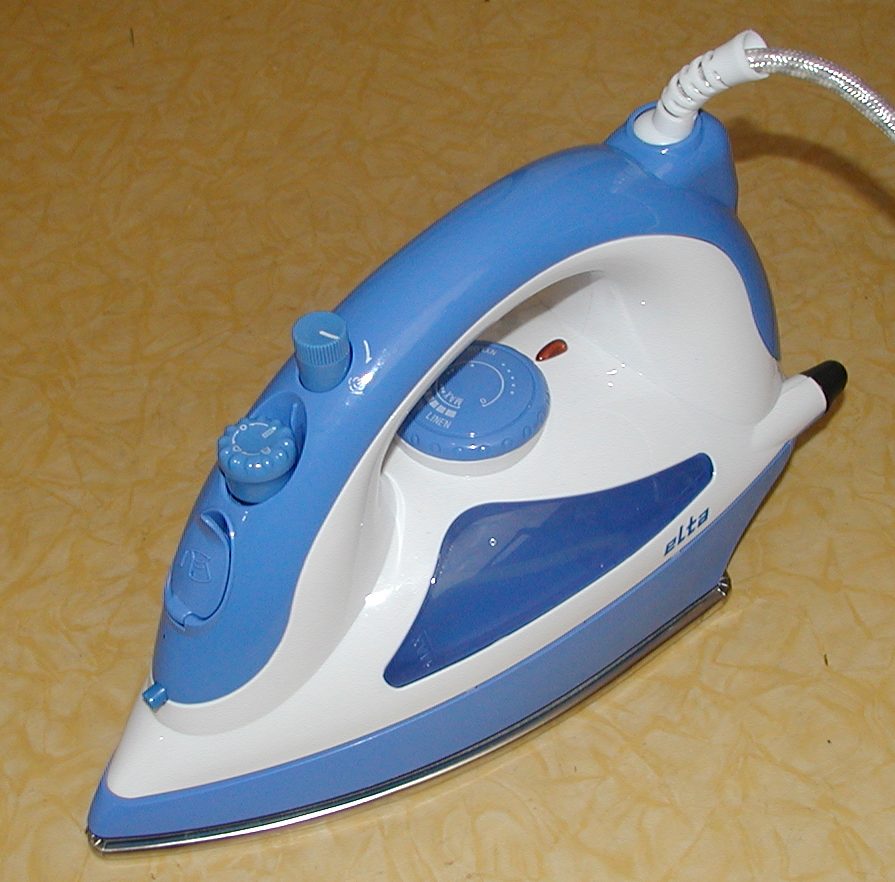


Tools and how they work
The primary tool is the clothes iron: a hand‑held appliance with a heated flat surface called a soleplate. Modern irons use electricity to heat an internal element and a thermostat to control temperature; some include a water reservoir to produce steam that penetrates fibres and aids smoothing. Soleplates are made from materials such as stainless steel, ceramic or non‑stick coatings to glide over fabric. Larger appliances include steam generators and dedicated pressing machines used in laundries and tailoring.
Types of irons and accessories
- Dry irons: simple, produce no steam and work well on starch‑treated or heavy fabrics.
- Steam irons: most common in households; combine heat and intermittent steam bursts.
- Steam generators: larger units with separate boiler for continuous strong steam, suited to heavy or large items.
- Pressing machines and hand presses: offer even pressure over a larger area and are used professionally.
- Accessories: ironing boards, pressing cloths, sleeve boards, and spray bottles to add moisture where needed.
Fabric care, settings and symbols
Fabrics respond differently to heat and moisture. Care labels typically show an iron symbol with one to three dots indicating the recommended temperature: one dot for low heat (synthetics, some silk), two for medium (wool, silk), and three for high (cotton, linen). When in doubt, iron on the reverse side, use a press cloth to protect delicate fibres, or choose a cooler setting. Some fabrics, such as certain synthetics and embellished garments, should not be ironed at all.
Techniques, tips and safety
For best results, ironing is often easiest when garments are slightly damp; a quick mist with water or using the iron's steam function helps. Work from collars and cuffs to larger areas, move the iron smoothly and avoid leaving it stationary to prevent scorching. Common safety practices include placing the iron on its heel when not in use, unplugging and allowing it to cool before storing, and keeping children and pets away from the hot surface. Use distilled water when recommended to reduce mineral buildup, and descale appliances according to manufacturer guidance.
History and notable facts
The practice of flattening clothes predates modern appliances; early devices were heated metal implements pressed by hand. Over time, designs evolved from solid heated irons to charcoal and gas models and, later, electrically heated irons in the 19th and early 20th centuries. The name "iron" reflects the early use of the iron metal in these tools; for historical background see iron (metal). Electricity became the widespread energy source for household irons in the modern era—learn more about electrical developments at electricity.
Alternatives and modern considerations
Garment steamers are a popular alternative, offering vertical steaming that is gentle on delicate fabrics and convenient for drapes and suits. In commercial contexts, pressing machines and dry cleaning provide professional finishing. Environmental and practical considerations include energy use, appliance longevity, and reducing risks of fabric damage by following care instructions and choosing the appropriate tool for each textile.
Questions and answers
Q: What is ironing?
A: Ironing is the process of removing creases from clothes after they have been washed and dried using a tool called an "iron."
Q: What is an iron?
A: An iron is a tool used to iron clothes that is heated and has a flat surface to remove wrinkles.
Q: Why is it called an iron?
A: It is called an iron because in past centuries it was made of iron, a type of metal.
Q: How is an iron heated?
A: In the past, an iron was heated by putting it on a fire. However, nowadays, electricity is used to warm the iron.
Q: Can water be used when ironing clothes?
A: Yes, the user can put water inside the iron, which becomes steam and is used to help remove wrinkles.
Q: Is it easier to iron clothes when they are damp?
A: Yes, usually clothes are easier to iron when they are still slightly damp. However, it depends on their material.
Q: How is ironing usually done?
A: Ironing is usually done on a padded ironing board. The clothes to be ironed are put on the board, and the iron is pushed carefully along the cloth to get all the wrinkles out.
Related articles
Author
AlegsaOnline.com Ironing: purpose, tools, techniques, history and fabric care Leandro Alegsa
URL: https://en.alegsaonline.com/art/48243