
Jeans: history, materials, styles, and cultural significance
A comprehensive overview of jeans: their denim construction, 19th‑century origins, evolution into global fashion, common styles and care, and their cultural and economic importance.
Overview
Jeans are trousers traditionally made from a strong cotton twill known as denim. Originally designed for durability, jeans have evolved into one of the most widely worn garments worldwide. While they began as workwear, jeans now appear in a wide range of styles, colors, and price points, and they are embraced across ages and cultures as everyday and fashion clothing. The basic material is plain cotton or cotton blends, with indigo and other dyes applied for color and treatment.
Image gallery
10 Images




Materials and construction
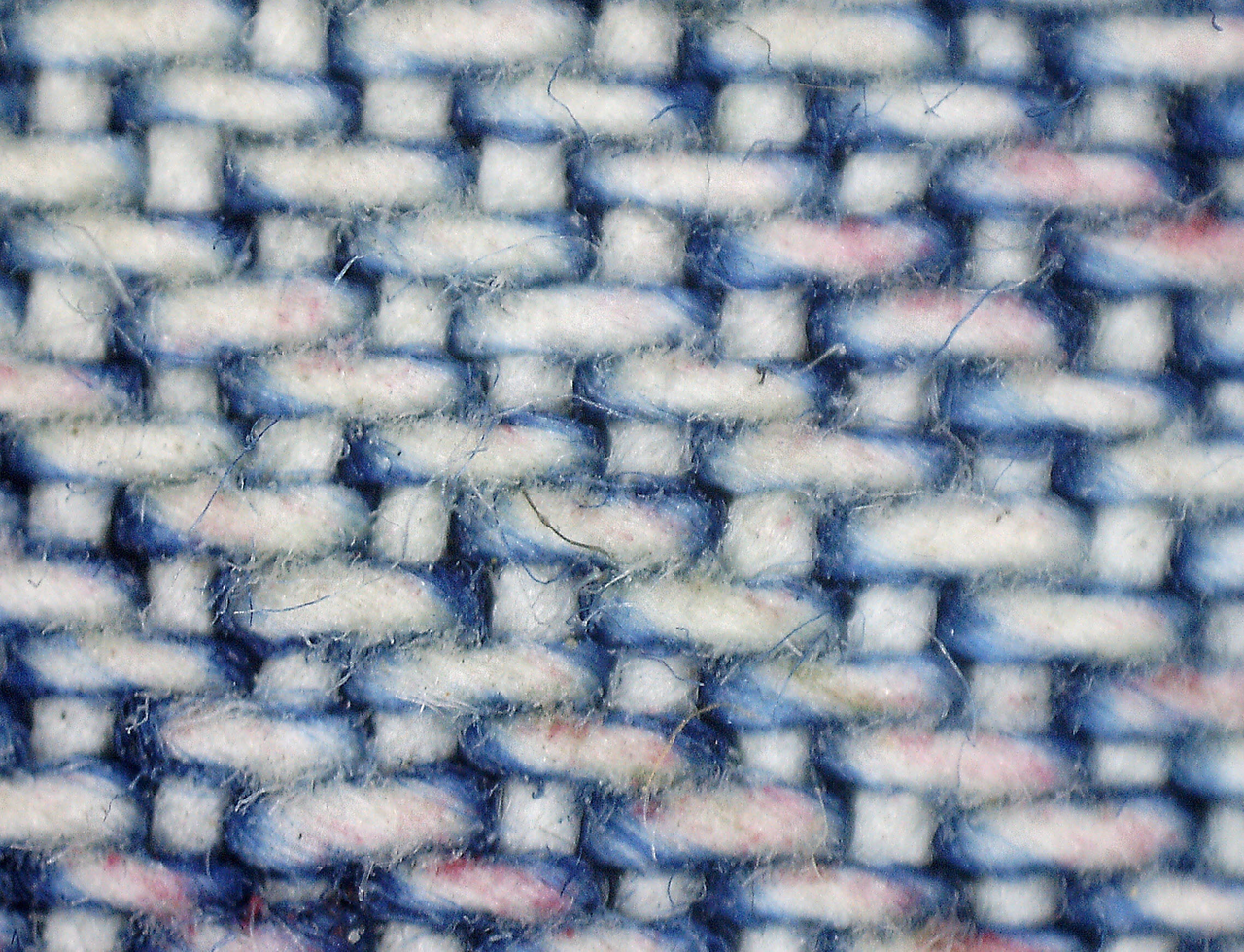
Classic jeans are woven from a twill in which the weft passes under two or more warps, producing the diagonal ribbing typical of denim. Construction features that contribute to durability include rivets at stress points, reinforced stitching, and heavy-duty zippers or buttons. Common components are:
- Waistband and belt loops for fit and support.
- Pockets, often five in the classic style (two front, two back and a small coin pocket).
- Fly closed with a zipper or button tab.
- Rivets placed at pocket corners to prevent tearing.
Origins and early history
Durable cotton trousers with reinforcements emerged in the United States in the late 19th century. Credit for the early popularization of riveted work trousers often goes to tailor and merchant Levi Strauss, who, with a collaborating tailor, secured a utility patent for reinforced trousers in the 1870s (patented 1873). Jeans became standard issue for miners, ranchers and laborers because they withstood heavy wear better than other fabrics.
20th‑century evolution and cultural impact
In the mid‑20th century jeans moved from purely practical clothing into youth and popular culture. By the 1950s teenagers adopted jeans as a symbol of rebellion and leisure, linked to genres and subcultures such as rockabilly. Designers and retailers expanded fits and finishes—straight, tapered, bootcut, skinny, distressed and more—turning jeans into a staple of casual fashion worldwide. The spread of jeans is often cited as an example of American cultural influence, with adoption across diverse countries and social groups (United States origins).
Names and regional notes
The term "jeans" is linked to the long trade history between textile centers in Italy and European merchants. The English and French names reflect the Italian port city of Genoa, known in French as Gênes, where sturdy cotton fabrics were once produced and exported. Over time the word came to denote the specific denim trousers rather than the fabric alone.
Styles, uses and care
Jeans are produced for many purposes: heavy work models, casual everyday wear, designer fashion, and performance versions with stretch or weatherproof coatings. Common styles include low, mid and high rise; straight, tapered and flared legs; and finishes such as raw, sanforized, stone‑washed or pre‑distressed. To maintain denim, manufacturers and wearers recommend gentle washing, cold water, and limited heat drying to preserve color and fabric strength. Sustainable and recycled denim practices are increasingly important in the apparel industry as producers reduce water and chemical use (fashion trends).
Notable facts and distinctions
Jeans remain a rare garment that crosses social and economic boundaries, from practical workwear to luxury runway pieces. They illustrate how a utilitarian design can be adapted and reinterpreted across eras. For further reading on the technical, social, and historical aspects of jeans, consult specialized resources and textile histories linked through trade and cultural studies (cotton, denim, United States, Levi Strauss, patents, fashion, rockabilly, Gênes, Genoa).
Questions and answers
Q: What are jeans made of?
A: Jeans are made from heavy, strong cotton material called denim.
Q: Who invented jeans and when?
A: Levi Strauss invented jeans in the United States in 1872.
Q: Who originally wore jeans?
A: Jeans were originally worn by workers in the late 1800s.
Q: What do jeans represent in terms of American cultural influence?
A: Jeans are one of the most obvious symbols of American cultural influence in the world.
Q: When did jeans become a popular fashion for teenagers and young adults?
A: Jeans became a popular fashion for teenagers and young adults in the 1950s.
Q: How are jeans usually worn?
A: Jeans are usually worn as casual fashion clothing.
Q: What is the origin of the word "jeans"?
A: The word "jeans" came from the French name of the city in Italy where a strong cotton fabric was made. The Italian city's name, Genoa, was spelled "jene" in Middle English and "Gênes" in the French language.
Related articles
Author
AlegsaOnline.com Jeans: history, materials, styles, and cultural significance Leandro Alegsa
URL: https://en.alegsaonline.com/art/49790
Sources
- bartleby.com : Bartleby.com