
Head Wraps: Cultural Meaning, Styles, and Regional Variations in Africa and the Diaspora
Discover African head wraps—their history, regional names (dhuku, doek, tignon), tying styles, practical uses and cultural symbolism across Africa and the diaspora.
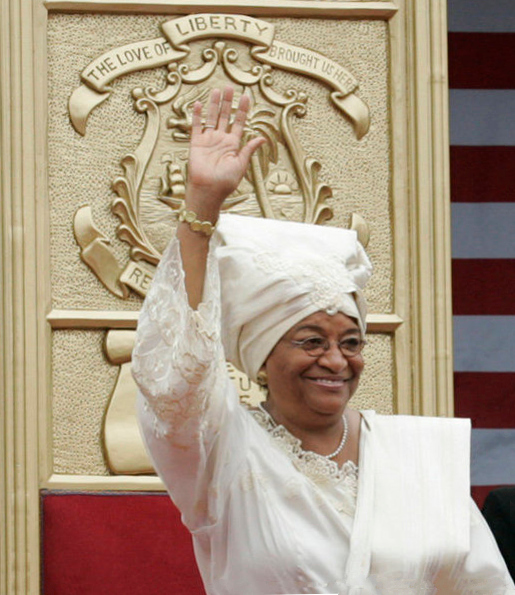
A head tie is a piece of cloth worn wrapped or tied around the head, commonly used by women of African origin and their descendants. In many communities it functions as a head scarf, serving both practical and cultural roles. Head ties can protect hair during work, signal social or marital status, or express personal and communal identity; they appear across the African continent and throughout the African diaspora, including among African and Afro-descendant populations worldwide.
Historically in the Americas, coverings of this kind also acquired legal and social meanings. Under Spanish colonial rule in late 18th-century Louisiana, authorities required free women of color to conceal their hair with a specific style of wrap—known in the region as the tignon—to mark them apart from white women and to regulate appearances. Rather than simply accepting the restriction, many women made the prescribed wraps into striking and decorative statements, transforming the mandated covering into an element of fashion and cultural expression.
Image gallery
4 Images


Regional names and forms
- The North American colonial form is often called the tignon in the United States.
- In southern Africa, related styles have local names such as the dhuku in Zimbabwe.
- In Botswana, a similar cloth wrap is known as the tukwi.
- In South Africa and Namibia the term doek (or doek-style headwrap) is commonly used.
During the 20th century, and especially from the 1960s onward, head ties experienced renewed interest as part of broader movements celebrating Black identity and heritage. Today they remain a versatile element of dress: used for protection, modesty, ceremony, work, and fashion. Materials, tying techniques, and symbolic meanings vary widely by region, community, occasion, and individual preference.
Related articles
Author
AlegsaOnline.com Head Wraps: Cultural Meaning, Styles, and Regional Variations in Africa and the Diaspora Leandro Alegsa
URL: https://en.alegsaonline.com/art/43029