
Head scarf: uses, styles, history and cultural meanings
A head scarf is a cloth worn to cover the head and often hair. This article explains forms, materials, cultural and religious uses, practical functions, tying methods, and distinctions from veils and turbans.
Overview: A head scarf is a piece of fabric worn to cover the top of the head and frequently part or all of the hair. People wear head scarves for many reasons: warmth, protection from sun or dust, hygiene, modesty, religious observance, social identity, or as a fashion accessory. The term can cover a wide range of shapes and styles, from small decorative bandanas to large rectangular or square wraps.
Image gallery
10 Images
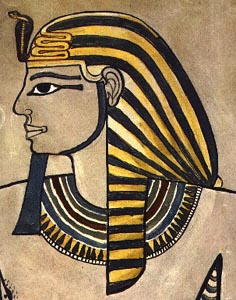


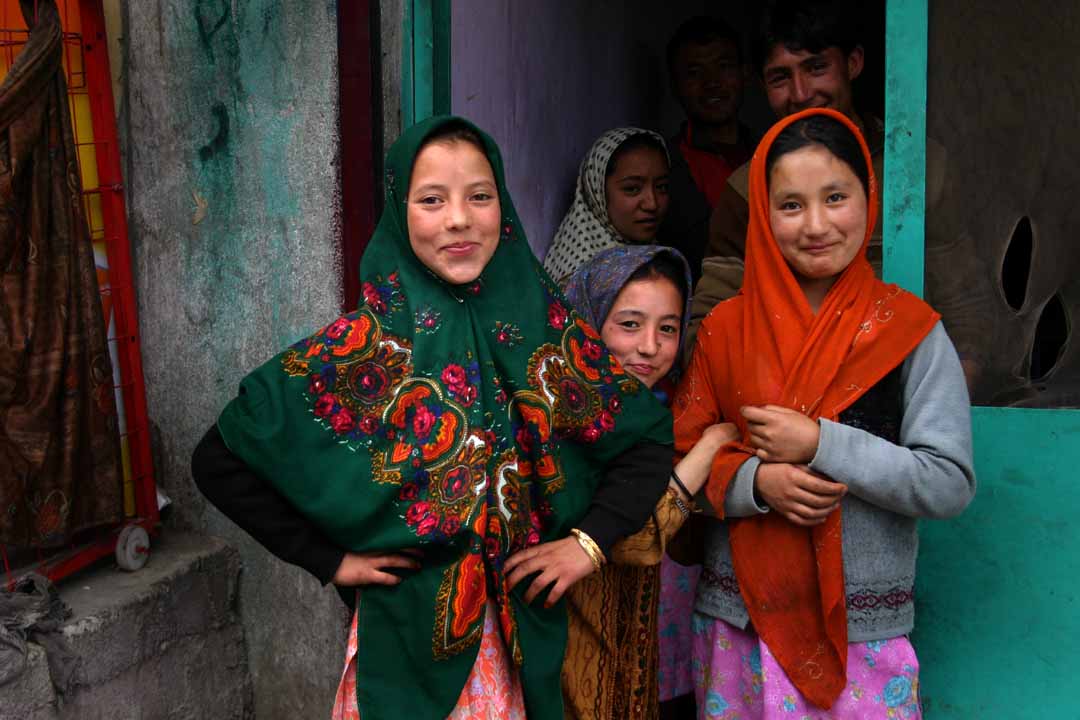
Characteristics and common forms
Head scarves are made from materials such as cotton, silk, wool, polyester, and blends. Typical shapes include squares, rectangles and triangles; a square folded on the diagonal becomes a triangle and is often tied under the chin. Rectangular scarves can be wrapped and knotted at the back or side. Fastening methods vary: simple knots, tucks, pins, or modern clips and magnets. Colors and patterns can signal fashion preferences, cultural background, or personal taste.
History and development
Covering the head is an ancient human practice with archaeological and textual evidence across continents. Over time head coverings have evolved in form and meaning. In many societies the head scarf was once a commonplace practical item; later it acquired layered symbolism related to class, marital status, religious norms, or regional identity. In the 20th and 21st centuries head scarves have also been adopted and adapted by fashion designers and popular culture, sometimes reinterpreted as retro or high-fashion accessories.
Cultural, religious and social uses
Head scarves play roles in religious and cultural life. In various traditions women wear head coverings as a sign of modesty or observance; examples include the Islamic practice commonly called the hijab, Christian practices of veiling in some communities, and Jewish head coverings such as the tichel. Exact meanings and expectations differ by community, geography and individual belief. For more on definitions see definitions and terminology.
Practical and modern uses
Beyond ritual and symbolism, scarves serve many practical functions: protecting the scalp and hair from sun, wind, dust or cold; keeping hair contained for sanitation in workplaces; covering hair loss during medical treatment; and completing a fashion look. Modern variations include performance fabrics that wick moisture for athletes, printed silk scarves used as statement pieces, and lightweight covers favored in hot climates. For contemporary fashion perspectives see fashion sources.
Styles, examples and distinctions
- Bandana: a small square often folded and tied at the back or under the chin.
- Babushka style: a triangular fold tied beneath the chin; associated with Eastern European rural dress.
- Wraps and turbans: longer pieces wrapped around the head; a turban usually denotes a more structured, layered wrap while a head scarf is often simpler.
It is useful to distinguish a head scarf from a veil (which commonly covers the face) and from a turban (which is typically wound in a specific technique and associated with particular cultural traditions). Social and legal debates occasionally arise where head coverings intersect with workplace rules, educational policies, or public dress laws. For further context on social meanings and debates consult related discussions.
Notable facts: Head scarves continue to be a versatile accessory: they can be deeply traditional, strictly functional, or intentionally fashionable, and the same basic item can communicate very different things in different contexts.
Questions and answers
Q: What is a headscarf?
A: A headscarf is a scarf that covers most or all of the top of a woman's hair and head.
Q: What are the purposes of wearing headscarves?
A: Headscarves may be worn for warmth, sanitation, fashion or social distinction, religious significance, to hide rampant baldness, out of modesty, or other forms of social convention.
Q: Can headscarves be worn solely for fashion purposes?
A: Yes, headscarves can be worn solely for fashion purposes.
Q: Why would someone wear a headscarf for religious significance?
A: Someone may wear a headscarf for religious significance as it may be required by their religious beliefs and practices.
Q: Is wearing a headscarf considered a social convention?
A: Yes, wearing a headscarf can be considered a social convention in certain cultures and societies.
Q: Are headscarves only worn by women?
A: Headscarves are typically worn by women, but some men may also wear them for religious or cultural reasons.
Q: What part of the head does a headscarf cover?
A: A headscarf covers most or all of the top of a woman's hair and her head.
Related articles
Author
AlegsaOnline.com Head scarf: uses, styles, history and cultural meanings Leandro Alegsa
URL: https://en.alegsaonline.com/art/43027