
Heckler & Koch G11 — experimental German assault rifle with caseless ammunition
The G11 was an experimental German assault rifle by Heckler & Koch that used caseless 4.73 mm ammunition. Developed 1968–1990, it reached prototype testing but was never adopted for service.
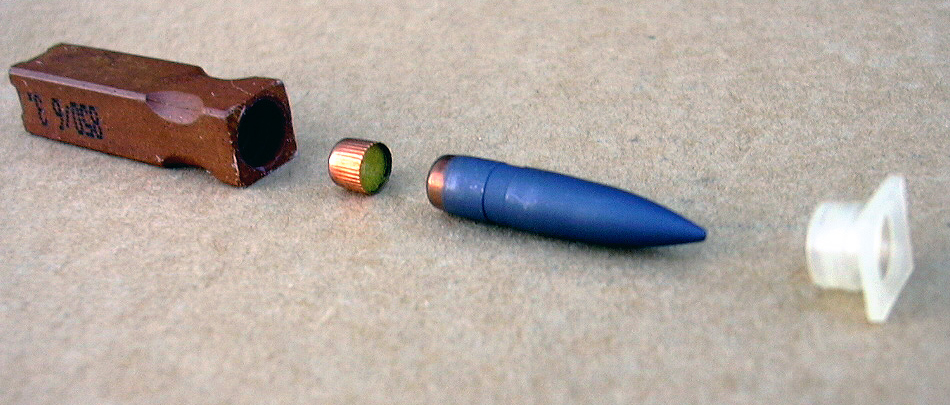
The Heckler & Koch G11 was an experimental infantry rifle developed in Germany between the late 1960s and 1990. Its most notable innovation was the use of caseless 4.73 mm ammunition, a design aimed at reducing weight, removing the need to eject spent cartridges, and enabling a compact, high-capacity feed system. The project was carried out by Heckler & Koch and attracted military interest during the Cold War before ultimately remaining at the prototype stage. Overview and references
Image gallery
10 Images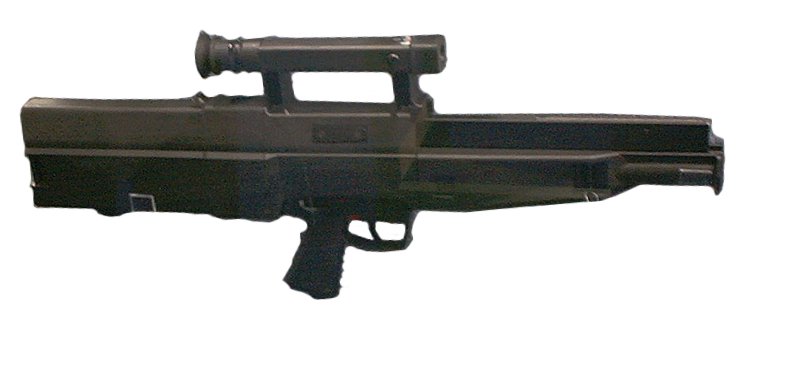


Design and key features
The G11 combined several unconventional features intended to improve soldier firepower and accuracy. It employed a multi‑round magazine that held dozens of caseless rounds and offered selectable firing modes including semi‑automatic, single‑shot and a three‑round burst. The burst mode was engineered to fire very rapidly so all rounds in the burst left the barrel before the shooter could substantially move off target, improving hit probability.
- Ammunition: caseless 4.73 mm cartridges to reduce mass and eliminate ejection.
- Feed system: high‑capacity rotary-style magazine holding many rounds.
- Fire control: multiple firing modes including a fast three‑round burst.
Development, testing and cancellation
Development spanned more than two decades and involved extensive engineering tests and prototype refinements. Both the German Bundeswehr and allied evaluation programs showed interest and conducted trials. The weapon reached advanced prototype stages and was demonstrated to potential users. Heckler & Koch continued development through the 1980s while armies assessed its practicality; the Bundeswehr participated in trials and evaluations. Bundeswehr tests
Despite technical promise, the program faced significant hurdles: manufacturing complexity, higher costs than conventional rifles, concerns about ammunition sensitivity to heat and sealing, and logistical implications of a new ammunition type. After the Cold War ended, budgetary pressures and changing procurement priorities contributed to the program's termination rather than full production. Post-Cold War cancellation
Legacy and significance
Although the G11 never entered service, it remains an important case study in small‑arms innovation. Its experiments with caseless ammunition, compact high‑capacity feeding systems and high‑rate burst modes influenced later research into lightweight cartridges and advanced fire‑control concepts. Several prototypes survive in museums and private collections and the project is frequently cited in discussions about tradeoffs between technical novelty and logistical practicality.
Related articles
Author
AlegsaOnline.com Heckler & Koch G11 — experimental German assault rifle with caseless ammunition Leandro Alegsa
URL: https://en.alegsaonline.com/art/43179
Sources
- hkpro.com : "HKPro, G11 (Caseless Military Rifle)"
- hkpro.com : "HKPro, LMG11 (caseless MG)"
- hkpro.com : "HKPro, G11 PDW (caseless handgun)" · web.archive.org