
Naval aviation
Naval aviation is the branch of a navy that operates aircraft at sea. It includes shipborne fixed-wing planes, helicopters, and unmanned systems used for reconnaissance, strike, anti-submarine warfare and support.
Overview
Naval aviation is the element of a nation's maritime forces that employs aircraft to support naval operations. Distinct from an independent air force, naval aviation is organized, trained and equipped specifically to operate from ships or in direct cooperation with a navy. Its aircraft may be fixed‑wing, rotary‑wing or unmanned, and are adapted for sea conditions, deck handling and the unique demands of maritime missions.
Image gallery
10 Images





Aircraft and equipment
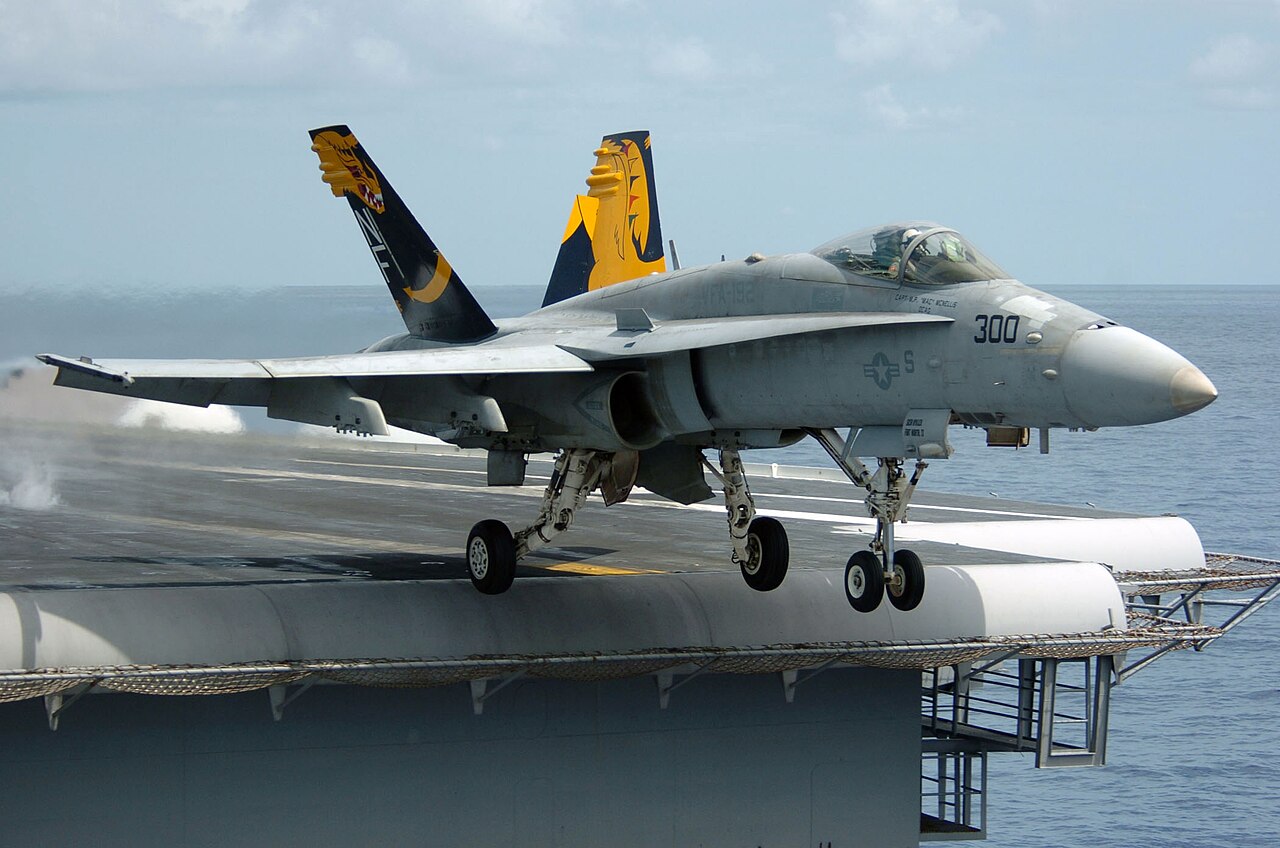
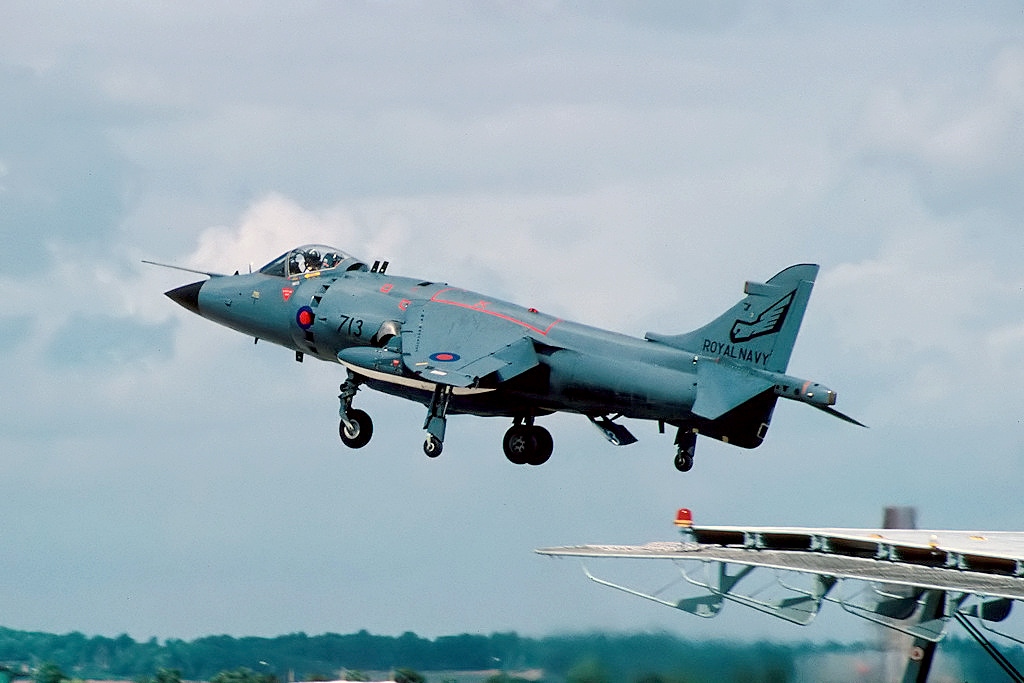
Typical platforms include carrier‑based fighters and strike aircraft, shipborne patrol planes, helicopters, tiltrotors and unmanned aerial vehicles. Many naval aircraft feature corrosion‑resistant materials, folding wings, tailhooks or reinforced landing gear. Ships supporting them can be aircraft carriers, amphibious assault ships, cruisers, destroyers or smaller vessels equipped with landing pads.
Common roles
- Maritime patrol and reconnaissance
- Anti‑submarine warfare (ASW)
- Anti‑surface warfare and strike missions
- Fleet air defence and early warning
- Search and rescue (SAR) and logistics support
- Electronic warfare and surveillance
History and development
Naval aviation emerged in the early 20th century with experiments in seaplanes and shipboard launches. It expanded rapidly between the world wars and came to strategic prominence during World War II, when carrier aviation determined many Pacific and Atlantic operations. Postwar advances introduced jet aircraft, angled flight decks, catapults, helicopters and sophisticated sensors. During the Cold War, naval air arms emphasized ASW and power projection; recent decades have seen the addition of unmanned systems and networked sensors.
Operations and techniques
Operating at sea requires specialized training and procedures: deck handling, arrested landings, catapult launches and close coordination within a carrier strike group. Naval aviators qualify for shipboard operations and must manage fuel, payload and safety constraints imposed by limited deck space and maritime weather.
Distinctions and importance
Naval aviation extends a navy's surveillance reach, protects sea lines of communication, and enables power projection far from land bases. It differs from land air forces in its emphasis on sea basing, ship compatibility and combined arms integration with surface and subsurface forces. Modern naval aviation remains a central element of maritime security, disaster response and deterrence.
Related articles
Author
AlegsaOnline.com Naval aviation Leandro Alegsa
URL: https://en.alegsaonline.com/art/68829