
Heated shot (hot shot): incendiary round shot for muzzle-loading cannon
Heated shot — solid cannonballs heated before firing to ignite wooden ships, buildings, or stores. A shore and fortress weapon that fell out of use with the rise of ironclads and breech-loading guns.
Overview
Heated shot, often called "hot shot," refers to solid round projectile balls that were heated in a furnace before being fired from a muzzle-loading cannon. The objective was not fragmentation but ignition: a red‑hot ball could start fires on combustible targets such as wooden warships, warehouses, shore installations, or other equipment. Preparing and firing hot shot required special facilities, procedures, and trained crews to prevent accidents.
Image gallery
10 Images


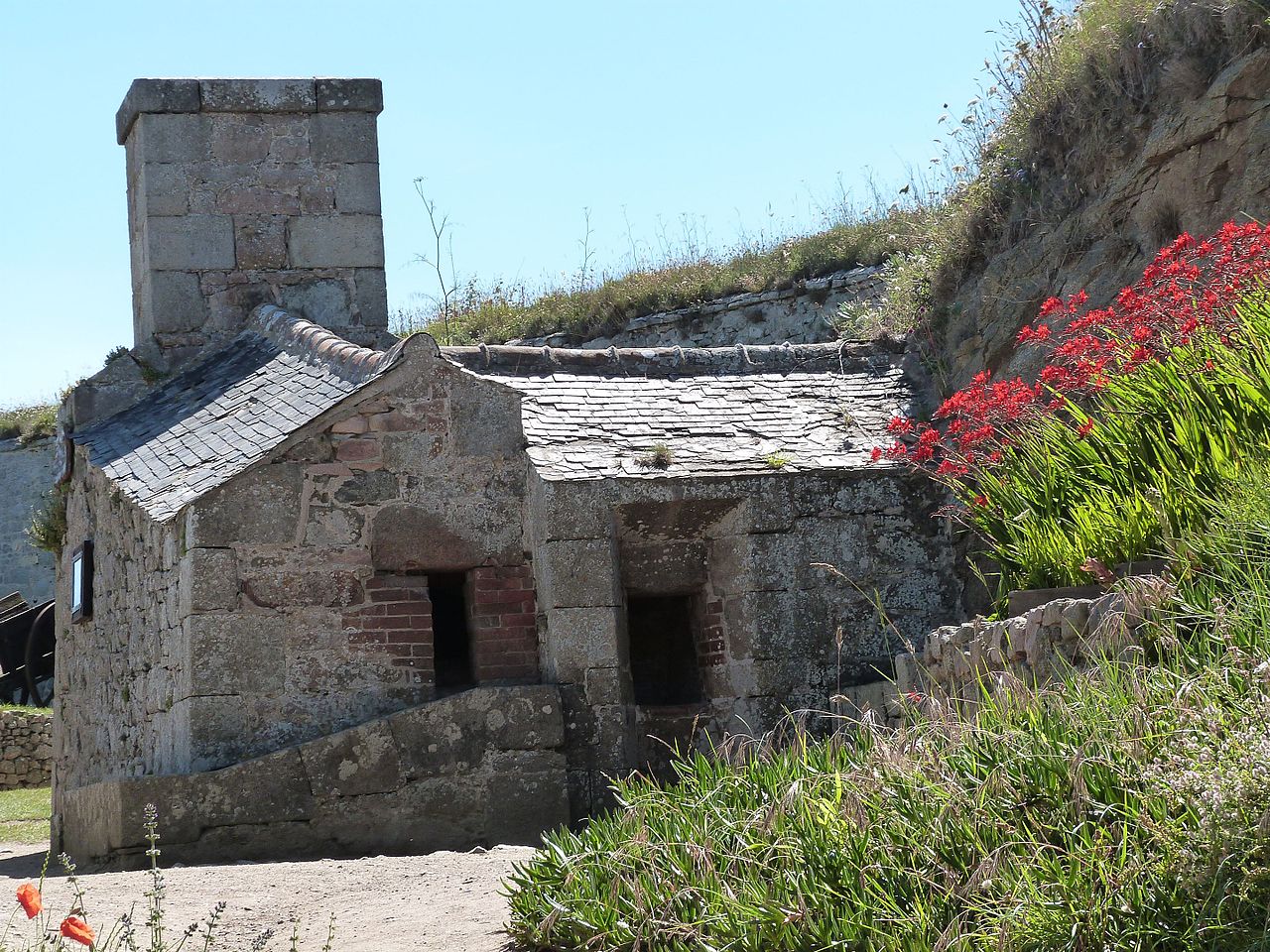


Characteristics and equipment
To make hot shot, a battery or fortification needed a dedicated shot furnace and handling implements. The process involved heating a cast‑iron ball until it glowed, carrying it carefully with tongs or an iron ladle, and loading it into a muzzle-loading gun with precautions to avoid setting the gunpowder charge alight prematurely. Because of those risks, navies and garrisons developed specific tools and methods to manage the transfer from furnace to bore.
How it worked and its effects
When fired, a sufficiently heated projectile could embed in timber and transfer enough heat to ignite tar, pitch, rope, or dry wood. The effect relied on both the retained heat of the ball and the velocity imparted by the cannon. Properly executed, hot shot was an effective incendiary against wooden hulls and exposed stores, but its efficacy depended on range, accuracy, and the combustibility of the target. Typical targets were enemy warships, shore buildings, and equipment intended to be destroyed by fire.
History, restrictions and decline
Use of heated shot dates back many centuries and was widespread wherever muzzle-loading smoothbore cannon were dominant. Because of the fire hazard aboard wooden ships, many navies forbade the use of hot shot on warships: for example, operating a shore furnace and moving red‑hot balls presented unacceptable danger under sail, and handling errors could set a ship ablaze. The Royal Navy and other services issued rules limiting or banning hot shot aboard vessels. Some exceptions existed; a notable example is the American frigate USS Constitution, which is recorded as having a shot furnace fitted in certain periods for coastal operations.
Uses, tactical role and decline
Hot shot was primarily assigned to forts, shore batteries and fixed defensive positions where a furnace could be safely installed and ammunition handled under controlled conditions. It was valued as a powerful weapon against wooden targets, especially when fire presented a decisive threat. The arrival of iron‑clad warships, the adoption of armored hulls and the shift to breech‑loading and explosive shells reduced the usefulness of heated solid shot. As metallurgy and naval architecture changed, targets were less vulnerable to ignition and the tactic largely disappeared from modern ordnance practice.
Practical considerations and safety
- Preparation required a dedicated heat source and specialized crew to manage heating and transfer without premature ignition.
- Firing from a muzzle-loading cannon involved tamping a dry wad or other barrier to separate the charge from the hot ball.
- Targets were chosen for their flammability: wooden ships, stores, and combustible military equipment were prime objectives to set fire and destroy.
Notable facts and distinctions
Although highly effective in the age of wooden fleets, hot shot became comparatively obsolete with the introduction of iron armor (iron) and new ammunition types. It remained a defining example of how simple thermodynamics and careful handling could convert a solid ball into an incendiary weapon, and it illustrates the intersection between technology, tactics and safety in pre‑modern artillery practice. Writers and historians often cite heated shot as one of the most feared countermeasures against conventional wooden shipping, a reputation supported by contemporary accounts of its destructive potential (powerful weapon).
For summaries and technical descriptions of period practice, see armament manuals and fortification accounts, or consult museum descriptions and reconstructions at heritage sites and naval museums for practical demonstrations of handling and safety.
Further reading and source material may be found through curated reference collections and specialist works on artillery history: heating techniques, muzzle-loading ordnance, and recorded examples from coastal batteries and vessels provide detailed operational context.
Additional resources and archival material are available through specialized military history repositories and museum archives: fire control and incendiary technique, naval target records, and studies of transitional naval technologies such as the move from wood to iron.
Questions and answers
Q: What is heated shot?
A: Heated shot is the heating of round shot before firing from muzzle-loading cannons.
Q: Why is heated shot used?
A: The purpose of heated shot is for setting fire to enemy warships, buildings, or equipment.
Q: How far back does the use of heated shot date?
A: The use of hot shot dates back centuries.
Q: When was the use of heated shot stopped?
A: The use of heated shot was stopped when vessels armored with iron replaced wooden warships in the world's navies.
Q: Was heated shot mainly used on ships or on shore batteries and forts?
A: Heated shot was mainly used on shore batteries and forts, due to the need for a special furnace to heat the shot.
Q: Was the use of heated shot from a ship dangerous?
A: Yes, the use of heated shot from a ship was so dangerous that it was against Royal Navy regulations.
Q: Which ship had a shot furnace installed for hot shot to be fired?
A: The American ship USS Constitution had a shot furnace installed for hot shot to be fired.
Related articles
Author
AlegsaOnline.com Heated shot (hot shot): incendiary round shot for muzzle-loading cannon Leandro Alegsa
URL: https://en.alegsaonline.com/art/43109