
Antarctic Treaty System
International framework of agreements that preserves Antarctica for peaceful uses, scientific research, and environmental protection while setting aside territorial disputes.
The Antarctic Treaty System (ATS) is the collection of international agreements that governs human activity on and around the continent of Antarctica. Created to keep the region dedicated to peace and science, the ATS places limits on military activity, nuclear testing and resource exploitation while encouraging international cooperation in research. The foundational treaty was negotiated during the International Geophysical Year and entered into force in 1961; the system has since grown to include a number of related conventions and measures.
Image gallery
6 Images


Core principles and main instruments
The ATS is built around several key instruments and shared rules. The original Antarctic Treaty establishes the continent as a zone for peaceful purposes and scientific exchange. Complementary agreements include conservation and environmental protection measures, a marine living resources convention, and a later environmental protocol that strengthens safeguards against pollution and resource exploitation. Together these texts set standards for inspection, station operations, waste management, and the conduct of visitors.
How the system works
Decision-making under the ATS is collective: parties meet regularly at consultative meetings where states that demonstrate substantial scientific activity may have a greater role in shaping policy. The agreement provides for inspection rights so any party can visit others' stations and activities to verify compliance. Enforcement is primarily diplomatic and cooperative rather than punitive; disputes are managed through consultation and established diplomatic channels.
History and development
Negotiated at the end of the 1950s, the treaty reflected a desire among states active in polar science to avoid conflict over overlapping claims and to preserve research opportunities. Over subsequent decades the basic treaty was supplemented by measures addressing seals, marine living resources and comprehensive environmental protection. The modern system remains the product of incremental negotiation and multilateral diplomacy.
Uses, examples and significance
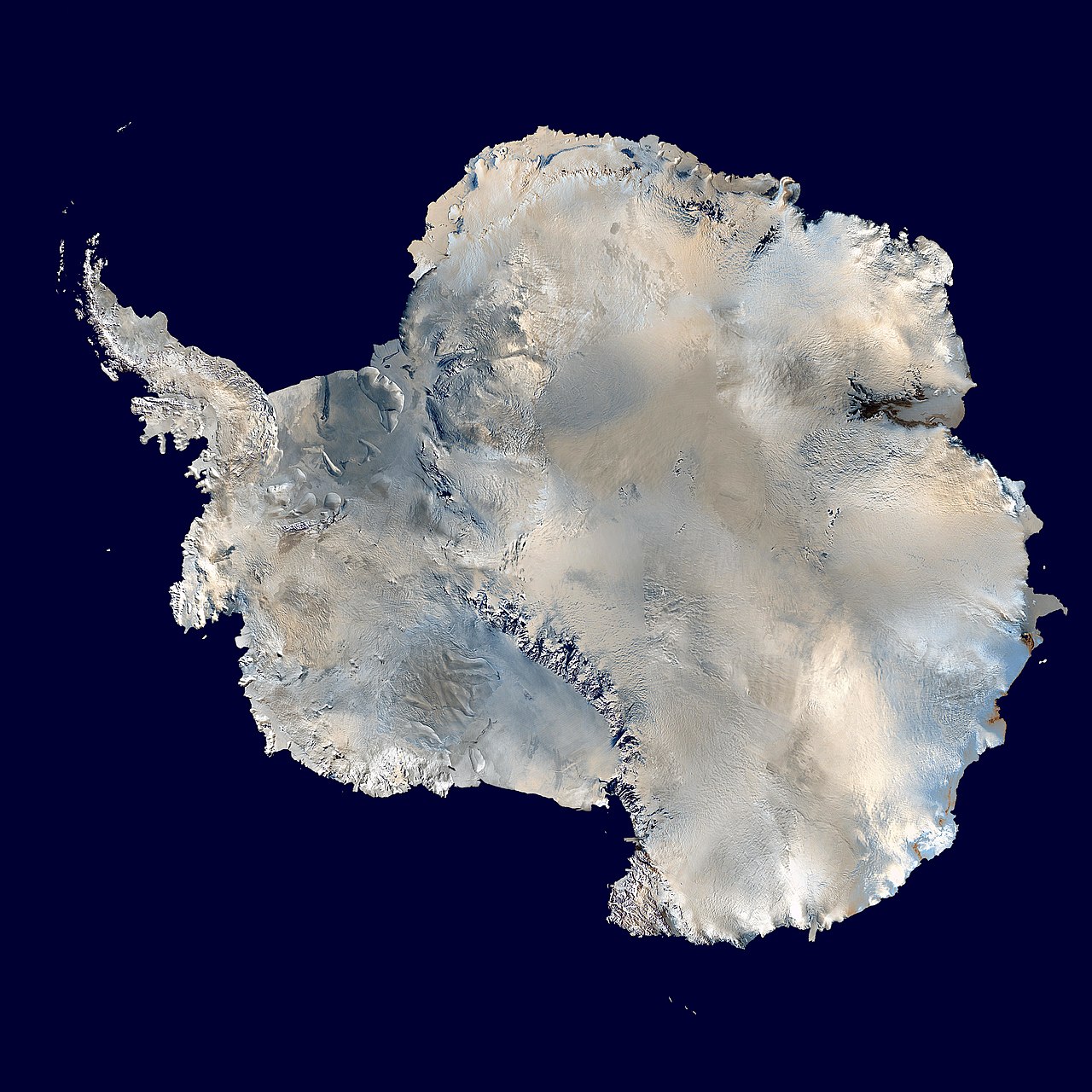
Under the ATS Antarctica hosts a seasonal and year-round international research presence, with research stations operated by many countries. The regime has facilitated large-scale scientific collaboration in fields such as glaciology, climate science and astronomy. It has also regulated growing activities like tourism to reduce environmental impact. For primary texts and general information see the treaty documents and background material: treaty text and instruments and general information about the continent at Antarctic overview.
Notable features and limits
- Peaceful purposes: Military operations are prohibited except for support of science and logistics.
- Science and cooperation: Research results are exchanged openly and stations are open to inspection.
- Sovereignty: Existing territorial claims are not resolved by the treaty; they are effectively held in abeyance to avoid conflict.
- Environmental protection: Modern additions prioritize conservation and restrict commercial exploitation of mineral resources for a defined period.
The Antarctic Treaty System is frequently cited as a unique example of cooperative governance of a whole continent and continues to adapt as scientific priorities and human activities evolve. It remains an important model for managing areas beyond national jurisdiction and balancing protection with legitimate scientific and logistical needs.
Related articles
Author
AlegsaOnline.com Antarctic Treaty System Leandro Alegsa
URL: https://en.alegsaonline.com/art/4546
Sources
- ats.aq : "ATS - The Antarctic Treaty"
- commons.wikimedia.org : Commons