
Anti-social behaviour order (ASBO) — UK measure to restrict disruptive conduct
ASBOs were civil orders used in the UK to prohibit conduct that caused alarm or distress. Introduced in 1998, breach carried criminal penalties. They were replaced by new injunctions and orders under the 2014 Act in 2015.
An anti-social behaviour order (commonly abbreviated to ASBO) was a civil court order used in the United Kingdom to prevent individuals from carrying out behaviour judged to cause alarm, distress or nuisance to the public. ASBOs aimed to protect victims and communities by placing tailored prohibitions on specified actions, in particular places or at particular times. Although the order itself was civil in form, breaking its terms could lead to criminal prosecution and a custodial sentence in some cases.
Image gallery
2 Images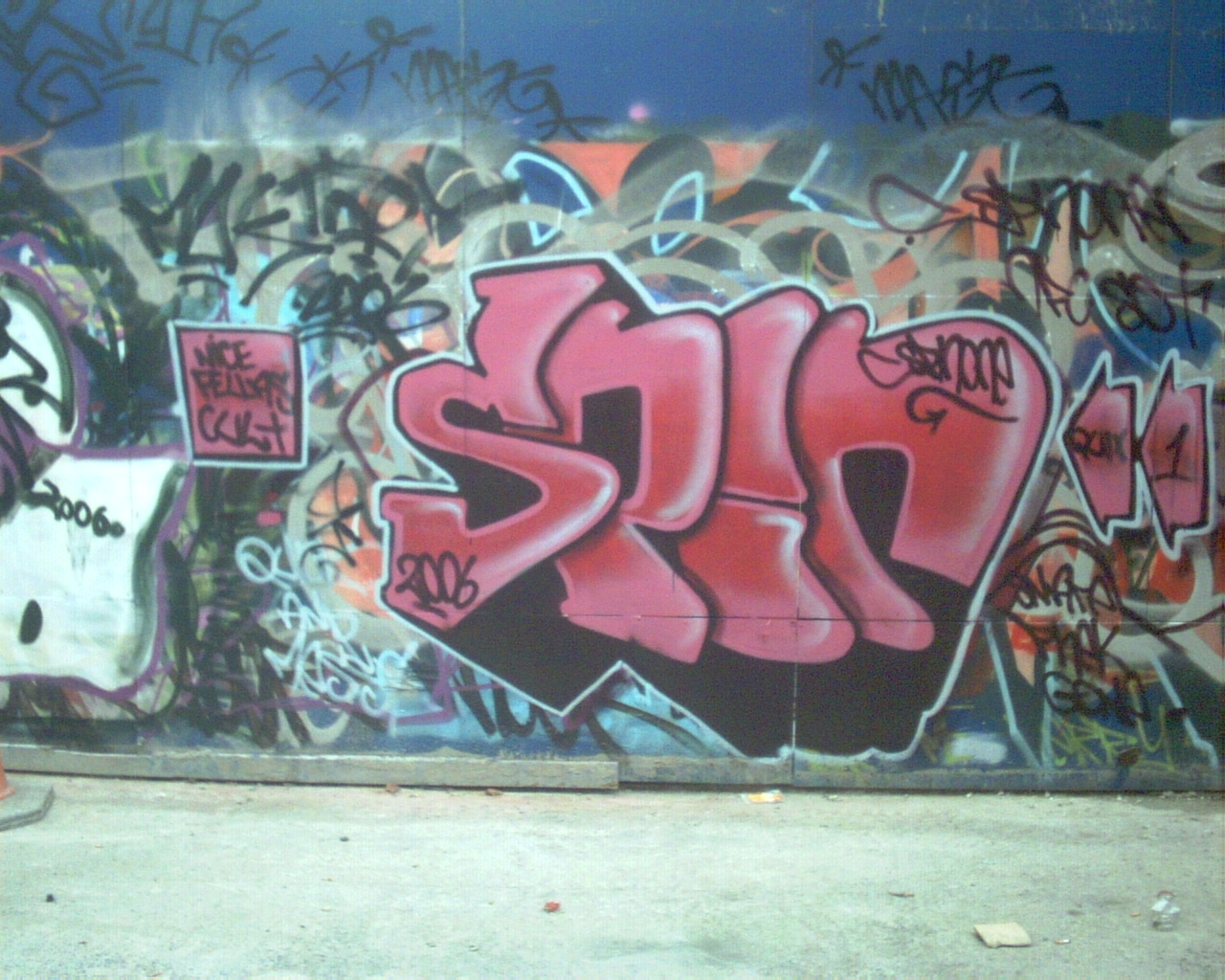

Legal nature and purpose
ASBOs were introduced by legislation in the late 1990s as part of a wider response to public concern about persistent disorderly conduct. The order identified a pattern of behaviour and then set out clear prohibitions designed to stop that behaviour. Typical features included a description of the conduct to be stopped, any geographic limits, time restrictions, and the period for which the order applied. Local authorities, the police, social landlords and other agencies could apply for an ASBO in the appropriate court.
Examples of targeted anti-social behaviour
Anti-social behaviour covers a wide range of actions that fall short of serious crime but still affect other people’s quality of life. Common categories include:
- Hurting people — physical assaults or violence towards others.
- Damaging property — vandalism or deliberate destruction of belongings.
- Graffiti — unauthorised painting or marking of public or private surfaces.
- Using abusive language — persistent swearing or verbal abuse in public.
- Hate-related abuse — offensive conduct directed at people because of protected characteristics.
- Loitering or groups congregating — gatherings that repeatedly lead to complaints.
- Public drunkenness — behaviour while intoxicated that disturbs others.
- Drug dealing — supply or visible dealing that undermines community safety.
- Excessive noise — loud music, shouting or other persistent noise.
- Threats and intimidation — behaviour intended to frighten or coerce people.
- Arson or deliberate fires — starting fires that endanger people or property.
- Spitting — repeated spitting at or near others.
- Indecent exposure or streaking — behaviour that causes alarm or offence in public places.
How ASBOs were applied and enforced
Applications for ASBOs were made to the civil court by agencies such as the police or local authority. The court assessed evidence that the person had engaged in anti-social behaviour and whether an order was necessary to protect others. If granted, the order specified what the person must not do; contravening the order could then be pursued as a criminal offence. Because of this mix of civil procedure and criminal sanction, ASBOs occupied a particular legal niche focused on prevention and protection rather than punishment alone.
History, reform and replacement
ASBOs attracted considerable public and media attention during their use, both for successful interventions and for controversial or unusual terms in some orders. Concerns were raised about stigma, proportionality and the effectiveness of criminalising repeated low-level behaviour. In response to these and other policy developments, the Anti-social Behaviour, Crime and Policing Act 2014 reformed the framework for addressing anti-social behaviour. From 2015 onward, ASBOs were largely replaced by a set of powers including civil injunctions, Criminal Behaviour Orders (CBOs) and other tools intended to simplify and improve responses to persistent disorder.
Alternatives and early intervention
Before a court order is sought, agencies often use informal or voluntary measures. One common instrument is the Acceptable Behaviour Contract (ABC), a non‑statutory written agreement between an individual and local agencies that sets out expected conduct and possible consequences if problems continue. ABCs are designed as early interventions to engage people in changing their behaviour without immediate recourse to the courts.
ASBOs remain a notable chapter in the UK’s approach to community safety: they show the challenges of balancing protection for victims with safeguards for individuals, and they prompted ongoing changes to how anti‑social behaviour is defined and managed in practice.
Questions and answers
Q: What is an ASBO?
A: An ASBO, or Antisocial Behaviour Order, is a British legal term for an order that is sometimes served on people who often behave badly and have many complaints made against them because of their behaviour. The order is designed to stop them from being anti-social, which means causing distress or alarm (among other things) to other people that do not live in the same place as themselves.
Q: When were ASBO's replaced?
A: ASBO's were ended and replaced with "Injunctions" in 2015.
Q: What are some examples of anti-social behaviour?
A: Some examples of anti-social behaviour include hurting people, damaging things/graffiti, using bad words (sometimes directed at minorities), dropping rubbish, hanging around, being very drunk, dealing drugs, stealing, being noisy, scaring and threatening people (attempting to produce fear), starting fires, spitting, streaking going places where you're not allowed to go.
Q: How does an ASBO work?
A: An ASBO prohibits people from doing certain things in certain times and in certain places. For instance it might ban a person from gathering with certain friends in the park after 8 o'clock if that group of people have previously caused trouble together.
Q: What is an ABC?
A: An ABC stands for an Acceptable Behaviour Contract and are often used to make sure people try to be "nice". It is flexible and can be used in serious situations as well as low key ones.
Q: In what ways can an ASBO seem unusual when it is used?
A: An ASBO can seem quite unusual when it is used to stop certain people from doing things; for example prohibiting someone from gathering with particular friends after 8 o'clock if they have previously caused trouble together.
Tags
Related articles
Author
AlegsaOnline.com Anti-social behaviour order (ASBO) — UK measure to restrict disruptive conduct Leandro Alegsa
URL: https://en.alegsaonline.com/art/4619
Sources
- gov.uk : "Crime prevention - GOV.UK" · web.archive.org
- publications.parliament.uk : Home Affairs - Written Evidence: 19. Memorandum submitted by Napo
- news.bbc.co.uk : "Boy, 14, banned from saying grass"