
Harry Reasoner — American television journalist and 60 Minutes founding correspondent
Comprehensive profile of Harry Reasoner (1923–1991), American broadcast journalist, noted for his polished commentary, role in creating 60 Minutes, work at ABC and CBS, awards, and lasting influence on TV news.
Harry Truman Reasoner (April 17, 1923 – August 6, 1991) was an American broadcast journalist best known for his clear, economical prose, wry delivery and steady presence on network television. He worked for major American networks, including ABC and CBS, and was widely credited as one of the journalists who helped establish the television news magazine format represented by 60 Minutes. Colleagues and viewers praised his command of language, ability to shape a tight narrative and the restraint he brought to commentary and anchoring roles.
Image gallery
5 Images


Early life and education
Reasoner was born in Dakota City, Iowa, and grew up in Minneapolis, Minnesota. He attended Stanford University and later studied at the University of Minnesota. His early adulthood included military service during World War II, an experience that interrupted his studies and influenced his sense of public duty and perspective on national affairs. These formative years helped shape the concise, unadorned style he later brought to broadcast copy.
Career and professional development
Reasoner began in print and radio before moving into television, where he served as correspondent, anchor and commentator. As a television commentator he was noted for delivering observations with a controlled cadence and literary sensibility. At both ABC and CBS he reported on domestic politics, international events and cultural stories, combining reporting with on-air analysis. He became a visible presence in American homes at a time when television news was expanding from headline broadcasts to more reported, narrative forms.
60 Minutes and the news magazine format
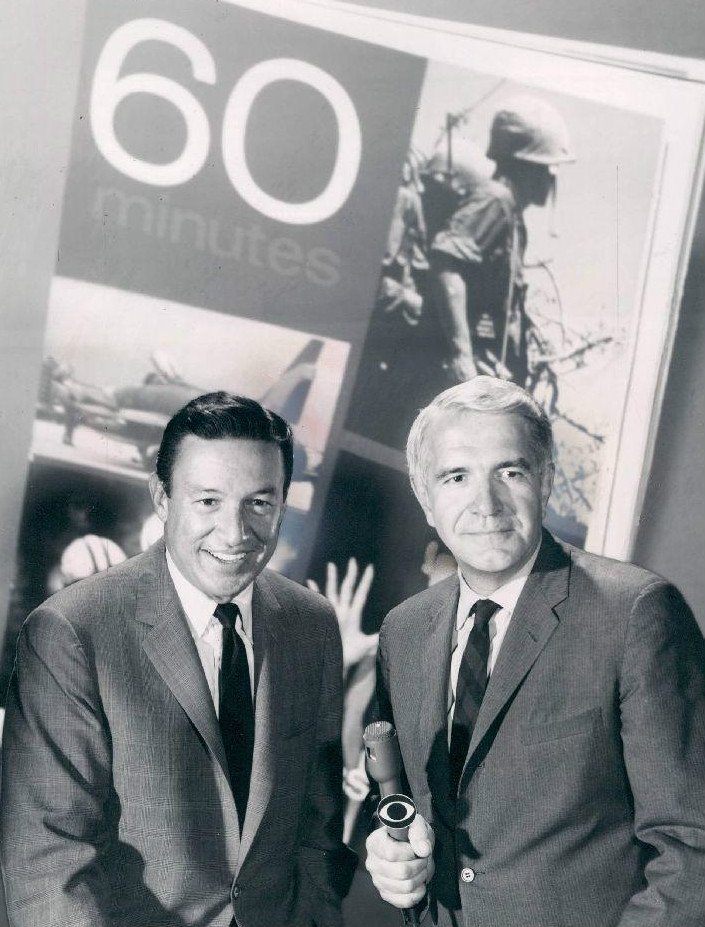
Reasoner is frequently identified as a founding correspondent of the news magazine 60 Minutes, a program that emphasized investigative pieces, extended interviews and tightly produced segments. The format allowed correspondents to develop fuller stories than typical newscasts permitted, and Reasoner’s strengths in storytelling and economy of language fit the program’s ambitions. His reporting on the show and on other assignments demonstrated how television could combine investigation, context and the kind of measured commentary that respected the viewer’s intelligence.
Awards and recognition
Over his career Reasoner received multiple industry honors, including three Emmy Awards and a George Foster Peabody Award in 1967. These awards reflected both individual segments and the broader contribution he made to network journalism. Critics and peers often cited his craft as an example of broadcast writing that paid attention to phrasing, rhythm and the effective use of a narrator’s voice.
Personal life and later years
In 1946 Reasoner married Kathleen Carroll; the couple had children and later divorced in 1981. He remarried in 1988 to Lois Harriett Weber. Over the course of his life he fathered seven children. In August 1991 he suffered a fall at his home in Westport, Connecticut, and died on August 6, 1991 from a blood clot in the brain, a complication reported as following the fall. His death marked the end of a career that had spanned the transition of broadcast news into a central medium of American public life.
Style, influence and legacy
Reasoner’s reputation rests on an approach that favored clarity, narrative economy and a tempered wit. He is remembered for bringing literary attention to broadcast copy and for helping to expand the kinds of stories television journalism could tell. Students of journalism and working reporters have often pointed to his scripts and on-air work as examples of how to balance factual reporting with thoughtful, restrained commentary. Institutional archives and network histories preserve much of his recorded work, which continues to be consulted by those studying the evolution of American television news.
For readers seeking additional context, network histories and archival collections hold interviews, program transcripts and material on the development of news-magazine television. These resources illuminate Reasoner’s role at ABC, CBS and the program 60 Minutes, and provide primary documentation of the awards and broadcasts that shaped his public reputation.
Related articles
Author
AlegsaOnline.com Harry Reasoner — American television journalist and 60 Minutes founding correspondent Leandro Alegsa
URL: https://en.alegsaonline.com/art/42642
Sources
- people.com : "Good Night, Harry"