
Harry Wu — Chinese-born American human-rights activist and laogai chronicler
Harry Wu (1937–2016) was a Chinese-born American human-rights activist who spent 19 years in Chinese labor camps and founded the Laogai Research Foundation and a museum documenting forced-labor abuses.
Overview
Harry Wu (Chinese name 吴弘达) was a Chinese-born China-born activist who became a prominent critic of the system of political prisons and forced labor in the People’s Republic of China. After emigrating to the United States he became a U.S. resident and citizen and spent much of his public life working on behalf of victims and survivors of political imprisonment and forced labor. He is widely known for documenting the laogai — a term used to describe prison farms and labor camps — and for promoting public understanding of those institutions through research, testimony and exhibitions.
Image gallery
2 Images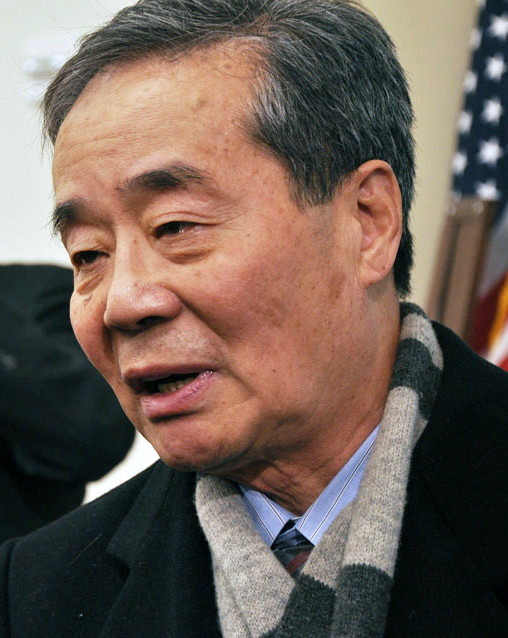
Early life and imprisonment
Wu was born in Shanghai in 1937. During the political campaigns and upheavals of mid-20th century China he was arrested and held in the country’s labor-camp system. Over the course of his incarceration he spent approximately nineteen years in various laogai facilities. Those years as a detainee shaped his later mission to collect evidence, record survivor testimony and raise public awareness of the conditions and practices inside the camps.
Emigration and public advocacy
After his release and eventual departure from China, Wu settled in the United States where he devoted himself to exposing abuses associated with the laogai. He gave lectures, provided interviews, testified before legislative bodies, and assisted journalists and researchers. In 1990 he was invited to testify before the U.S. Senate by Senators Alan Cranston and Jesse Helms, an indication of the bipartisan attention his testimony attracted. Through public appearances and written work he argued that forced labor and political imprisonment in China represented systematic human-rights violations requiring international scrutiny.
Laogai Research Foundation and museum
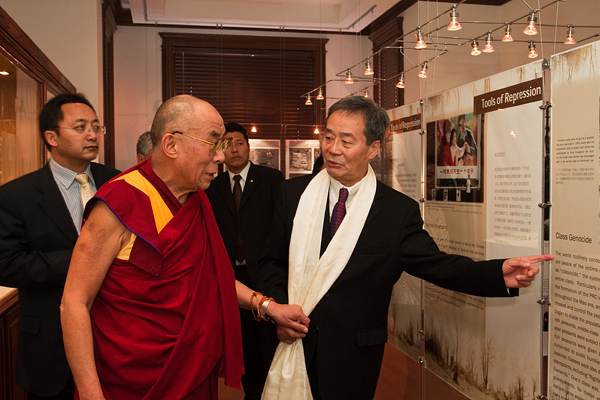
In 1992 Wu founded the Laogai Research Foundation to collect documents, interview survivors, translate materials and publish research that would be accessible to scholars, policymakers and the public. The foundation compiled reports and created a searchable archive intended to support accountability, journalism and historical study. With support from labor organizations and other allies, Wu later established a public exhibit in Washington, D.C., the Laogai Museum, which he described as the first museum in the United States focused on human-rights abuses in China; media and visitors noted the museum as an effort to preserve testimony and educate a wider audience about forced-labor practices (Laogai Museum).
Work, reception and debates
Wu’s work included public lectures, documentary research, interviews and publications. He helped bring attention to prison labor in policy discussions and human-rights advocacy. His claims and methods also attracted scrutiny and debate within activist and academic circles; some critics raised questions about funding sources, the presentation of evidence, or aspects of advocacy strategy. Supporters, including labor groups, emphasized the value of survivor testimony and archival documentation in exposing abuses. Overall, his documentation remains a resource for researchers examining forced-labor systems and political imprisonment (human rights).
Death and legacy
Harry Wu died of a heart attack on April 26, 2016 while traveling in Tegucigalpa, Honduras. He was 79. His work left a record of survivor testimony, translated materials, and curated exhibits intended to preserve evidence for future study and advocacy. The Laogai Research Foundation’s archives and the museum collections continue to be consulted by scholars, journalists and campaigners concerned with prison labor, transitional justice and historical memory.
Selected facts
- Born 1937 in Shanghai.
- Spent roughly 19 years in the Chinese laogai prison-labor system.
- Emigrated to and became a resident and citizen of the United States.
- Founded the Laogai Research Foundation in 1992 to document abuses and aid research.
- Testified before the U.S. Senate after invitations from Alan Cranston and Jesse Helms.
- Opened the Laogai Museum in Washington, D.C., which he presented as a U.S. public exhibit about abuses in China (museum).
- Died April 26, 2016 while traveling in Tegucigalpa, Honduras.
Related articles
Author
AlegsaOnline.com Harry Wu — Chinese-born American human-rights activist and laogai chronicler Leandro Alegsa
URL: https://en.alegsaonline.com/art/42651