
Anhanguera — tooth‑crested pterosaur from the Cretaceous
Anhanguera is a genus of toothed pterosaurs from the Early Cretaceous Santana Formation of Brazil, known for its long skull, snout crest and piscivorous lifestyle; several species have been reassigned.
Overview
Anhanguera is a genus of large, toothed pterosaur known from Cretaceous deposits. Its name derives from a Tupi word often rendered as "old devil." Fossils attributed to Anhanguera come chiefly from the Santana Formation in Brazil, a fossil‑rich unit of the Cretaceous period, and fragmentary material from other regions has at times been referred to the genus, including specimens from England. The Santana Formation itself is frequently cited in studies of South American pterosaurs (Santana Formation) and reflects coastal and lagoonal ecosystems in what is today Brazil.
Image gallery
10 Images


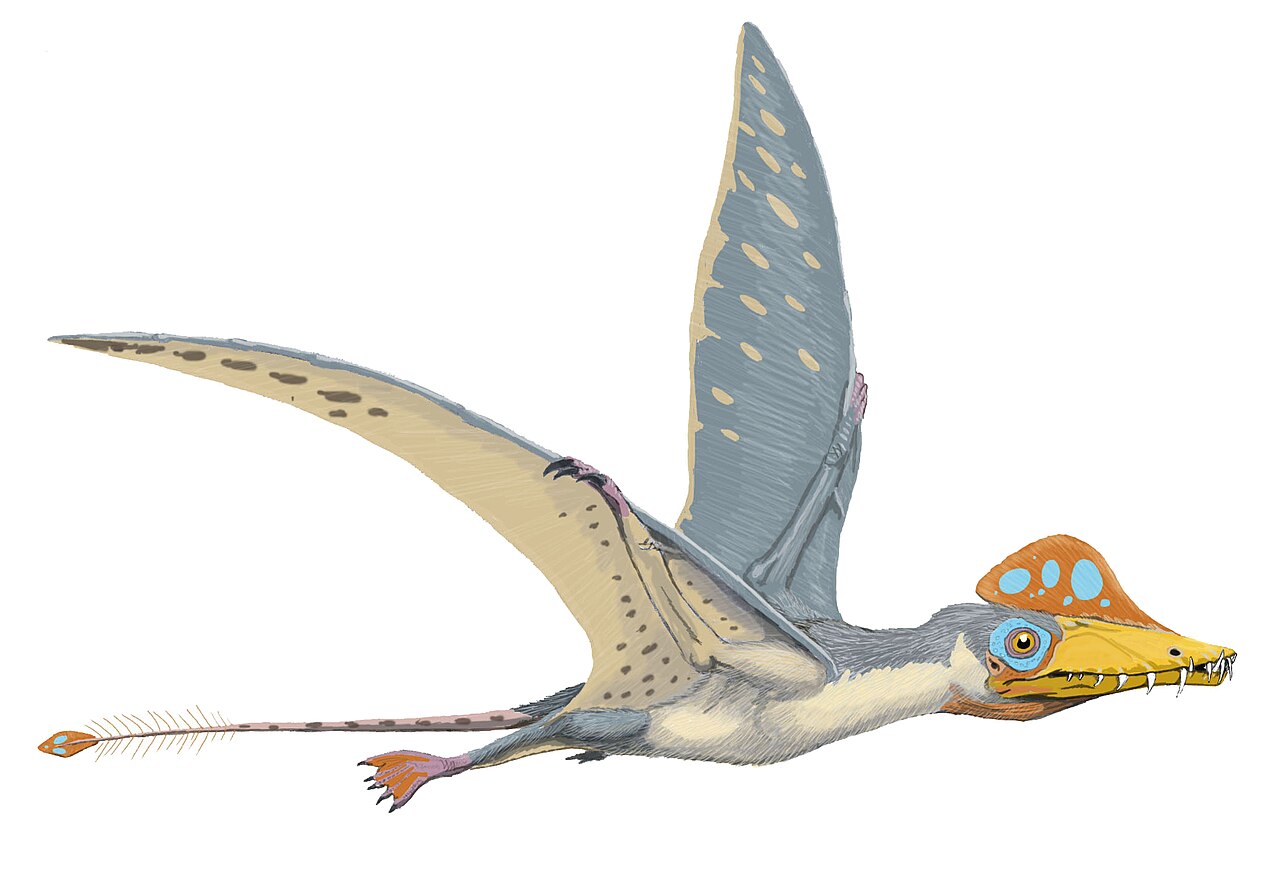

Anatomy and size
Anhanguera had a long, narrow skull with pointed, conical teeth set along the jaws—features typical of fish‑catching predators. Many specimens preserve a bony crest on the snout or variations of crest development, which may reflect age, sex or species differences. The wing was built on the elongated fourth finger, supported by a light, hollow skeleton adapted for powered flight. Estimates for wingspan vary by species and specimen, with large individuals reaching several metres across.
Classification and species
Anhanguera belongs to a group of toothed pterosaurs often placed in the family Anhangueridae, which includes close relatives such as Coloborhynchus and other ornithocheiroids. Taxonomy within this group has been revised repeatedly: multiple species once assigned to Anhanguera have been reassessed and moved or synonymized in later work. For example, material historically called Anhanguera piscator has been placed by some researchers in the genus Coloborhynchus, and English specimens have at times been compared or referred to the genus in older literature (see discussion).
- Type and diagnostic traits: elongated rostrum, conical teeth, snout crest.
- Close relatives: other anhanguerids and ornithocheirids.
- Taxonomic caution: many named species have been revised.
Paleoecology and diet
Jaw and tooth shape, together with associated depositional settings, indicate a primarily piscivorous diet: Anhanguera fed on fish and other small aquatic prey, snatching them from the water while flying or gliding (fish‑eating). The Santana Formation preserves marine and lagoonal faunas, and its exceptional preservation has revealed details of pterosaur anatomy and soft tissues in several specimens, helping reconstruct feeding and flight mechanics.
History of study and significance
Anhanguera was recognized and described in the modern paleontological literature in the late 20th century by researchers working on Brazilian pterosaurs, and subsequent study has refined its anatomy and relationships. Specimens from the Santana Formation are important for understanding diversity among Cretaceous pterosaurs in South America and for tracking how crest shape, body size and feeding adaptations varied among closely related forms. Because names and assignments have changed over time, researchers rely on detailed comparisons and revisions to clarify which fossils belong to Anhanguera and which should be placed elsewhere.
Notable points
- The name Anhanguera reflects indigenous language roots and has been retained in scientific usage.
- Material attributed to the genus illustrates how pterosaur diversity in coastal Cretaceous ecosystems was high and taxonomically complex.
- Some species originally described in Anhanguera have subsequently been reassigned, demonstrating ongoing revision in pterosaur classification (see, comparative genera).
Related articles
Author
AlegsaOnline.com Anhanguera — tooth‑crested pterosaur from the Cretaceous Leandro Alegsa
URL: https://en.alegsaonline.com/art/4249