
Haredi Judaism: beliefs, subgroups, history and contemporary life
Haredi Judaism (often called Ultra-Orthodox) is a spectrum of Jewish movements emphasizing strict religious observance, communal life, and traditional learning. This article explains groups, practices, history and demographics.
Overview
Haredi Judaism (the Hebrew term is Ḥaredi) refers to a range of Jewish movements that prioritize strict adherence to Jewish law, continuity of communal traditions and separation from modern secular culture. Often described in English as "Ultra-Orthodox," Haredim position themselves within the broader umbrella of Orthodox Judaism, and are generally regarded as the most conservative or tradition-minded currents of that umbrella (conservative here used in the sense of preserving tradition rather than aligning with political ideologies).
Image gallery
10 Images
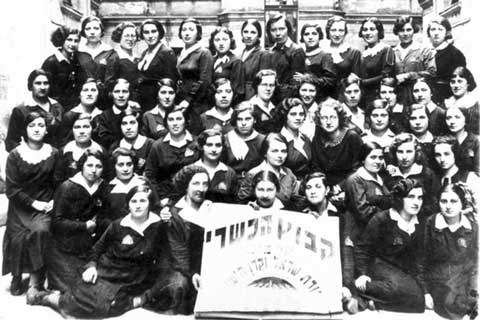


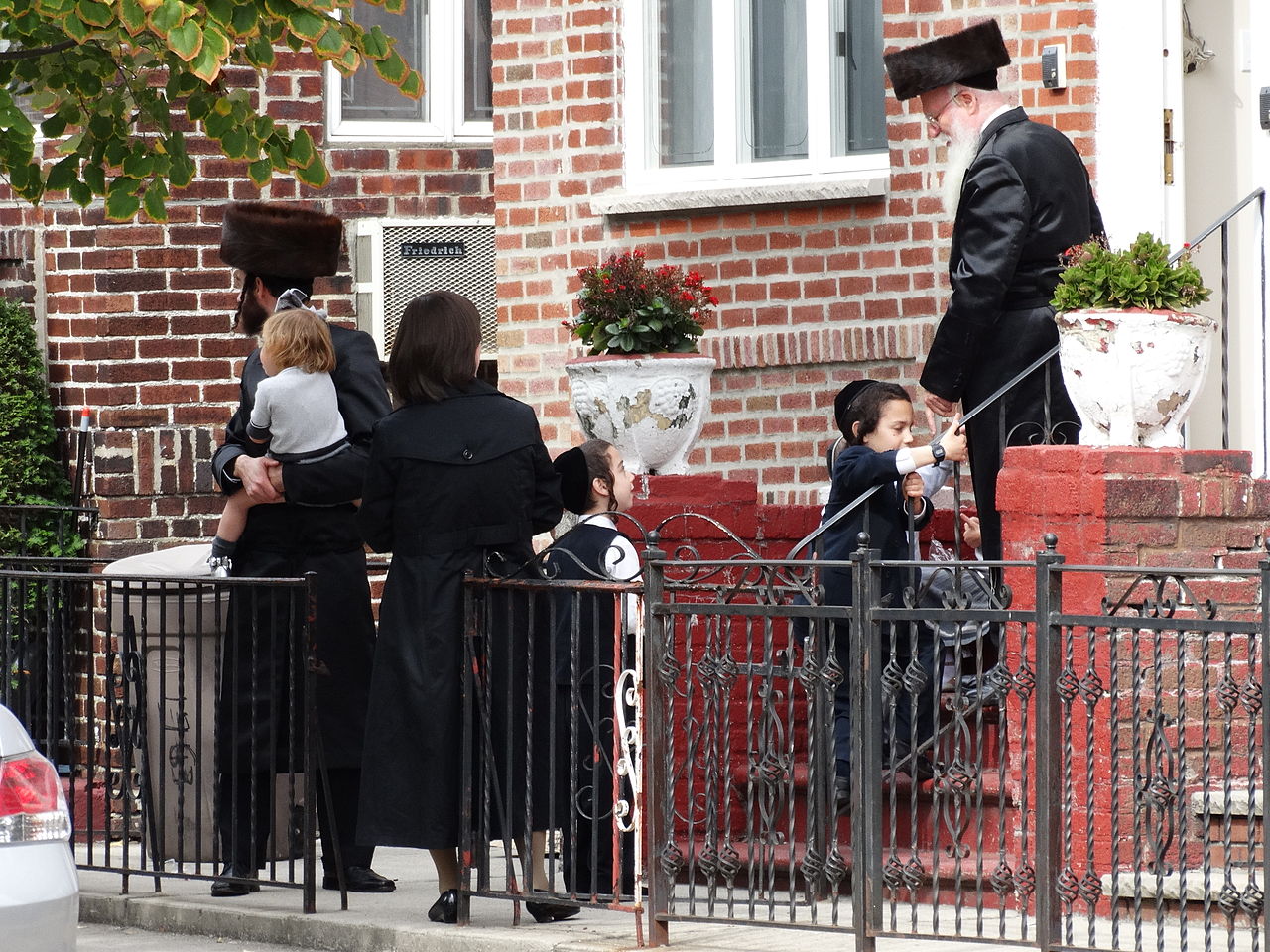

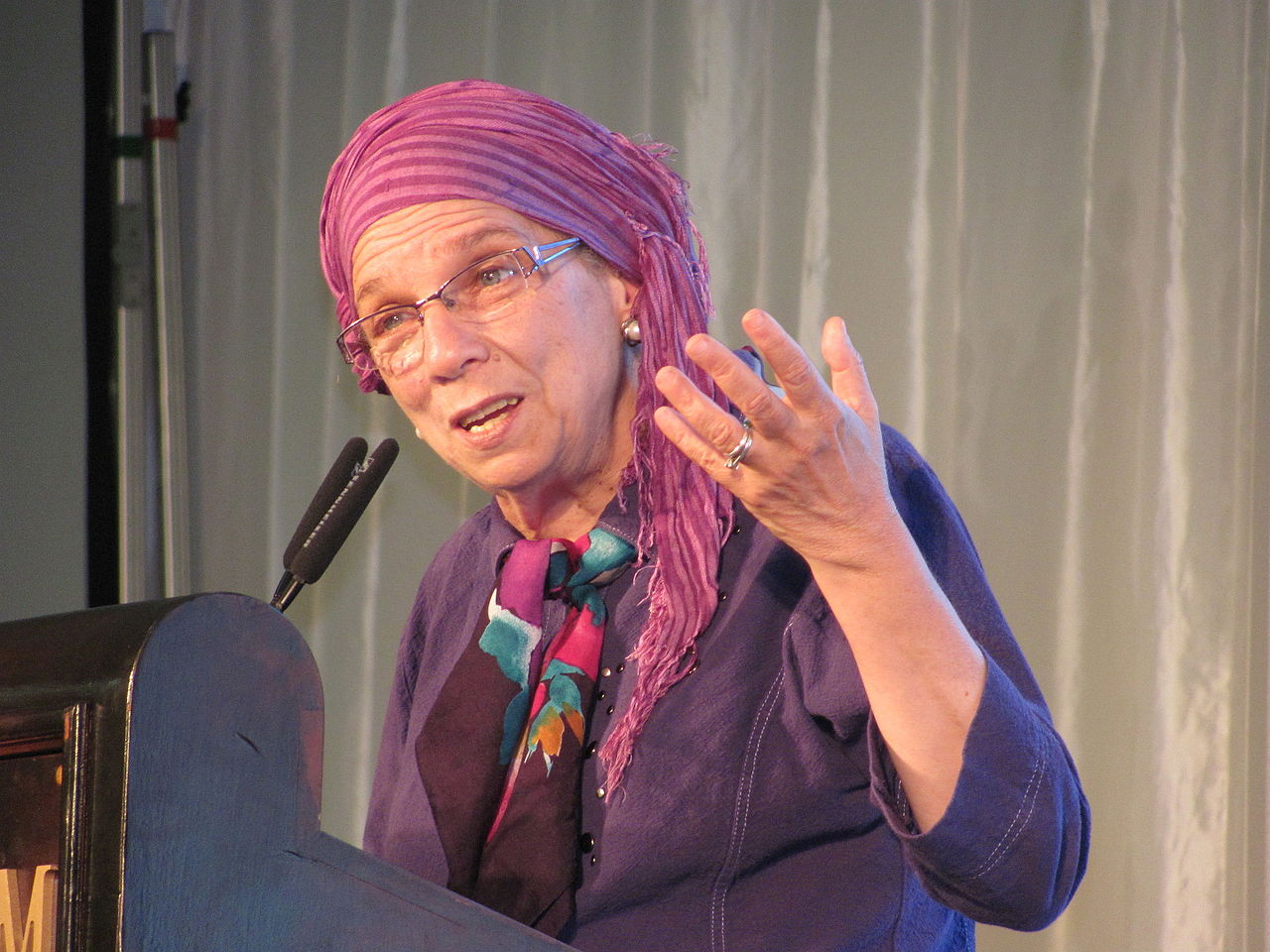


Core beliefs and everyday practice
Haredi life centers on observance of halakha (Jewish law), daily prayer, study of sacred texts and a strong communal life. Men typically spend many years in yeshiva or kollel environments focusing on Torah study, while women often combine family responsibilities with formal or informal education and community roles. Dress and public behavior reflect religious convictions: modest clothing, distinct styles of coats and hats in some groups, and gender-separated public life in many institutions. Religious services, lifecycle events and dietary laws (kashrut) are maintained rigorously.
Major internal groupings
The Haredi world is diverse and includes several identifiable streams. Broad categories include Hasidic groups, non-Hasidic Lithuanian or yeshivish communities, and Sephardic Haredim. Hasidic sects emphasize a spiritual leader or rebbe and exhibit distinctive songs, customs and dress (Hasidic). Lithuanian or "Litvish" communities focus strongly on Talmudic study and rabbinic scholarship. Sephardic Haredim maintain traditions from Middle Eastern, North African and Iberian Jewish backgrounds and have their own dress, liturgy and rabbinic authorities (Sephardic). Cultural practices, educational priorities and relations with surrounding societies vary across these groups (spiritual and cultural groups).
Origins and historical development
Modern Haredi identity developed in the 18th–20th centuries in response to social and intellectual changes in Jewish life, including the Enlightenment, emancipation and secularizing movements. Hasidism arose in Eastern Europe as a populist, mystical renewal movement, while the Lithuanian yeshiva world emphasized rational Talmudic study and institutional scholarship. Over time both streams solidified institutions and communal norms that shaped the contemporary Haredi landscape.
Demographics, growth and distribution
Haredi populations are concentrated in Israel, North America and parts of Western Europe, with important communities in cities and certain neighborhoods worldwide (Israel, North America, Western Europe). Estimates of total global numbers vary because of different definitions and limited data collection; a 2011 newspaper estimate, for example, suggested roughly 1.3 million adherents, but other analyses differ. Haredi families typically have higher fertility rates than surrounding populations, and many analysts note rapid growth—commonly described as population doubling every one to two decades in some communities—though exact rates vary by location (global estimates).
Social life, education and public debate
Education in Haredi communities emphasizes religious study; curricula and degrees of secular instruction differ markedly among groups. This has produced public discussion about workforce participation, welfare, state support for religious schools, and integration with broader society. Haredi communities balance communal autonomy with interaction with wider civic systems; some members engage extensively with secular professions and higher education, while others maintain a greater degree of separation.
Communities and notable centers
Prominent Haredi neighborhoods and towns serve as centers of learning, publishing and communal institutions. For example, the Me'a She'arim neighborhood in Jerusalem is well known for its largely Haredi population and distinctive public life (Me'a She'arim). Other cities and neighborhoods in Israel, New York, London and elsewhere host dense networks of synagogues, yeshivot, charities and communal organizations that sustain Haredi religious and social needs.
Distinctive facts and current challenges
- Internal diversity: "Haredi" covers multiple approaches to theology, leadership and interaction with society; it is not a single centralized movement.
- Demographic impact: rapid growth has social and political implications in countries with sizable Haredi populations.
- Public debates: issues such as education standards, military service, gender roles and economic participation are frequent points of negotiation between Haredi communities and national authorities.
For further reading on language, terminology and historical developments see related resources and scholarship from Jewish studies and contemporary social analysis (Hebrew term, conservatism, Orthodox Judaism, cultural groups, Hasidic, Sephardic Haredim, Israel, North America, Western Europe, demographic studies, Me'a She'arim).
Related articles
Author
AlegsaOnline.com Haredi Judaism: beliefs, subgroups, history and contemporary life Leandro Alegsa
URL: https://en.alegsaonline.com/art/42439
Sources
- manchester.ac.uk : "'Majority of Jews will be Ultra-Orthodox by 2050'"
- manchester.ac.uk : manchester.ac.uk
- ft.com : "Israel's secular activists start to fight back"
- nber.org : "Sect, Subsidy, and Sacrifice: An Economist's View of Ultra-Orthodox Jews"
- telegraph.co.uk : "Inside the private world of London's ultra-Orthodox Jews"