
Orthodox Judaism: Beliefs, Practices, History, and Community Life
Orthodox Judaism is a branch of Judaism that emphasizes continuity with traditional Jewish law and rabbinic interpretation. This article outlines its beliefs, practices, history, internal divisions, and contemporary role.
Orthodox Judaism refers to those streams of Jewish religious life that affirm the binding authority of traditional Jewish law (halakha) and the centrality of classical texts and rabbinic interpretation. Adherents generally hold that the written Torah and the accompanying oral tradition together form the core revealed sources that guide belief and conduct. The movement is not monolithic: it includes a range of communities that differ in attitudes toward modern culture, education, and public engagement.
Image gallery
10 Images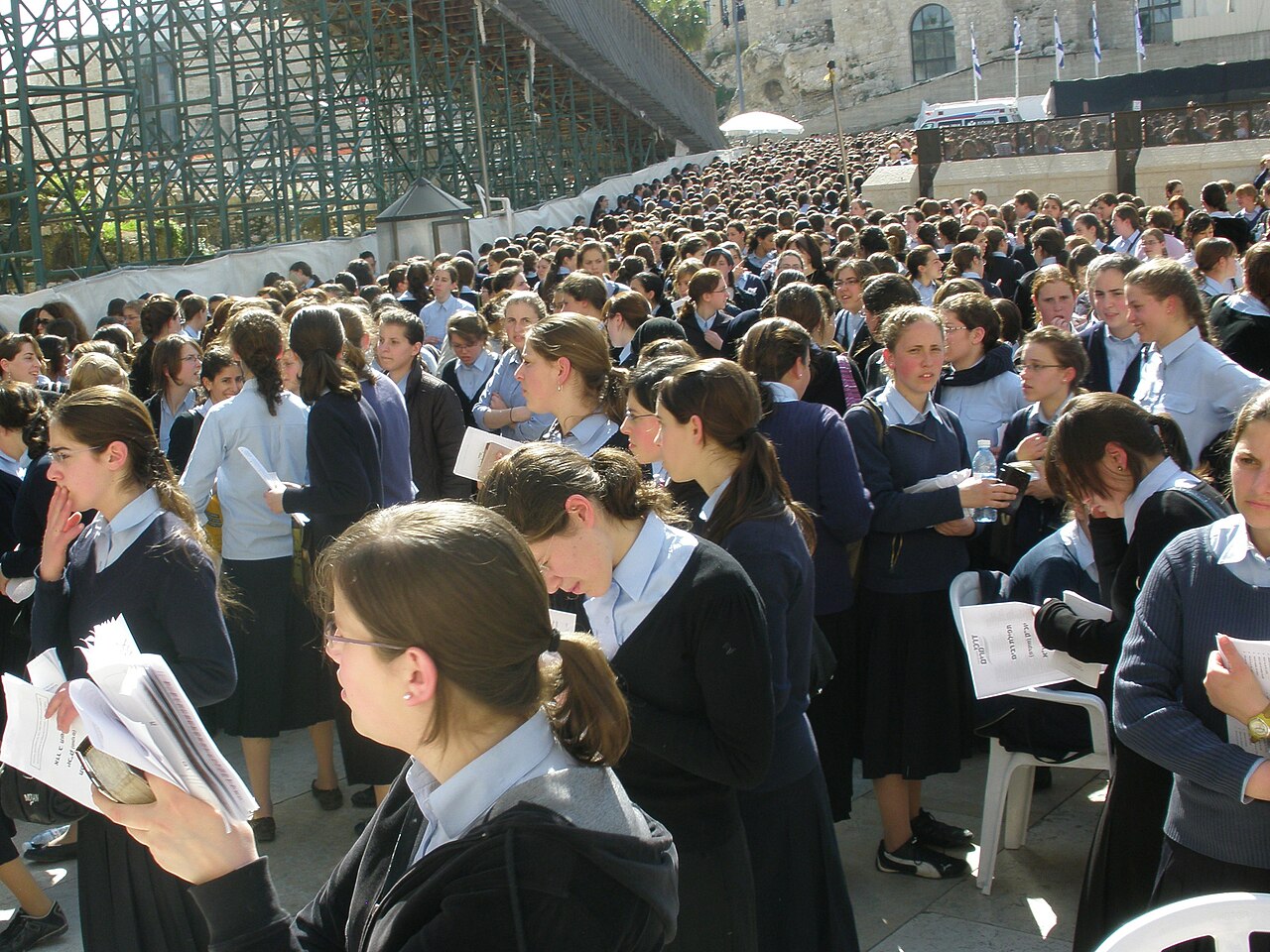


Beliefs and central texts
Orthodox belief is organized around a few linked ideas: the sanctity of the Torah, the ongoing relevance of rabbinic interpretation, and the obligation to observe halakha. The written Torah is studied alongside the oral traditions codified in works such as the Torah and the rabbinic corpus; study of the Talmud and subsequent legal codes is a cornerstone of religious education. Rabbinic authorities interpret and apply these texts to new circumstances, and many Orthodox communities place great weight on precedent and the rulings of respected scholars. For an overview of the movement and its institutions, see Orthodox Judaism and related resources.
Practices and communal life
Daily life in Orthodox communities is often structured by ritual, prayer, and halakhic observances. Common practices include:
- Daily prayer services and reading from the Torah on designated days.
- Observance of Shabbat (the Sabbath) with restrictions on work, travel, and the use of electricity according to communal interpretation.
- Kashrut (dietary laws), which govern permitted foods and food preparation.
- Lifecycle rituals such as brit milah (circumcision), bar/bat mitzvah, marriage ceremonies, and mourning practices.
Education, particularly in religious texts and Hebrew, tends to be emphasized. Dress and gender roles vary: some communities adopt modest but modern styles, while others maintain distinctive traditional attire. Rabbis and learned lay leaders often serve as teachers, adjudicators of law, and communal organizers; see materials related to rabbinic authorities for more on that role.
History and development
As a self‑identifying movement, what is now called Orthodox Judaism developed in response to internal changes and external pressures beginning in the 18th and 19th centuries, when modernizing tendencies and new movements within Judaism emerged. Orthodox communities coalesced around efforts to preserve halakhic practice and traditional study while confronting emancipation, secular education, and changing civic status. Over time distinct approaches emerged: some groups sought to limit contact with secular society, while others tried to balance commitment to tradition with participation in modern life.
Subgroups and distinctions
Orthodox Judaism contains several major streams. Haredi (often called ultra‑Orthodox) communities generally emphasize insulation from secular influences and strict interpretation of halakha. Modern Orthodox communities typically combine steadfast halakhic observance with engagement in secular education, professions, and public life. Religious Zionist communities integrate traditional practice with support for Jewish national institutions. These categories overlap and are not exhaustive; local customs and leadership produce considerable diversity.
Contemporary relevance and demographics
Orthodox communities play a prominent role in Jewish religious life globally and in countries with sizable Jewish populations. They maintain synagogues, schools, charitable organizations, and legal institutions that sustain communal life. Demographic trends differ by region: in some places Orthodox populations have been growing, driven in part by higher birth rates and strong communal institutions, while in others they remain a significant but not majority component. Debates about modernity, gender, state relations, and pluralism continue to shape internal conversation and public perception.
Orthodox Judaism thus represents a living set of religious commitments that prioritize continuity with classical texts and rabbinic tradition, while exhibiting a wide range of responses to contemporary life.
Related articles
Author
AlegsaOnline.com Orthodox Judaism: Beliefs, Practices, History, and Community Life Leandro Alegsa
URL: https://en.alegsaonline.com/art/73266
Sources
- jewishfederations.org : American Jewish Religious Denominations
- jpr.org.uk : Synagogue membership in the United Kingdom in 2010