
Harrowing of Hell (Descent into the Dead)
The Harrowing of Hell is the Christian tradition that Christ descended to the realm of the dead after his crucifixion to free the righteous. It shaped creeds, liturgy, art, and medieval drama.
Overview
The Harrowing of Hell describes a belief in many Christian traditions that, between his death on Good Friday and his resurrection on Easter Sunday, Jesus descended to the place of the dead and proclaimed victory over death. In popular language this event is often called a descent into Hell, Hades, or Sheol; scholars and theologians distinguish these terms carefully. The episode has been important in creeds, sermons, iconography and dramatic performance across centuries. For a concise reference to the practice in Christian tradition see additional resources.
Image gallery
10 Images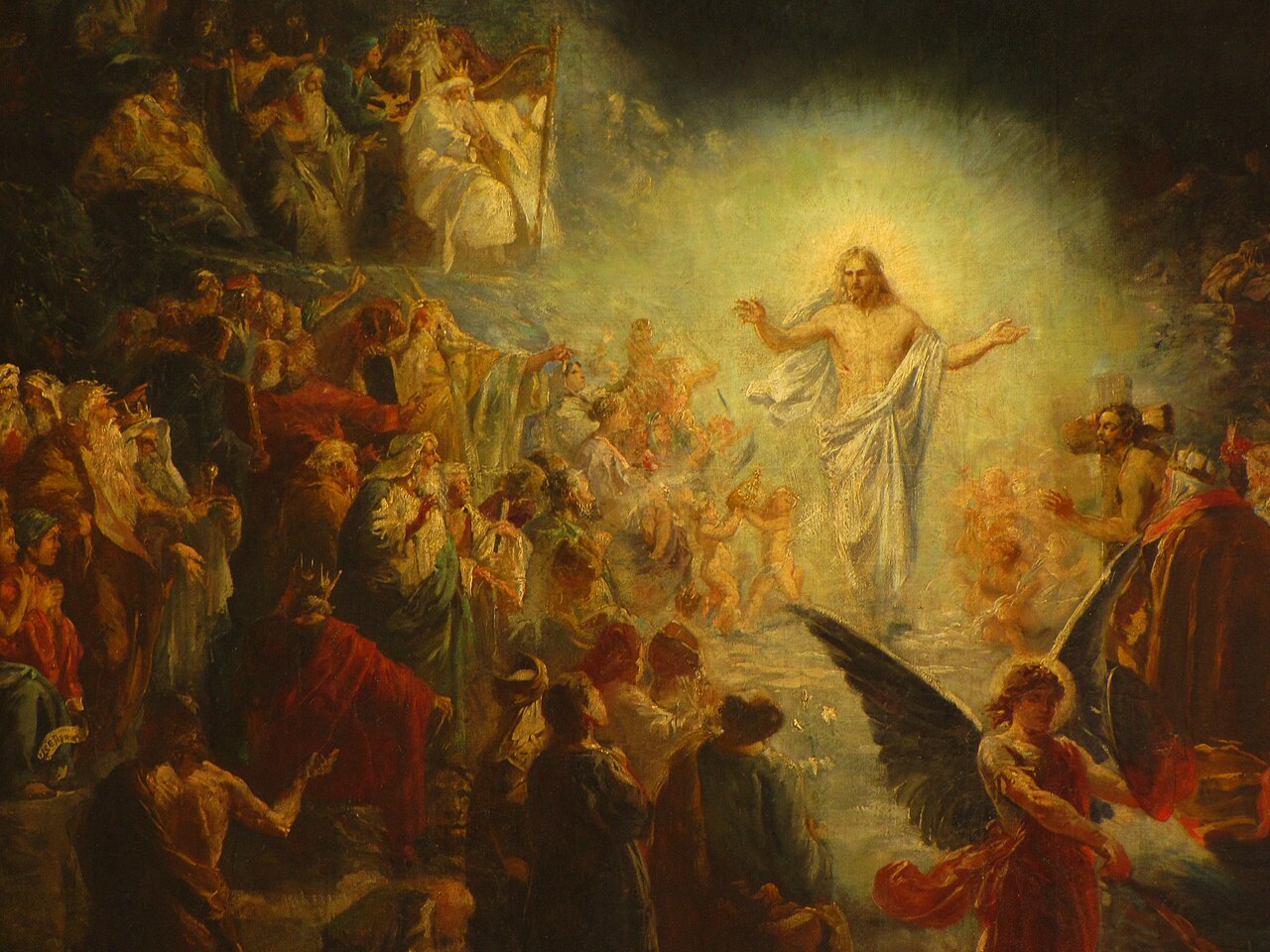





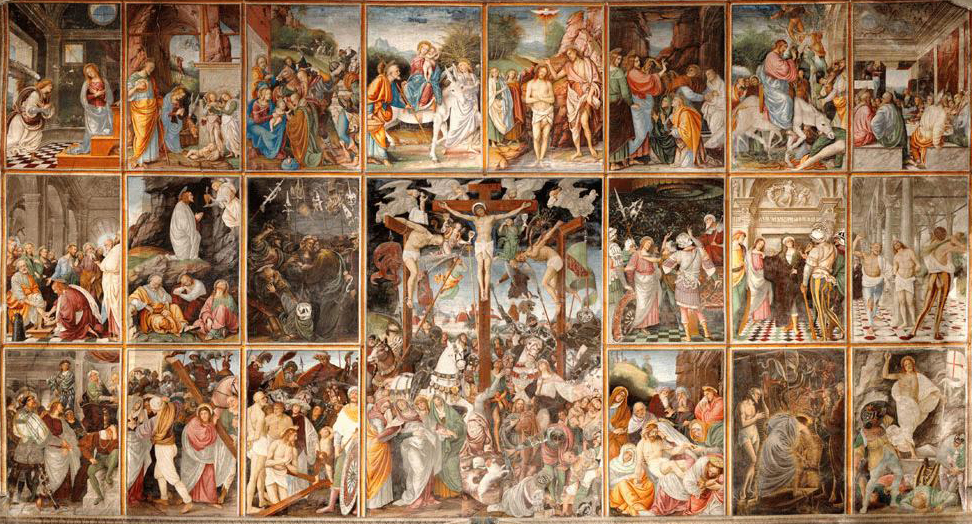
Scriptural and doctrinal sources
The New Testament passage most often linked with the tradition is 1 Peter 3:18–22, which speaks of Christ "preaching to the spirits in prison" after being put to death. Other early Christian writings and creeds reflect or presuppose the idea, and translations differ on whether they mean a proclamation of triumph, an offer of salvation to the dead, or a symbolic statement about Christ's victory over death. The wording in historic summaries of faith — for example the phrase found in many versions of the Apostles' Creed — is one reason the episode has long been debated; see a discussion of the creed and its language here.
History and cultural influence
From Late Antiquity through the Middle Ages the Harrowing of Hell became a vivid element of Christian imagination. Church Fathers and medieval theologians treated it both as a real event and as a metaphor for Christ's triumph. It appears in Byzantine and Western European art, in liturgical drama and in vernacular poetry. In medieval England the theme was staged in mystery plays and influenced popular devotion. For developments in art and drama consult studies on medieval performance and iconography here.
Theological interpretations
Interpretations vary. Common emphases include: freeing the righteous who died before Christ, defeating the powers of death and Satan, and announcing salvation to the dead. Some traditions understand the descent literally, others figuratively as a proclamation or as a theological statement about the meaning of the resurrection. Debates about whether "hell" means eternal punishment or simply the realm of the dead are central to how different churches teach and celebrate the event. For modern theological perspectives see further commentary.
Liturgy, iconography and examples
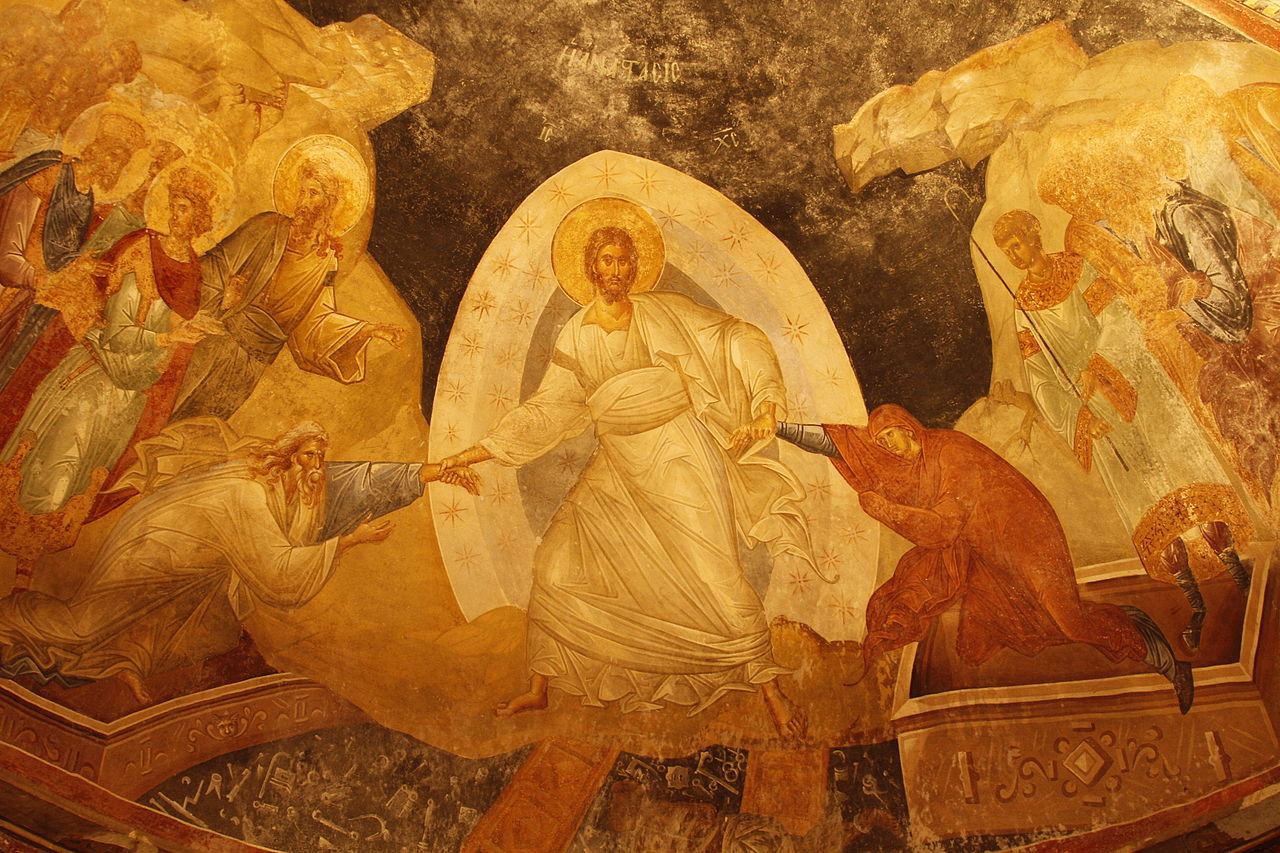
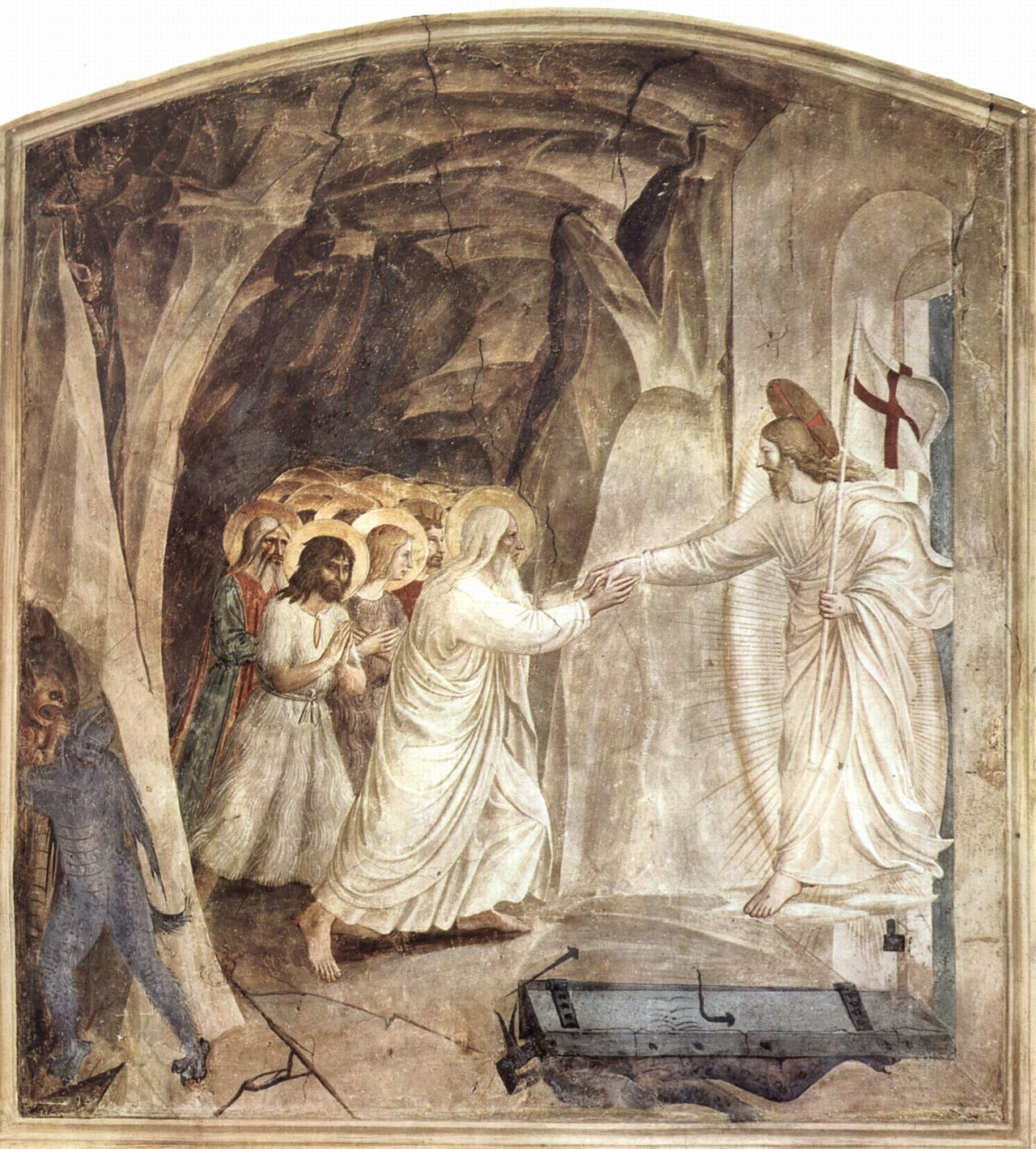
In Eastern Christianity the event is called the Anastasis and is a standard subject in Paschal iconography: Christ is commonly depicted breaking the gates of Hades and raising Adam and Eve. Western art similarly portrayed Christ releasing captives from a dark underworld. The episode figures in Holy Saturday liturgies and in medieval mystery plays that dramatized episodes from Christ's passion and resurrection. Examples and images are catalogued in many museum and church studies collections.
Key themes and distinctions
- Terminology: "Hell" (Gehenna) vs. "Hades"/"Sheol" (the dead) matters to interpretation.
- Function: the story serves as a theological affirmation of Christ's victory over death.
- Cultural role: it shaped liturgy, preaching, visual art, and medieval drama.
- Debate: Christians diverge on whether the descent was literal, symbolic, or primarily soteriological.
Related articles
Author
AlegsaOnline.com Harrowing of Hell (Descent into the Dead) Leandro Alegsa
URL: https://en.alegsaonline.com/art/42592
Sources
- newadvent.org : "Harrowing of Hell"