
Har Nof — Jerusalem neighborhood and archaeological area
Har Nof is a residential neighborhood on a scenic western ridge of Jerusalem, noted for ancient terraces, rock-cut wine presses, archaeological remains and a large Orthodox Jewish community.
Overview
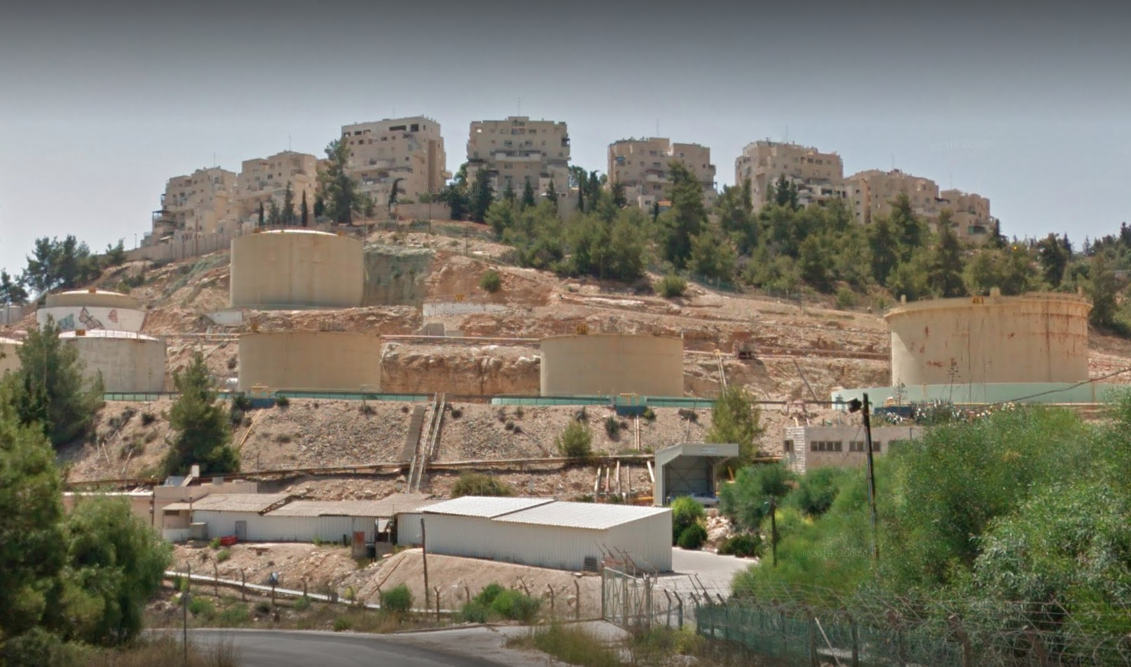
Har Nof (Hebrew: הר נוף) is a neighborhood built on a high western ridge of Jerusalem. Its name means "scenic mountain" and the locality is often described as a distinct quarter of the city; its map position and coordinates place it on slopes that overlook valleys and the low hills to the west. The locality is commonly referred to as a mountain in local descriptions and travel references. Administratively it lies within the municipal boundaries of Jerusalem and is part of the city's modern urban fabric.
Image gallery
9 Images




History and archaeology
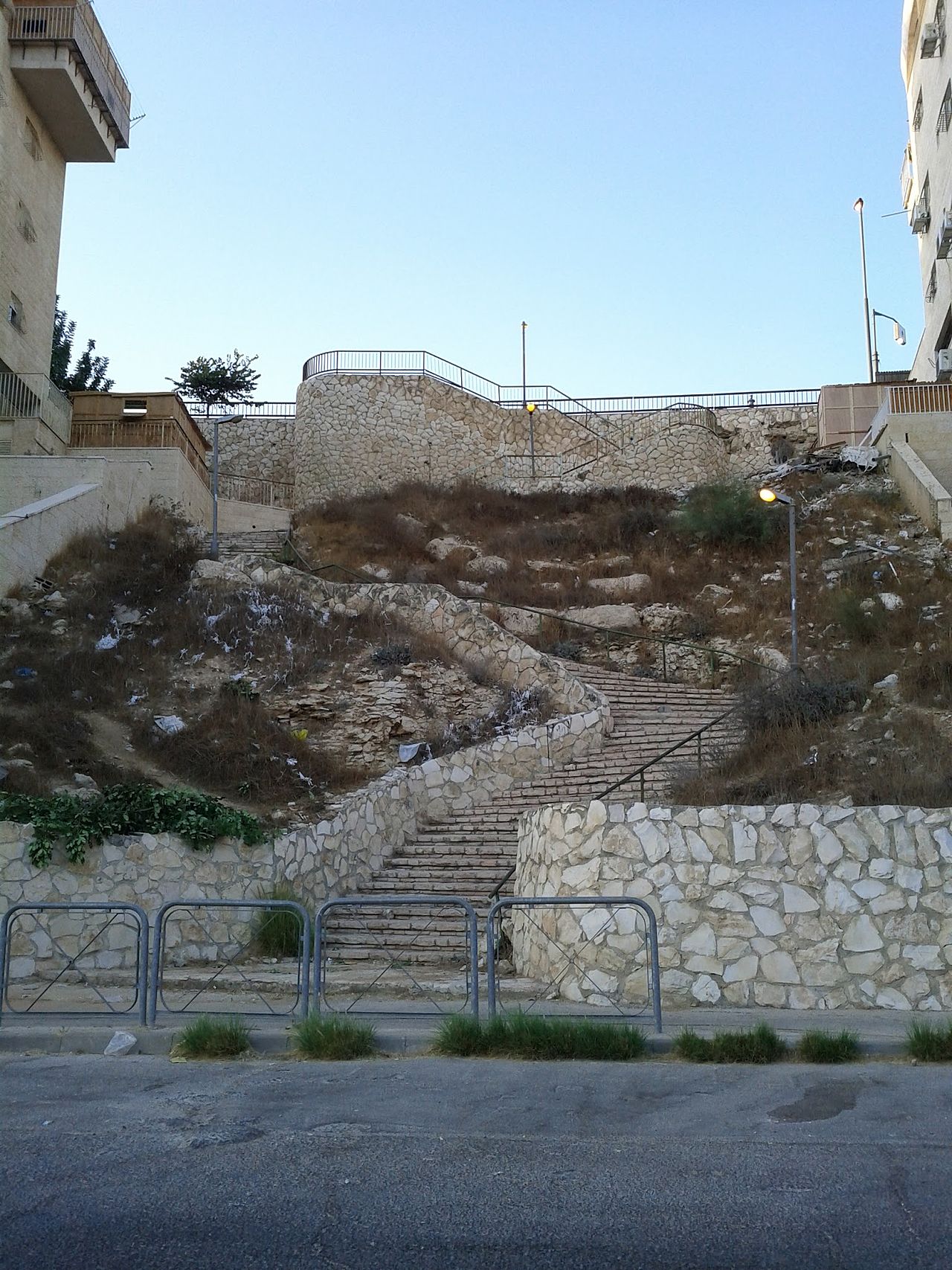
Archaeological work and surface surveys in Har Nof have documented terraces cut into the slopes, numerous rock-cut installations and agricultural facilities that attest to long-term rural use of the ridge. Excavations revealed a series of carved wine presses, storage caves and cisterns that point to organized viticulture and olive processing; these installations link the area to agricultural systems known from the late Second Temple period. In places stone walls and fragments of fortifications have been interpreted as related to regional defensive works of the Herodian era (fortifications).
Among finds in lower-lying streets are the remains of a small fort or castle, an associated pond or cistern and nearby rock-cut wine presses. The fort appears to have served both defensive and logistical roles, sheltering guards who oversaw movement to and from Jerusalem in antiquity; opposite that site an ancient press complex was recorded, consistent with production for a local community and the needs of a garrison (castle, pond).
Modern community and institutions
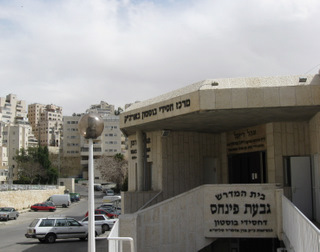
In the 20th century Har Nof developed as a residential neighbourhood with a strong religious character and today is known for a concentration of Orthodox Jewish life. The area is home to numerous synagogues, study houses and rabbinic institutions that attract students and families from Israel and abroad. The social fabric is shaped by communal organizations, local schools and charitable networks associated with the broader Israeli religious community.
Landscape, agriculture and continuity
The hillside terraces remain one of the visible links between Har Nof's agricultural past and its present urban form. Remnants of grape cultivation are indicated by the many ancient presses and byfield terraces; these attest to the historical importance of grapes and wine production in the Jerusalem region. Today some terraces and lookout points preserve views that contribute to the neighbourhood's name and local identity.
Features and significance
- Extensive stone terraces and rock-cut wine presses from antiquity.
- Remains of defensive works and a small fortress interpreted as late Second Temple/Herodian in date.
- A living modern neighborhood notable for its religious institutions and concentrated rabbinic presence.
Har Nof therefore illustrates a common pattern in Jerusalem: continuity of landscape use from ancient agriculture and local defense to contemporary urban and religious life. The archaeological evidence provides material context for study of rural production and settlement on the outskirts of ancient Jerusalem, while the modern neighborhood remains an active center of community and learning within the city.
Related articles
Author
AlegsaOnline.com Har Nof — Jerusalem neighborhood and archaeological area Leandro Alegsa
URL: https://en.alegsaonline.com/art/42363