
Hallam Tennyson, 2nd Baron Tennyson
Biographical overview of Hallam Tennyson (1852–1928), British peer and colonial administrator who served as Governor of South Australia and as the second Governor‑General of Australia.
Overview
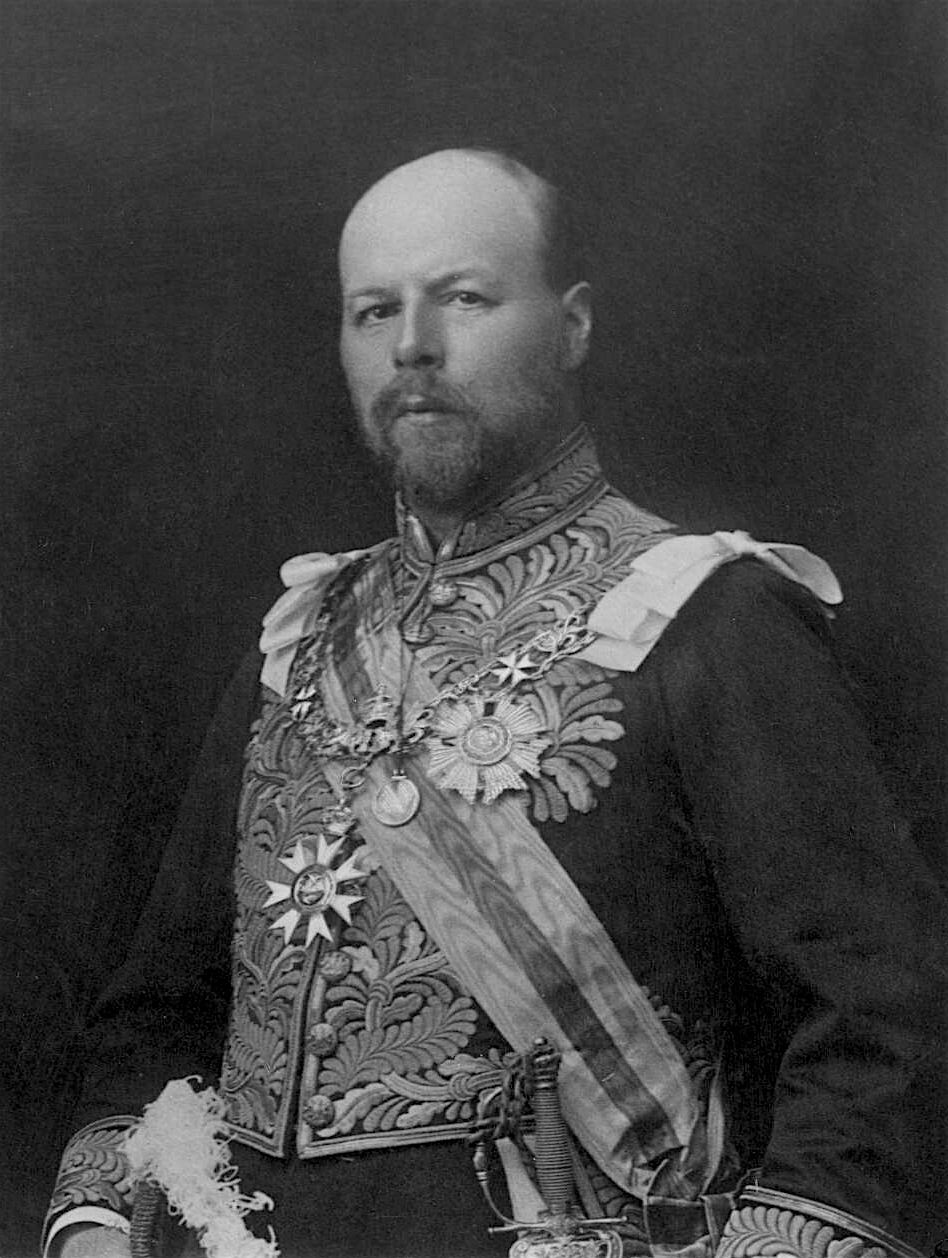
Hallam Tennyson, 2nd Baron Tennyson (11 August 1852 – 2 December 1928) was a British peer and public servant who held senior imperial appointments around the turn of the 20th century. A son of the poet Alfred Tennyson, he combined responsibilities in the United Kingdom with a period of colonial administration in Australia, most notably serving as Governor of South Australia and later as the second Governor‑General of the Commonwealth of Australia. For further reference see biographical resources.
Image gallery
7 Images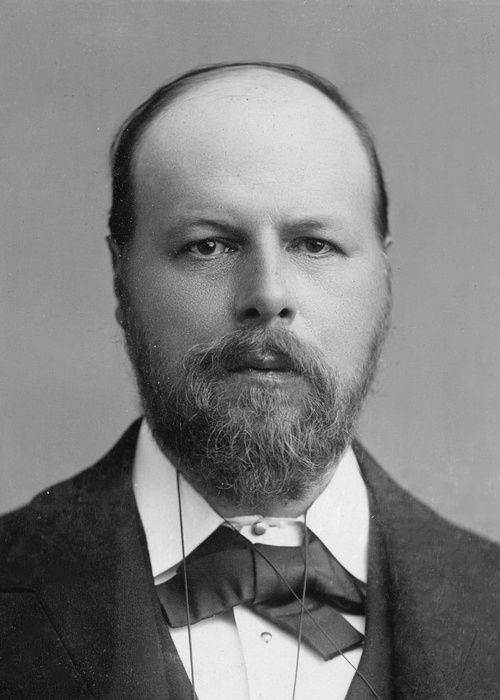


Early life and family
Tennyson was born in Twickenham, Surrey, in 1852 and grew up in a household shaped by his father's literary prominence. He succeeded to the family title on his father's death in 1892 and became known in public life as a member of the British aristocracy and the House of Lords. Contemporary accounts emphasize his role as both a custodian of the family estate and a public figure. His parentage is often noted in discussions of his life: he was the son of Alfred Tennyson. The family home on the Isle of Wight remained an important base during his later years.
Colonial service and official posts
Hallam Tennyson's main administrative postings were in Australia. He was appointed Governor of South Australia, a vice‑regal position he held from April 1899 until July 1902. Following the departure of the first Governor‑General, he served in an acting capacity and then formally as the second Governor‑General of Australia from January 1903 to January 1904. These duties required balancing imperial expectations with the evolving political institutions of a recently federated Commonwealth. His earlier and later life were shaped by the conventions of the British peerage and imperial administration (peerage context).
Later life, family losses and death
Tennyson was married twice and fathered three sons; two of his sons died during the First World War, a personal tragedy that reflected the wide reach of that conflict across British society and its aristocracy (World War I). After returning from Australia he spent much of his remaining life on the Isle of Wight. He died at Farringford, Freshwater, on the Isle of Wight, at the age of 76. His death place and local connections are recorded in local histories and memorials (Farringford/Isle of Wight).
Significance and notable facts
Tennyson's career illustrates several features of late Victorian and Edwardian public life: the movement of aristocratic figures into imperial administration, the role of vice‑regal offices in managing transitions (including Australian federation), and the private impact of global events such as the First World War. He was recognized with honours appropriate to his offices (including the Order of St Michael and St George) and remained associated with the literary legacy of his family. For information on the office he held in South Australia see Governor of South Australia, and for broader context on the British upper classes of the period see general references to British aristocracy.
Key dates
- Born: 11 August 1852, Twickenham (Twickenham)
- Succeeded as 2nd Baron Tennyson: 1892
- Governor of South Australia: April 1899 – July 1902 (official record)
- Governor‑General of Australia: January 1903 – January 1904 (commonwealth role)
- Died: 2 December 1928, Farringford, Isle of Wight (local source)
Note: This article summarizes well‑established details of Hallam Tennyson's public life and family background and provides links to further resources and institutional records for readers seeking primary sources or extended biographies (more, family, wartime context).
Related articles
Author
AlegsaOnline.com Hallam Tennyson, 2nd Baron Tennyson Leandro Alegsa
URL: https://en.alegsaonline.com/art/41912
Sources
- commons.wikimedia.org : Hallam Tennyson, 2nd Baron Tennyson
- adb.anu.edu.au : "Tennyson, Hallam (1852–1928)"