
Governor-General of Australia
The Governor-General is the monarch's representative in Australia, performing constitutional, ceremonial and community duties, exercising certain reserve powers and acting on ministerial advice.
The Governor-General is the official representative in Australia of the country's head of state and performs constitutional, ceremonial and community functions. The office links Australia's constitutional monarchy with its parliamentary system. The current officeholder is David Hurley, who serves as the Governor-General while the monarch is Charles III.
Image gallery
10 Images


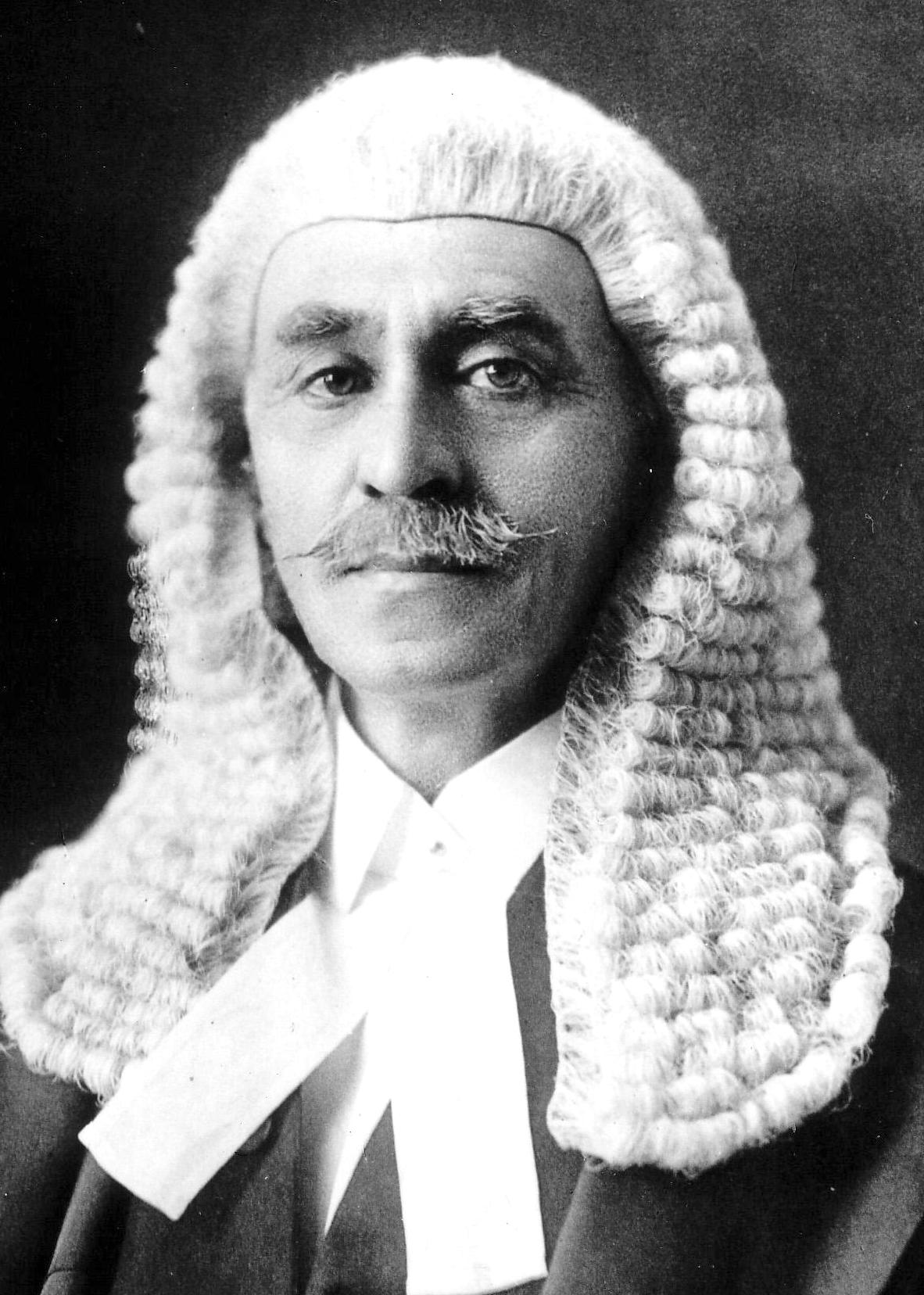

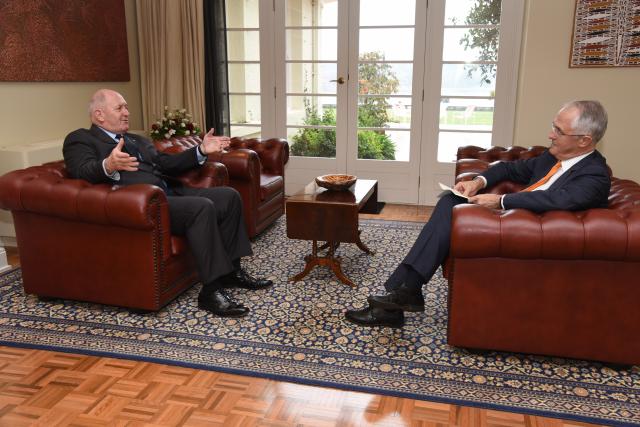
Constitutional role and powers
Constitutionally, the Governor-General carries out powers granted by the Australian Constitution and by convention. In practice most powers are exercised on the advice of the Prime Minister and ministers, including giving royal assent to legislation, appointing ministers and judges, and presiding over the Federal Executive Council. The Governor-General is also the nominal Commander-in-Chief of the Australian Defence Forces, a role that is largely ceremonial and normally exercised on ministerial recommendation.
Appointment, term and conventions
The Governor-General is appointed by the sovereign of Australia on the advice of the Prime Minister. Although the appointment is formally made by the monarch, selection is driven by Australian political and constitutional convention. The office is held at the monarch's pleasure, and by convention incumbents commonly serve for a term of several years. The holder is expected to remain politically neutral while exercising constitutional responsibilities.
Functions and daily activities
- Presiding over the Federal Executive Council and formally appointing ministers and other officials.
- Giving royal assent to bills passed by Parliament, making legislation law.
- Representing the Crown at public ceremonies, state visits and community events.
- Exercising reserve powers in exceptional circumstances, for example to appoint or dismiss a Prime Minister, or to refuse dissolution of Parliament, though such use is rare and controversial.
History and notable facts
The office of Governor-General has evolved from a colonial viceroy to a largely Australian institution following federation in 1901. Over the twentieth century the role shifted from a direct representative of imperial authority to a national officeholder acting on Australian advice. The exercise of reserve powers has been tested in modern times and remains one of the most discussed constitutional features of the office.
Further context and resources
For official information about the office and the current holder, consult authoritative sources describing the Governor-General's duties and events of office. The Governor-General acts as the Monarch's representative, and information about the sovereign appears under the monarch's official pages. Details on the present officeholder can be found at David Hurley profiles. Constitutional and defence roles are discussed in government materials that treat the Commander-in-Chief role and the responsibilities relating to the Australian Defence Forces.


Questions and answers
Q: Who is the Governor-General of Australia?
A: The current Governor-General of Australia is David Hurley.
Q: What is the role of the Governor-General of Australia?
A: The Governor-General of Australia is the representative of Australia's head of state, and is responsible for leading the Executive Council and commanding the Australian Defence Forces.
Q: Who is Australia's head of state?
A: Australia's head of state is Charles III.
Q: Is the Governor-General of Australia a powerful person in the country?
A: Yes, the Governor-General of Australia is a powerful person in the country.
Q: What is the Executive Council?
A: The Executive Council is a council of advisers appointed by the Governor-General, which is responsible for advising the government on matters of state.
Q: What is the role of the Commander-in-Chief of the Australian Defence Forces?
A: The Commander-in-Chief of the Australian Defence Forces is responsible for leading and directing the Australian military.
Q: Does the Governor-General of Australia have the power to declare war?
A: No, the power to declare war in Australia is vested in the Prime Minister and the Parliament.
Related articles
Author
AlegsaOnline.com Governor-General of Australia Leandro Alegsa
URL: https://en.alegsaonline.com/art/39964
Sources
- peo.gov.au : Governor-General