
Toussaint L'Ouverture: Leader of the Haitian Revolution
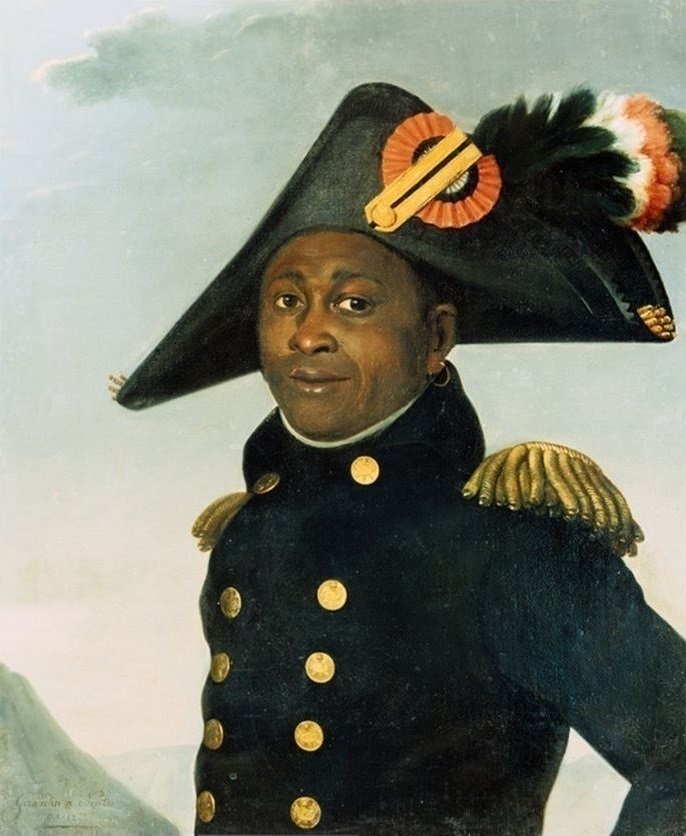
Toussaint L'Ouverture (c.1743–1803), the principal leader of the Haitian Revolution who turned a slave uprising into a military and political movement and governed Saint-Domingue.
Overview
Toussaint L'Ouverture is widely recognized as the foremost leader of the Haitian Revolution. Born around 1743 in the French colony of Saint-Domingue, he rose from the milieu of free people of color to command a diverse force. His leadership transformed a local insurrection into a struggle that challenged European empires and slavery itself. Historians emphasize his military skill, political maneuvering and efforts to rebuild civil order.
Image gallery
10 Images




Background and rise
Before becoming a prominent commander, Toussaint was a member of the class called free people of color, sometimes described as a free black in contemporary sources. He first took a leading role in the 1791 disturbances that began as a slave uprising and developed into the larger Haitian Revolution. His early military career involved organizing former slaves and coordinating with or resisting foreign powers as strategy required.
Military and political leadership
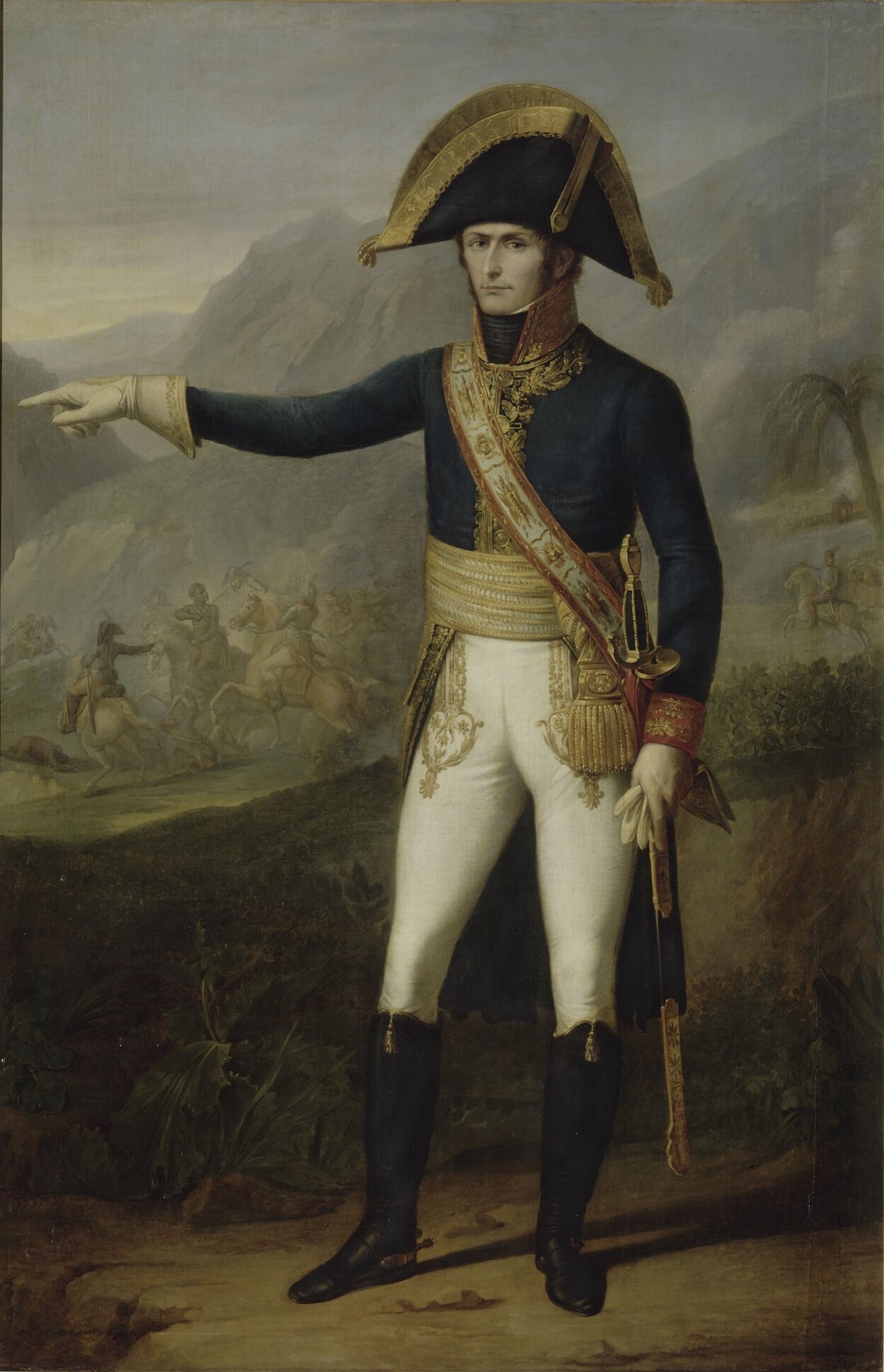
Toussaint built and commanded a sizable army that gradually gained control over much of the island, including actions that affected the Spanish-held side, historically referred to as Santo Domingo. At different moments he confronted or negotiated with British and Spanish forces and later with the revolutionary government in France. Contemporaries noted his tactical flexibility and his capacity to govern occupied territory.
Governance, reforms and economy
Once he exercised authority over the colony, Toussaint sought to restore stability and productive output. He promoted measures to improve security and revive the colonial economy, believing exports were key to survival. To that end he encouraged the reorganization of the agro-export system and maintained large plantations, but attempted to replace slavery with wage labor and regulated labor policies rather than a return to bondage; this balance was controversial among contemporaries and later commentators. His practical aim was to preserve economic life while preventing the re-enslavement of former captives, and to consolidate political order.
Capture, death and legacy
When France under Napoleon sought to reassert direct control, Toussaint was captured and deported to Europe, where he died in prison in 1803. His removal did not end the revolution, which soon led to Haitian independence. He is remembered for converting a fragmented rebellion into a disciplined force and for laying administrative foundations.
Notable facts
- Leadership: Toussaint is often described as the central military and political leader of the movement.
- 1791 origins: The insurrection that launched the conflict began in 1791 and spread across the colony.
- International context: The struggle involved imperial rivals, including Spain and Britain, as well as revolutionary France.
- Plantation policy: He sought to preserve plantation agriculture while shifting labor arrangements to paid or regulated forms.
For further introductory reading and resources, see general overviews and primary-source collections that discuss Toussaint's role in the wider Atlantic revolutions era. Additional materials and archival links can be found via research guides and historical repositories.
Questions and answers
Q: Who was Toussaint L'Ouverture?
A: Toussaint L'Ouverture was the leader of the Haitian Revolution.
Q: What was Toussaint L'Ouverture's military career?
A: Toussaint L'Ouverture started his military career as a leader of the 1791 slave rebellion in Saint-Domingue, which was a French colony.
Q: Was Toussaint L'Ouverture a slave?
A: No, Toussaint L'Ouverture was a free black man.
Q: What did Toussaint L'Ouverture do after leading the slave rebellion?
A: Toussaint L'Ouverture built and led a large army that gradually took control over the whole island, including the Spanish part called Santo Domingo.
Q: What did Toussaint L'Ouverture do while he had power?
A: While he had power, Toussaint L'Ouverture tried to improve the security and economy on Saint-Domingue.
Q: Did Toussaint L'Ouverture restore the plantation system?
A: Yes, Toussaint L'Ouverture restored the plantation system using paid workers.
Q: How did Toussaint L'Ouverture contribute to the Haitian Revolution?
A: Toussaint L'Ouverture's leadership and military strategy contributed significantly to the success of the Haitian Revolution, which resulted in the abolition of slavery and the establishment of Haiti as an independent nation.
Author
AlegsaOnline.com Toussaint L'Ouverture: Leader of the Haitian Revolution Leandro Alegsa
URL: https://en.alegsaonline.com/art/132243