
Dollar (currency)
A dollar is a common name for currencies used by several countries. This article explains its symbol, origin, major varieties, denominations, and economic role.
The term "dollar" refers to a family of currencies used around the world rather than a single monetary unit. In general parlance it denotes a unit of money issued by a sovereign state or monetary authority. The word is applied to multiple national currencies, so context is needed to know which specific dollar is meant. The basic symbol associated with the dollar is the dollar sign ($), which commonly appears as an S crossed by one or two vertical strokes.
Image gallery
9 Images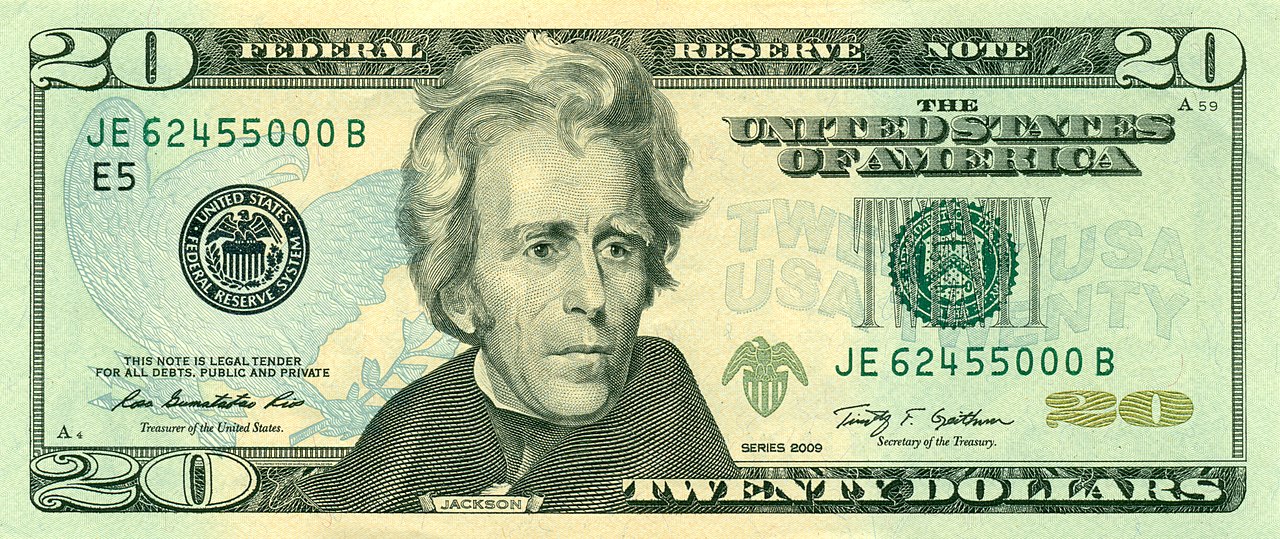




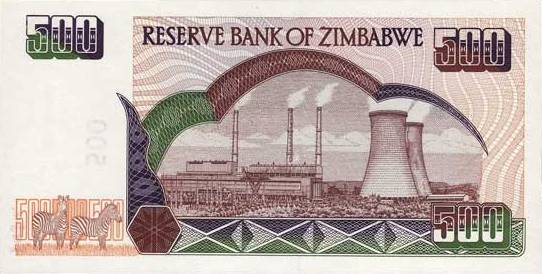

Characteristics and notation
Dollars are typically issued as banknotes and coins in a range of denominations and are recognised by names and standardized codes such as ISO currency identifiers (for example, USD for the United States dollar). The sign $ is widely used in financial writing and commerce. Amounts may be written with a symbol before the numerals or with an ISO code to avoid ambiguity between different national dollars.
History and origins
The dollar's name and design descend from older European and colonial money forms. Its linguistic roots are connected to the word thaler, a large silver coin used in central Europe, and the Spanish colonial silver coin known as the Spanish dollar circulated widely in the Americas and elsewhere. These historical influences helped shape the adoption of the dollar name by several newly independent states and colonies during monetary reforms.
Different nations developed their own dollar currencies at different times and for different monetary systems. Some dollars are linked to a national central bank and floating exchange rates, while others have been pegged or used as part of currency unions.
Uses, examples and notable facts
- Major examples: Several widely used national currencies carry the name dollar, including the United States dollar, the Canadian dollar, and the Australian dollar.
- International role: One or more dollar currencies serve as important instruments for international trade, reserves, and pricing of commodities.
- Denominations: Dollars are subdivided into smaller units (for example cents), with circulating coins and banknotes of varying values.
- Symbols and ambiguity: Because many currencies share the same name, writers often specify the country or use an ISO code to avoid confusion. See general currency information and the list of countries that use a dollar at many countries.
As a generic monetary term, "dollar" combines historical lineage, practical symbolism and a broad international presence, making it one of the most recognizable currency names in modern finance.
Related articles
Author
AlegsaOnline.com Dollar (currency) Leandro Alegsa
URL: https://en.alegsaonline.com/art/28227