
Gun dog (gundog): roles, types, and training
Overview of gun dogs (gundogs): roles, principal types, history, common breeds, training basics, modern working roles, selection, care, and ethical considerations for hunters and handlers.
Overview
Gun dogs, also called gundogs or bird dogs, are breeds selected and trained to assist hunters by locating, flushing, pointing or retrieving game, most often birds. Their breeding emphasizes scenting ability, steadiness to shot, trainability and a cooperative temperament. For a concise classification of field roles see gundog categories. Gundogs operate in close partnership with people and are used in many styles of hunting for upland and waterfowl.
Image gallery
7 Images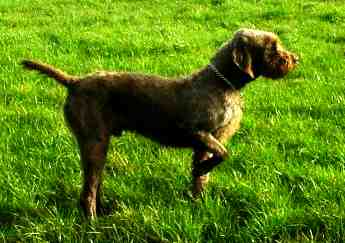




Main types and typical functions
- Pointers and setters — find and indicate the presence of game by stopping and directing their body toward the bird to allow the hunter to close and flush.
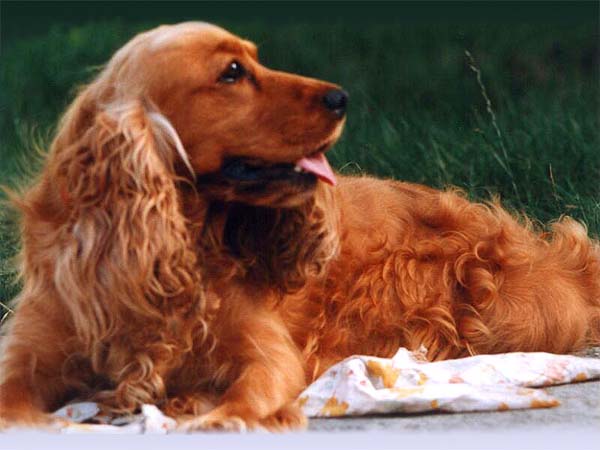
- Flushing dogs (often spaniels) — work closer to the gunner to flush birds into the open so they can be shot; they are mobile, responsive and resilient in cover.
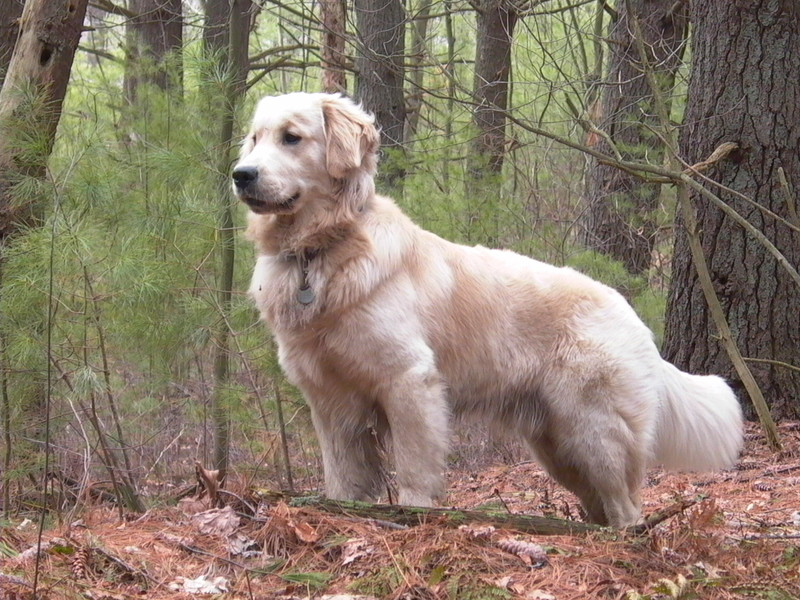
- Retrievers — trained to collect wounded or killed game and return it to the handler, frequently from water; they are bred for soft mouths and strong water instincts.
History and development
Gundogs developed over centuries alongside changes in hunting techniques and firearms. Selective breeding produced distinct types adapted to terrain and quarry: compact flushers for dense cover, long-striding pointers for open upland, and muscular retrievers for wetlands. Kennel clubs and field trial organisations have helped codify working standards and preserve functional traits while also influencing show-bred lines.
Representative breeds
Well-known examples illustrate the groups: many variations of Spaniel types as flushing dogs; the Golden Retriever and the Labrador as classic retrievers. Gundogs are commonly used to find birds and to recover game after a shot, and several breeds also perform in competitive field trials and working tests.
Training, care and modern roles
Training focuses on obedience, steady temperament around gunfire, scent discrimination, recall and specific retrieving or pointing behaviours. Early socialisation and incremental exposure to birds and gunfire reduce fear and build confidence. Modern gundogs also serve in search-and-rescue, detection work and therapy, where their scenting skills and trainability are valuable. Regular exercise, proper conditioning, and health screening (hips, eyes, cardiac checks where appropriate) are important for working longevity.
Selection, ethics and competition
Choosing a gundog means matching breed tendencies to terrain and hunting style: close-working spaniels for thick cover, long-range pointers for open ground, and water-savvy retrievers for marshes. Ethical hunting practices emphasise humane shot placement, prompt retrieval of wounded game, and responsible land stewardship. Kennel clubs commonly place these breeds in a Gundog or Sporting Group and support field trials that prioritise working ability over appearance.
Related articles
Author
AlegsaOnline.com Gun dog (gundog): roles, types, and training Leandro Alegsa
URL: https://en.alegsaonline.com/art/41416