
Labrador Retriever
Friendly, versatile gun dog known for a water-resistant coat, webbed feet, and adaptable temperament; popular family pet and working retriever used in assistance, sport and detection roles.
Overview
The Labrador Retriever, commonly called the Lab, is a medium-to-large breed valued for its friendly disposition, intelligence and retrieving instinct. Originally developed as a working gun dog, the Lab combines a strong desire to please with physical traits that make it an excellent swimmer and an efficient retriever of game. It is widely kept as a companion animal and used in many working roles; for general breed information see breed pages and for its traditional classification as a gun dog.
Image gallery
10 Images






Physical characteristics
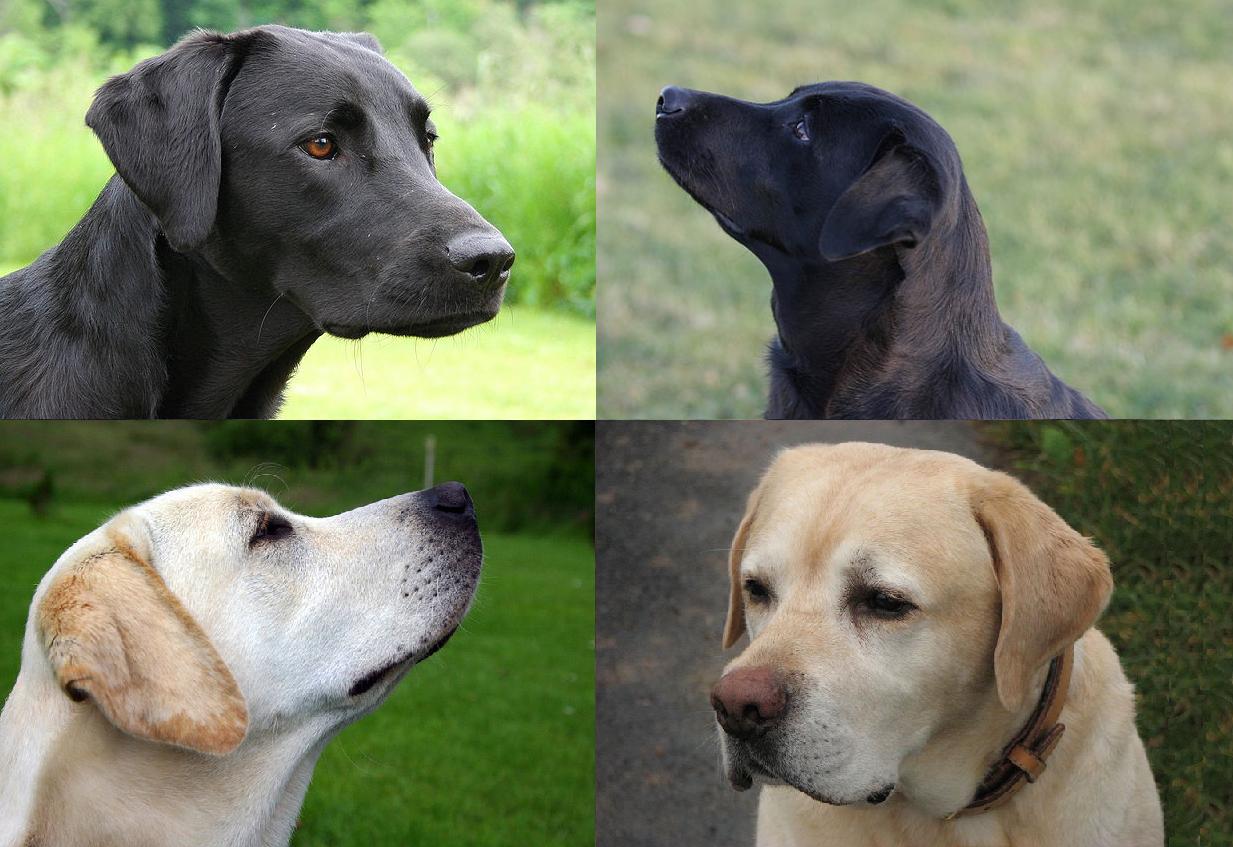
Labradors have a short, dense double coat that helps repel water and insulate against cold; detailed coat information is available at coat descriptions. Typical coat colors recognized by most organizations are black, yellow and chocolate, often referred to as black, yellow and chocolate. Other physical hallmarks include a broad head, expressive eyes, a powerful, muscled body and a thick tapering "otter"-like tail that helps when swimming; the tail is often discussed in breed notes at tail resources and in materials that describe how it functions as a rudder.
Coat, grooming and adaptations
The Lab’s double coat is weather resistant rather than hypoallergenic. Regular brushing reduces shedding and helps the topcoat and undercoat function efficiently. The breed’s feet show partial webbing between the toes which aids propulsion through water; information on swimming adaptations and webbed toes is available at swimming notes. Because the coat sheds seasonally, routine grooming is a normal part of ownership.
Temperament and behaviour
Labradors are typically outgoing, even-tempered and social. They form strong bonds with families, respond well to positive training methods and are usually good with children and other animals when properly socialized from a young age. The breed’s natural retrieving instinct makes them enthusiastic participants in games of fetch, water work and many dog sports. Their intelligence and eagerness to please make them well suited to formal training and to roles that require sustained focus and calm temperaments.
Exercise, training and lifestyle needs
Active households are a good match for a Lab. They require daily physical exercise and mental stimulation to prevent boredom, which can lead to destructive behaviour or gaining weight. Many Labs enjoy swimming, long walks, retrieving games and organised activities such as obedience, agility or dock diving; resources describing water work appear at water work guides. Proper early training, socialization and consistent routines help channel energy into constructive tasks.
History and development
The modern Labrador derives from working water dogs of Newfoundland and was refined by British breeders in the 19th century into the retriever type familiar today. Originally prized by fishermen and hunters for their ability to retrieve nets and game from cold water, the breed’s combination of nose work, a soft mouth and trainability led to its widespread adoption. For background on popularity and historical summaries see popularity studies and archived breed material at historical resources.
Roles, working uses and examples
Beyond companionship, Labradors are employed as guide and assistance dogs, search and rescue team members, and detection dogs for law enforcement and customs because of their temperament and trainability. They are also used in therapy programs and in sporting fields that emphasize retrieving and water work. Training programs and case studies of working Labs can be found through organisations linked with gun dog and working-dog networks as well as practical guides at water work and swimming training.
Health, care and common concerns
Common health considerations include inherited joint conditions such as hip and elbow dysplasia, certain eye disorders and a tendency toward excess weight without adequate exercise and portion control. Responsible breeders screen for hereditary conditions and many breed clubs publish health-testing recommendations. Owners can reduce risk through appropriate diet, controlled exercise and regular veterinary care; general care and weight guidance is discussed at care and weight management. The Lab’s tail and webbed feet are notable anatomical features often highlighted in breed education material (tail, rudder mechanics).
Choosing and living with a Labrador
Prospective owners should consider lifestyle, space and time for training and exercise before acquiring a Lab. Responsible acquisition includes researching reputable breeders who perform health testing, or considering rescue organisations. A well-matched Lab thrives with consistent training, socialisation and opportunities for work or play that satisfy their retrieving instincts and social needs. For further reading and practical resources see introductory materials at breed pages and general popularity and ownership resources at popularity.
Summary
The Labrador Retriever is a versatile, people-oriented breed suited to active families and a wide range of working roles. Its water-friendly coat, webbed feet and gentle temperament make it a reliable partner in sport, service and family life. Owners and trainers can find further guidance on coat care, training for water and detection work, and health management through the linked resources on coat information and exercise, including coat guides, water work, swimming resources, and practical advice on maintaining healthy weight and condition at weight management.
- Breed type: retriever / gun dog
- Common colors: black, yellow, chocolate
- Adaptations: water-resistant double coat (coat info), webbed feet (swimming), thick "otter" tail used as a rudder (tail notes)
- Care topics: exercise, training, screening for hereditary conditions and obesity prevention (obesity risks)
- Further resources: history and breed pages (origins), popularity and ownership guidance (popularity)
Questions and answers
Q: What breed of dog is a Labrador Retriever?
A: The Labrador Retriever is a breed of gun dog.
Q: Where are Labrador Retrievers popular as pets?
A: Labrador Retrievers are the most popular breed of dogs for pets in Australia, Canada, New Zealand, the United Kingdom, and the United States.
Q: What colors can a Labrador Retriever's coat be?
A: A Labrador Retriever's coat can be black, yellow, or brown.
Q: Are they easy to train?
A: Yes, they are very easy to train and naturally obedient.
Q: Do they require regular exercise?
A: Yes, Labradors do require regular amounts of daily exercise and are prone to obesity if not given enough activity.
Q: How do they swim?
A: They have webbing between their toes on their paws which helps them swim strongly like an otter with their unique tail acting as a rudder.
Related articles
Author
AlegsaOnline.com Labrador Retriever Leandro Alegsa
URL: https://en.alegsaonline.com/art/55237
Sources
- commons.wikimedia.org : Labrador Retriever
- ankc.aust.com : "National Registration Statistics" · web.archive.org
- ckc.ca : "The most popular 20 breeds of 2008"
- dogstuff.co.nz : "Most popular dog breeds in New Zealand"
- thekennelclub.org.uk : "2006 Top 20 Breed Registrations"
- akc.org : "AKC Dog Registration Statistics"
- tfh.com : "The Guide to Owning a Labrador Retriever"
- drumlanrig.co.uk : "The Buccleuch Labrador" · web.archive.org
- pslra.org : "FAQ Labrador Retrievers"