
Hadrosaur (Hadrosauridae) — the duck‑billed herbivorous dinosaurs
Hadrosaurs were diverse, common Late Cretaceous duck‑billed herbivores known for tooth batteries, toothless beaks, and, in some kinds, hollow crests; fossils found across North America, Europe and Asia.
Overview
Hadrosaurs, members of the family commonly called hadrosaurids, were a successful group of herbivorous dinosaurs famous for their duck‑like snouts. Often described as "duck‑billed" animals, they dominated many terrestrial ecosystems during the Late or Upper Cretaceous and are among the most commonly encountered dinosaur remains from that time.
Image gallery
10 Images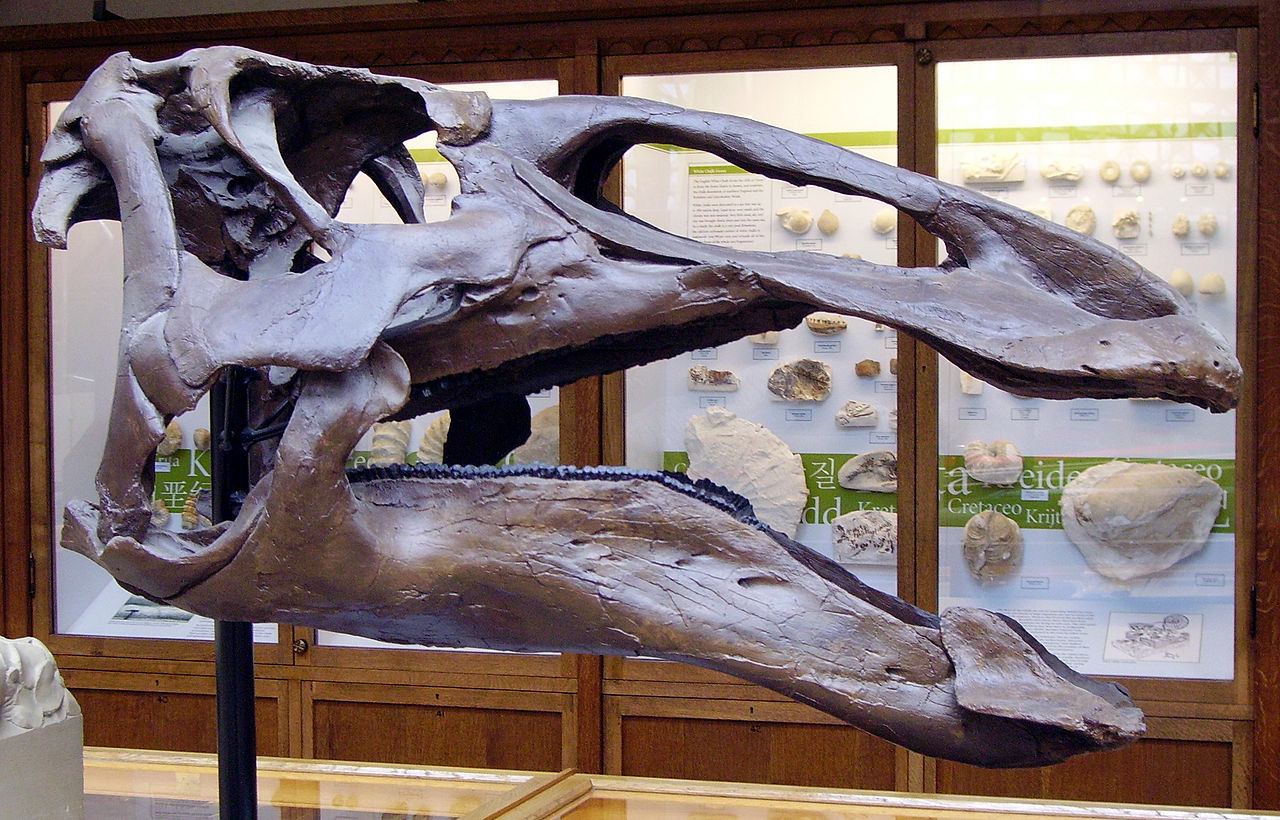

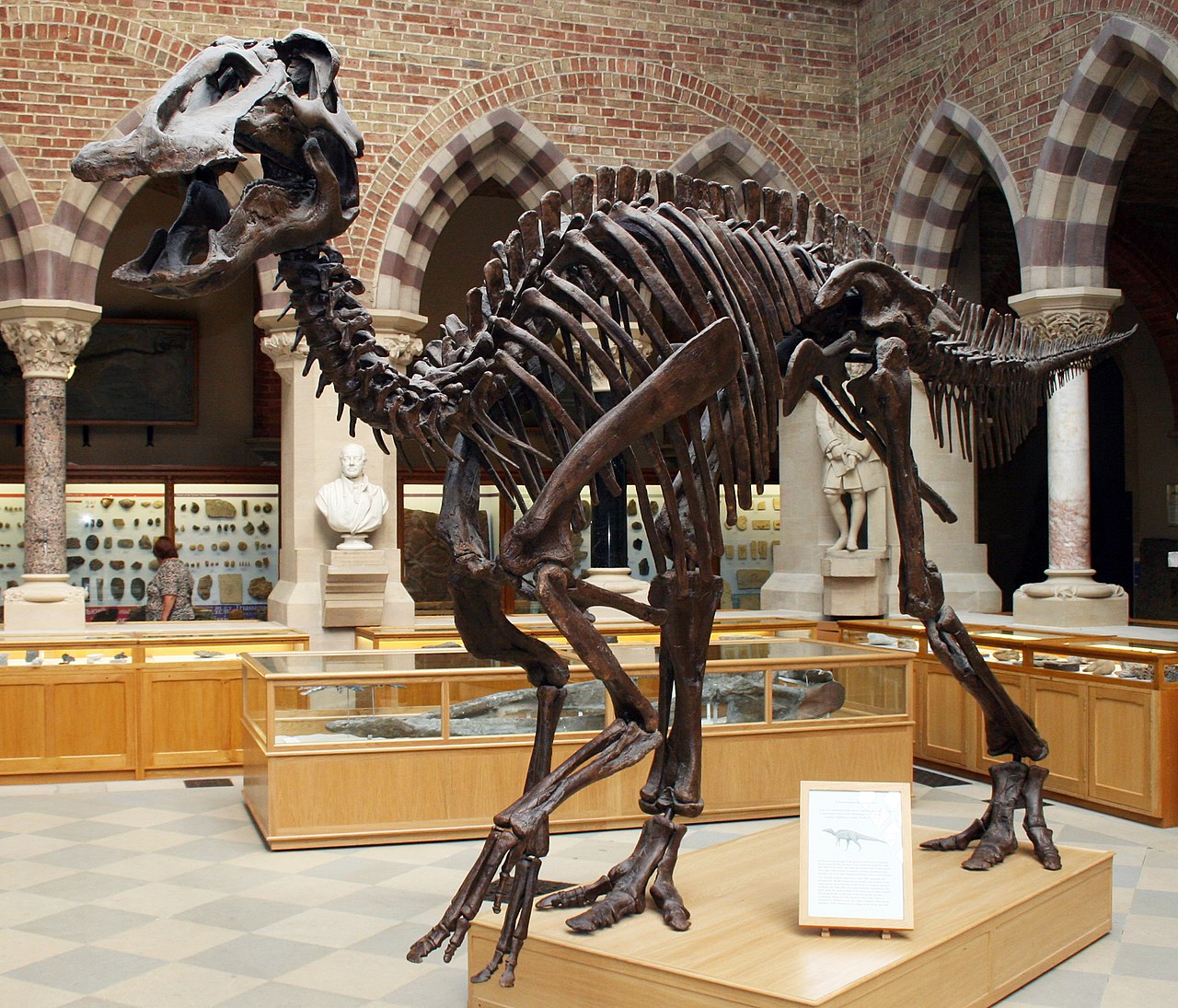


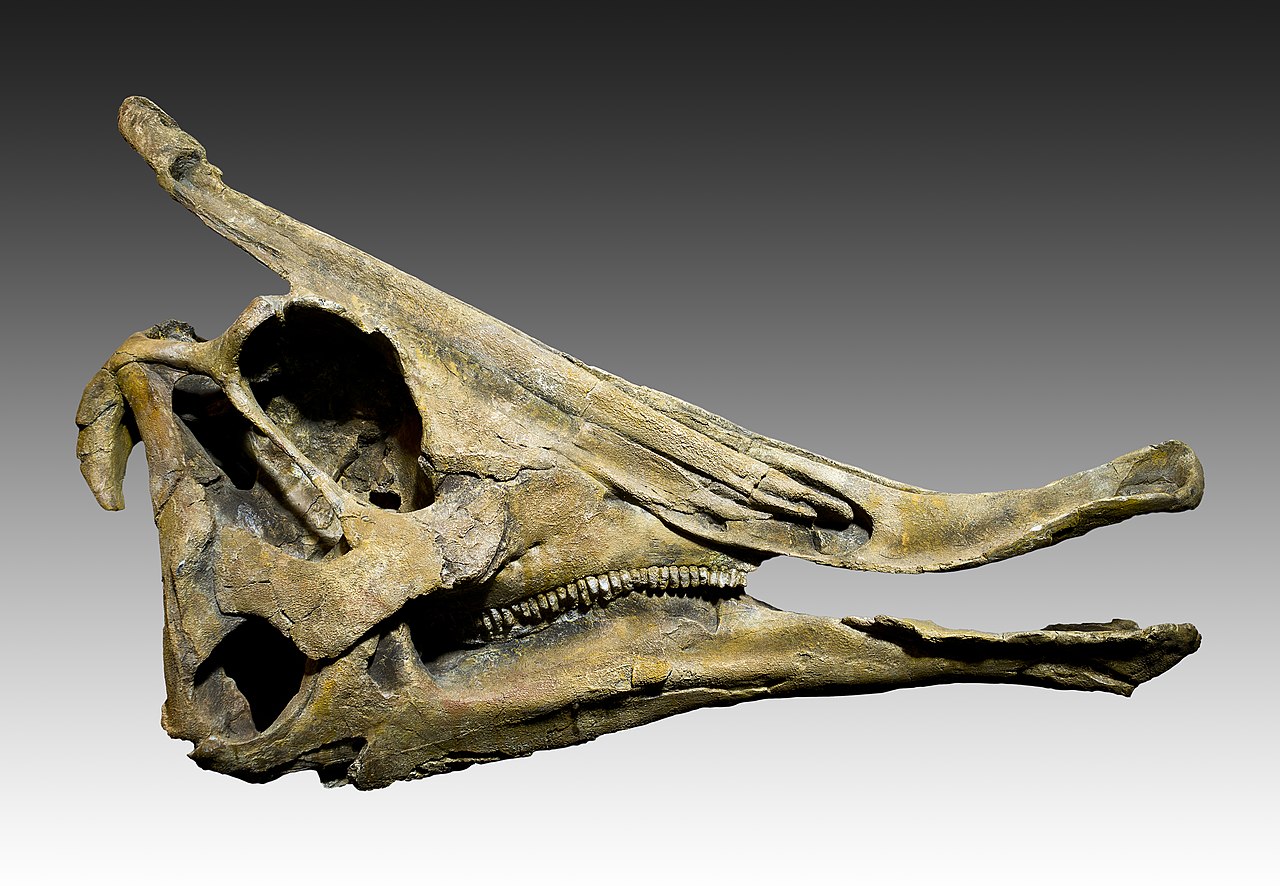

Physical characteristics
Hadrosaurs combined several distinctive traits that set them apart from other ornithopods. They had a keratinous, toothless beak at the front of the jaws (beak) and complex arrays of close‑packed grinding teeth in the cheeks (dental batteries) that could number in the hundreds. Body plans ranged from medium to very large, and many species could shift between bipedal and quadrupedal posture while moving or feeding.
- Size: species varied from relatively modest to over ten metres in length.
- Teeth: specialized for slicing and grinding plant material.
- Limbs: powerful hind limbs with shorter forelimbs used in locomotion and feeding.
Subgroups and crests
The family is commonly split into two informal subgroups: solid‑headed forms and crested forms. The crested group (often referred to in older literature as lambeosaurines) developed bony, sometimes hollow cranial crests that probably amplified sounds and served visual display. These structures are well preserved in many fossils and suggest complex social behavior.
Fossil record and distribution
Hadrosaur remains have been recovered from many parts of the world. Extensive finds of skeletons, bones beds and trackways come from North America, Europe and Asia. Their fossils (specimens) include adults, juveniles and nesting sites, providing insights into growth and life history. These discoveries show that hadrosaurs were widespread and often abundant in Late Cretaceous ecosystems.
Behavior, ecology and importance
Evidence from bonebeds, nesting colonies and wear patterns on teeth suggests hadrosaurs were gregarious, may have migrated in herds, and fed on a variety of plant foods. Their dental adaptations allowed efficient processing of tough vegetation, making them major primary consumers of their time. Because they were common and left abundant remains, hadrosaurs are important index fossils for understanding Late Cretaceous environments and vertebrate communities (ornithopod context).
Extinction and legacy
Hadrosaurs disappeared in the mass extinction event that ended the Cretaceous. Fossil evidence continues to refine knowledge of their diversity, biology and evolution. For introductions and further overviews see general paleontology resources and museum summaries (beak studies, family reviews, dental research, crest analyses, fossil catalogues).
Questions and answers
Q: What is a Hadrosaur?
A: Hadrosaur is a family of duck-billed herbivorous dinosaurs that were the most common dinosaurs in the long Upper Cretaceous.
Q: What does the term "Hadrosaur" mean?
A: The term "Hadrosaur" means "bulky lizards".
Q: What is the size range for Hadrosaurs?
A: Hadrosaurs ranged in size from 10 to 65 ft (3 to 20 m) long.
Q: What type of teeth did Hadrosaurs have?
A: Hadrosaurs had hundreds of cheek teeth in the sides of their jaws and had the most teeth of all dinosaurs, with up to about 960 cheek teeth.
Q: When did Hadrosaurs live?
A: Hadrosaurs lived during the later Cretaceous period.
Q: Where have the fossils of Hadrosaurs been found?
A: The fossils of Hadrosaurs have been found in North America, Europe, and Asia.
Q: Are Hadrosaurs herbivores or carnivores?
A: Hadrosaurs are herbivores, meaning they only ate plants.
Related articles
Author
AlegsaOnline.com Hadrosaur (Hadrosauridae) — the duck‑billed herbivorous dinosaurs Leandro Alegsa
URL: https://en.alegsaonline.com/art/41726
Sources
- cbc.ca : "Chinese scientists claim discovery of earth's largest dinosaur fossil site"
- reuters.com : (Reuters News) "Mummified dinosaur reveals surprises: scientists" 3 December 2007
- redorbit.com : "Mummified dinosaur may have outrun T. Rex"
- plosone.org : plosone.org/article/info:doi/10.1371/journal.pone.0031295