
Guitar Hero II (2006)
Guitar Hero II, the 2006 sequel to Guitar Hero, expanded the console rhythm-game formula with new songs, cooperative play and an influential guitar-shaped controller, helping popularize music games.
Guitar Hero II is a console rhythm video game that built on the mechanics of the original Guitar Hero and helped establish the series as a mainstream cultural phenomenon. Initially released for the PlayStation 2 on November 7, 2006, it later appeared on the Xbox 360 in April 3, 2007. The game centers on players matching colored notes with a fretboard-style, guitar-shaped controller to simulate performance of popular rock music.
Image gallery
4 Images
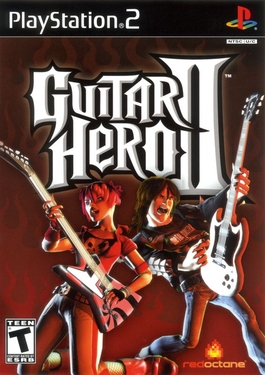


Gameplay and features
Guitar Hero II retains the core single-player career mode from its predecessor while adding several new features that broadened play options and challenge. Difficulty ramps with more complex note charts, and the game introduced cooperative two-player modes where one player handles lead guitar and the other rhythm. A responsive scoring system rewards sustained accuracy and performance techniques such as hammer-ons and pull-offs.
- Career progression: set lists, venues and boss battles against fictional bands.
- Multiplayer: competitive and cooperative modes for two players.
- Control: use of a specialized controller to mimic guitar fingering and strumming.
- Scoring mechanics: star power, combos and overdrive-style boosts.
Soundtrack and presentation
The soundtrack mixes cover recordings and master tracks spanning classic and modern rock. Notable artists represented in the set list include Aerosmith, Nirvana, Foo Fighters, Rage Against the Machine and Guns N' Roses. Songs were chosen to provide varied tempos and technical demands so players could experience a breadth of styles while progressing through difficulty tiers.
Visually, the game uses stylized stage backdrops and character avatars to simulate a concert experience, while the instrument peripheral remains central to immersion. The approachable control scheme combined with challenging higher difficulties made the title accessible to newcomers and rewarding to skilled players.
Guitar Hero II influenced later rhythm games and the broader popularity of music peripherals in the mid-2000s. For more details about modes, peripheral compatibility and legacy, consult the official site or contemporary coverage and community hubs. The title remains a reference point for discussions about design choices that made rhythm games a mainstream entertainment category.
Related articles
Author
AlegsaOnline.com Guitar Hero II (2006) Leandro Alegsa
URL: https://en.alegsaonline.com/art/41324