
Guernsey: Channel Island — geography, government, history, and economy
Guernsey is a self-governing Crown dependency in the English Channel. This article outlines its location, constitutional status, history, economy, and cultural distinctives.
Overview
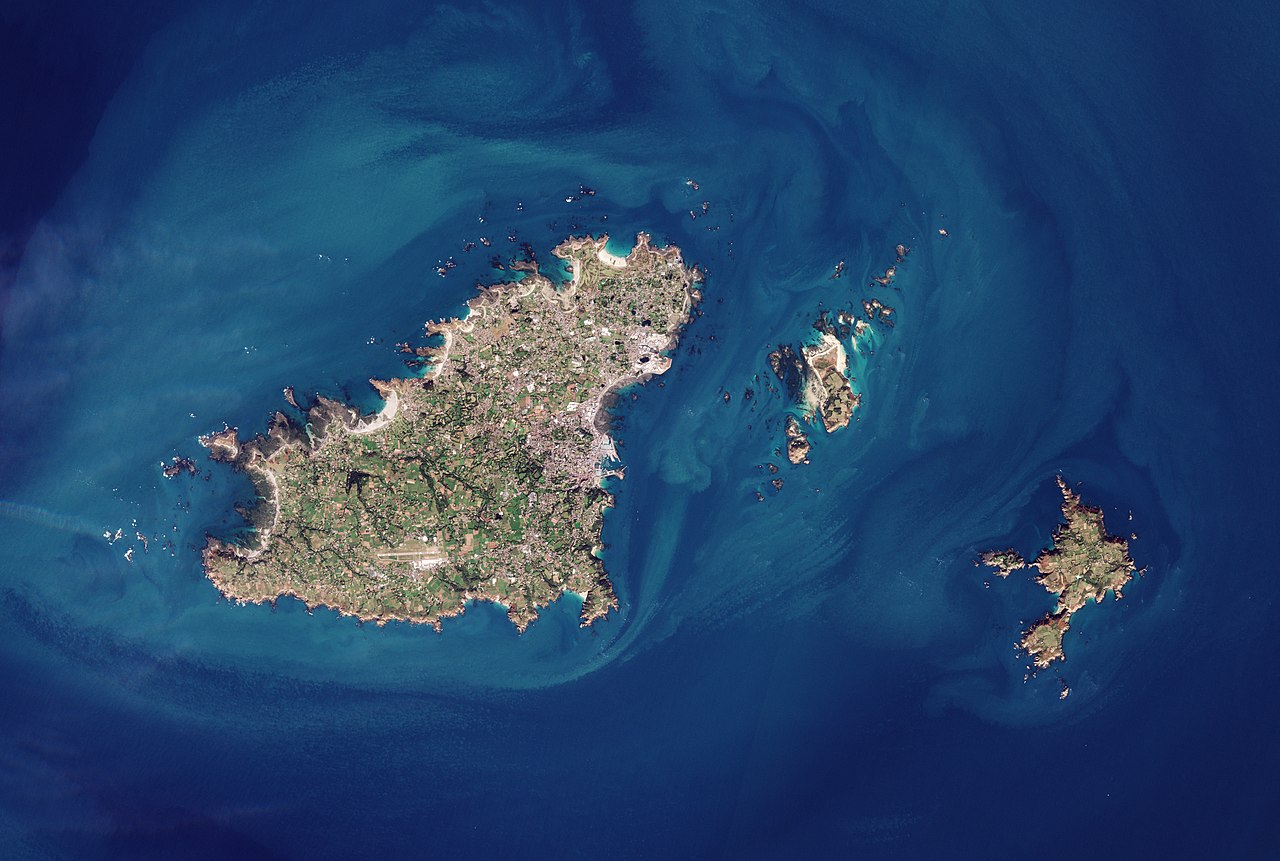
Guernsey is a small island in the English Channel, situated off the coast of Normandy. It is the principal island of the Channel Islands and serves as the administrative centre of the Bailiwick of Guernsey. The island is home to a compact, largely coastal population of roughly sixty‑five thousand people and combines rural, residential and built-up areas around a few towns and villages.
Image gallery
10 Images




Geography and transport
Guernsey has a varied coastline of cliffs, bays and sheltered beaches. The interior features agricultural land, hedgerows and small wooded areas. Its mild, maritime climate makes it greener in winter and pleasantly warm in summer compared with many parts of Britain. Regular ferry services and a local airport connect Guernsey to neighbouring islands, the United Kingdom and the French coast; road and bus networks serve the island itself.
Constitution, law and government
Guernsey is a Crown dependency: it is not part of the United Kingdom but the British monarch is head of state, represented on the island by local officials. The island has its own parliament (the States of Guernsey), domestic legislation and courts. This autonomy extends to areas such as taxation and financial regulation, which are administered locally and differ from UK arrangements; see more on taxation.
History
Historically tied to the Duchy of Normandy, Guernsey remained loyal to the English crown after continental Normandy separated from English rule in the 13th century. The island's history includes medieval maritime activity, frequent contact with both Britain and France, and a memorable period of German occupation during the Second World War, which shaped much of its twentieth‑century memory and commemorative culture.
Economy and society
Guernsey's economy mixes financial services, tourism, light industry and agriculture. The finance sector, including banking, fund administration and insurance, is a leading employer and is supported by a regulatory framework tailored to the island's size. Tourism remains important, with visitors attracted by coastal scenery, historic towns and local produce. English is the everyday language, while the Norman-derived dialect Guernésiais survives in cultural contexts.
Notable features and distinctions
- Distinct constitutional status as a self-governing Crown dependency with its own legal system.
- Strong Norman cultural heritage and local dialects alongside modern British influences.
- Strategic location between Britain and France has shaped its economy and history.
- Local government institutions and responsibilities are separate from those of the UK, including fiscal policy; see the British monarch for the head-of-state role.
Related articles
Author
AlegsaOnline.com Guernsey: Channel Island — geography, government, history, and economy Leandro Alegsa
URL: https://en.alegsaonline.com/art/41233