
Guiana Shield: geology, highlands, biodiversity and human uses
Precambrian craton in northeast South America noted for ancient rocks, tepui table mountains, high biodiversity, mineral wealth and important river headwaters across several countries.
The Guiana Shield is an ancient geological craton of northeast South America that underpins parts of several modern countries. It forms a stable block of very old metamorphic and igneous rocks that rise above surrounding lowlands and shape the northern margin of the continent. The region is often described as a distinct physiographic and ecological province within northeast South America.
Image gallery
9 Images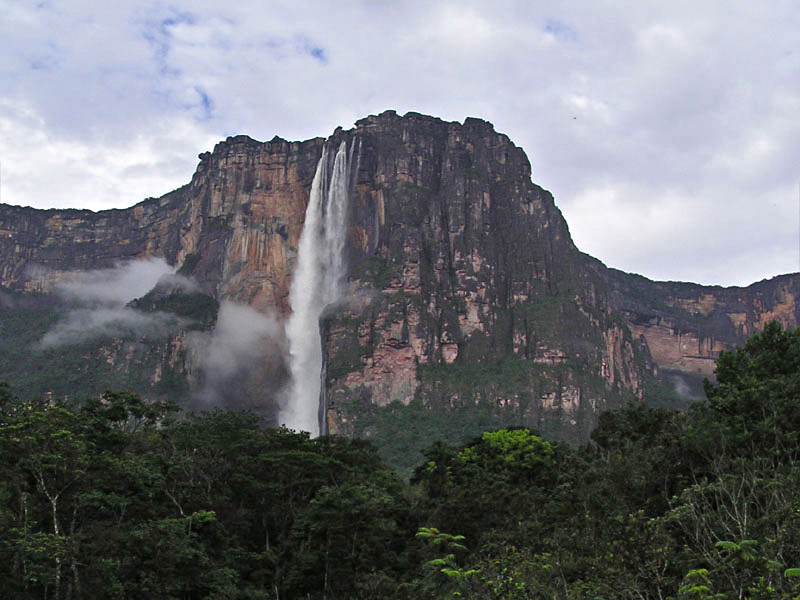



Geology and structure
The foundation of the Shield is Precambrian in age and contains rocks formed more than a billion years ago. It is recognized as one of the principal cratonic units, alongside other major South American shields and platforms, and interacts with the surrounding South American plate dynamics (craton, plate tectonics). The Shield is characterized by complexes of granite, gneiss and older metamorphosed sediments and has been subject to long-term erosion and occasional reworking since the Precambrian era. Sedimentary cover and later volcanic deposits occur in places, but the core remains a very old geological formation (geological formation).
Highlands, tepuis and distinctive landforms
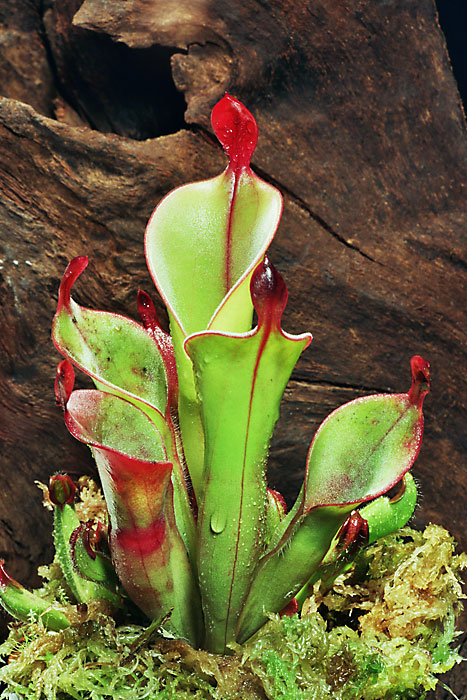
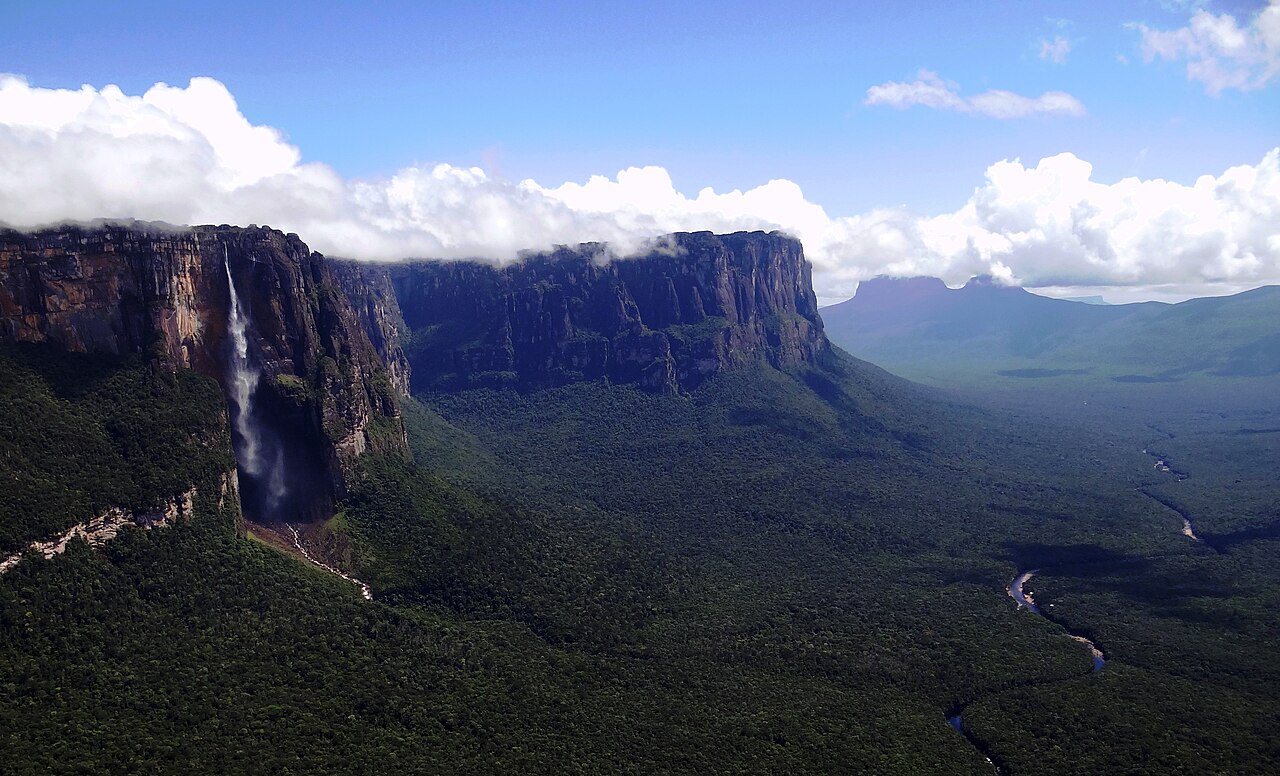
Rising portions of the Shield form the Guiana Highlands, where erosion resistant sandstones produce flat-topped mesas and dramatic table mountains known as tepuis. These isolated plateaus have sheer cliffs and host unique micro-environments. Examples of their dramatic scenery and hydrology are well known: some tepuis feed large waterfalls and are associated with iconic sites such as Angel Falls on Auyán-tepui. Visitors and researchers travel to see the tepui summits and their unusual flora (mesas, table mountains, tepuis).
Biodiversity and ecosystems
The Shield supports a mosaic of ecosystems: upland forests, savannas, wetlands and river headwaters. Long isolation of tepui plateaus has produced high levels of endemism in plants, amphibians and invertebrates. Lowland and montane forests serve as important carbon sinks, and the area contains extensive tracts of relatively intact tropical forest that are important for regional climate and biodiversity.
Human uses, resources and conservation
- Natural resources: the Shield contains deposits of gold, diamonds, bauxite and other minerals that have been exploited at various scales.
- Watersheds: many major rivers have headwaters on the Shield, supplying water and sediments to downstream ecosystems and communities.
- Culture and tourism: indigenous peoples have long inhabited parts of the region; national parks and ecotourism centered on tepuis and waterfalls attract international visitors.
- Conservation: protected areas exist to conserve unique landscapes and species, but mining, logging and infrastructure development pose ongoing management challenges.
The Guiana Shield is therefore important both as a record of Earth's deep geological history and as a living region of exceptional ecological value. For geographic, geological and conservation information about the area and its communities, see regional and scientific references, national park materials and geological surveys (regional overview, craton studies, plate context, Precambrian research, formation summaries, mesa descriptions, table mountain notes, tepui guides).
Questions and answers
Q: What is the Guiana Shield?
A: The Guiana Shield is a geographic region found in northeast South America. It is one of the three cratons of the South American Plate and is a 1.7 billion-year-old Precambrian geological formation that forms part of the South American northern coast.
Q: How old is the Guiana Shield?
A: The Guiana Shield is 1.7 billion years old.
Q: What are tepuis?
A: Tepuis are mesas or "table" mountains found in the higher elevations on the region, which are called the Guiana Highlands.
Q: Where can you find the Guiana Shield?
A: The Guiana Shield can be found in northeast South America, as part of one of three cratons on the South American Plate.
Q: What type of geological formation does it form?
A: The Guiana Shield forms part of a Precambrian geological formation.
Q: What plate does it belong to?
A: The Guiana Shield belongs to the South American Plate.
Q: Where are tepuis located within this region? A:Tepuis are located in higher elevations on this region, known as the Guiana Highlands
Related articles
Author
AlegsaOnline.com Guiana Shield: geology, highlands, biodiversity and human uses Leandro Alegsa
URL: https://en.alegsaonline.com/art/41254
Sources
- cabi.org : Tropical Forests of the Guiana Shield
- botany.si.edu : "Checklist of the Plants of the Guiana Shield (Venezuela: Amazonas, Bolivar, Delta Amacuro; Guyana, Surinam, French Guiana)"
- saladeimprensa.ibge.gov.br : "Geociências: IBGE revê as altitudes de sete pontos culminantes"
- peakbagger.com : "Pico da Neblina, Brazil"
- santa-elena.climatemps.com : "Santa Elena Climate & Temperature"
- summitpost.org : "Guiana Highlands"
- botany.si.edu : "Checklist of the Terrestrial Vertebrates of the Guiana Shield"