
Normandy — northern France: history, geography and significance
Normandy is a coastal region of northern France known for its Viking origins, the medieval Duchy of Normandy, distinctive landscapes and cuisine, and as the site of the D-Day landings in World War II.

Overview
Normandy is a region in the north of France that combines a maritime coastline, fertile farmland and a rich historical legacy. Its French name is often written as Normandie. The area has been shaped by centuries of migration, trade and warfare and today attracts interest for both its cultural heritage and its role in modern European history. It lies in northern France and includes cities, small towns and a mix of coastal and inland landscapes.
Image gallery
10 Images




Landscape and administration
Normandy's terrain ranges from chalk cliffs and sandy beaches along the English Channel to bocage hedgerows and pastures inland. Administratively the historical provinces were reorganized into departments and, more recently, former Upper and Lower Normandy were combined into a single region. The city of Rouen has long been an important regional center, noted for medieval architecture and riverside trade.
Origins and medieval development
The name "Normandy" derives from settlement by seafaring Norsemen, commonly called Vikings. These settlers, often referenced as "Northmen," established a presence in the ninth and tenth centuries. A local leader named Rollo negotiated land and authority with the Frankish king, and over time the territory developed into the Duchy of Normandy. The duchy became influential in medieval Europe and famously provided the force that conquered England in 1066, an event that tied Normandy closely to British history.
World War II and modern significance
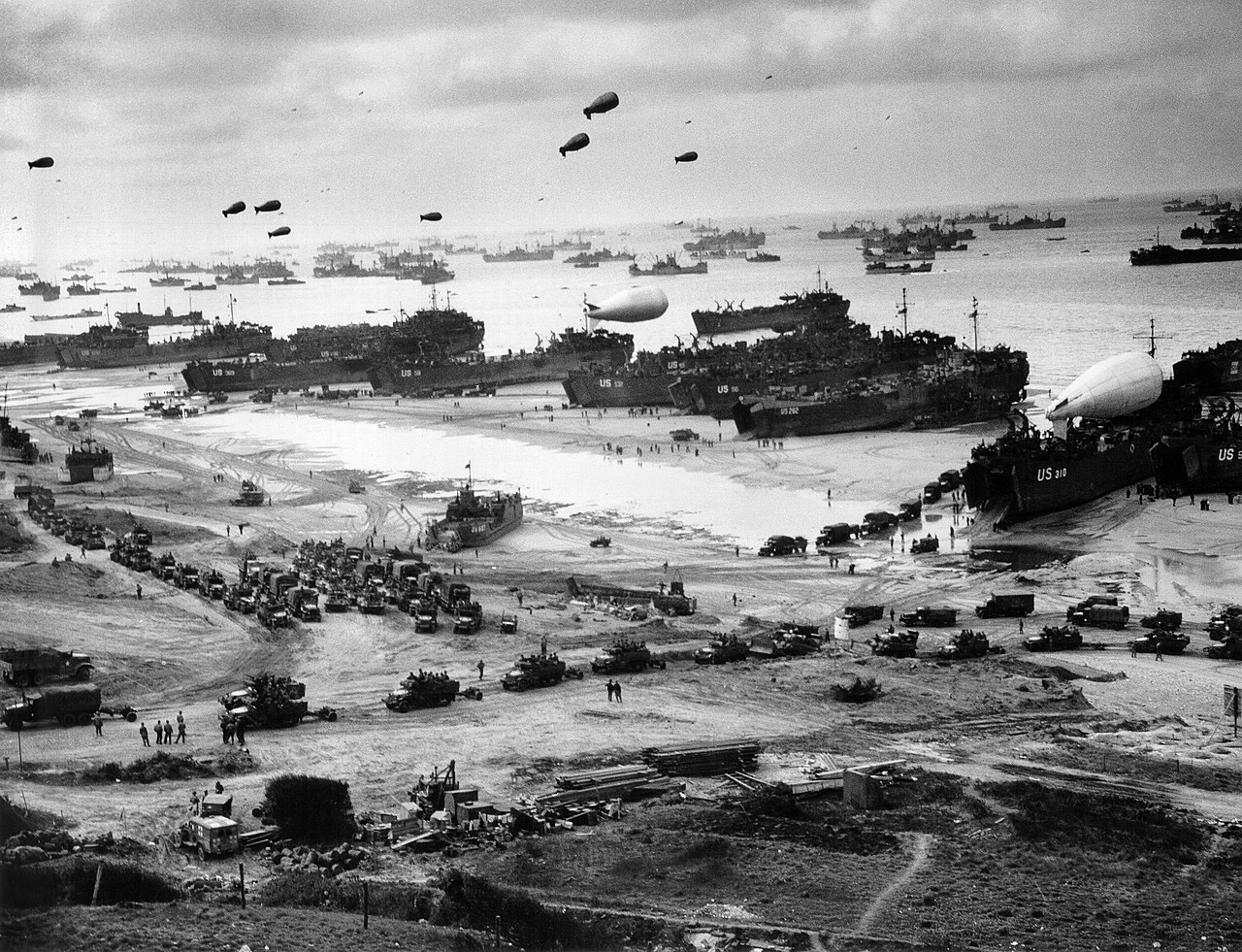
Normandy is internationally known as the location of the Allied invasion of France during World War II. On D‑Day, Allied forces launched amphibious and airborne landings that began the large-scale liberation of continental Europe. The campaign, known as the Battle of Normandy, marked the start of efforts to free Europe from occupation by Nazi Germany. Many visitors come to see the beaches and memorials associated with the invasion; the campaign is also often described simply as the Allied invasion or D‑Day.

Culture, economy and notable features
Normandy's economy combines agriculture, tourism and industry. The region is known for apple orchards, dairy products and cheeses such as Camembert, plus a tradition of cider and apple brandy. Architectural features include timber-framed houses, stone churches and coastal forts. Points of interest span natural sites, medieval towns and preserved World War II landmarks, making the region important for both national memory and everyday life in France.
Key facts and distinctions
- Origins: settlement by Norse "Northmen" (Vikings).
- Medieval importance: formation of the Duchy of Normandy and links to England.
- Modern prominence: site of the 1944 D‑Day landings and the Battle of Normandy.
- Distinctive culture: cuisine, landscapes and architectural heritage.
For further reading and resources see regional histories and visitor guides; online and printed materials are widely available for deeper study.
Normandie — northern France — Vikings — Rouen — Rollo — Allied invasion — World War II — Europe — Nazi Germany
Questions and answers
Q: What is the region in northern France called?
A: The region in northern France is called Normandy.
Q: Who are people from Normandy referred to as?
A: People from Normandy are referred to as Normans.
Q: How did the name 'Normandy' originate?
A: The name 'Normandy' originated from the conquest and subsequent settlement of the area by a group of people known as "Northmen" or Vikings, led by Rollo.
Q: What is Normandy famous for?
A: Normandy is famous for being the location of the Allied invasion of France during World War II (See D-Day).
Q: What was the Battle of Normandy?
A: The Battle of Normandy was the beginning of the Allied invasion and liberation of Europe from Nazi Germany.
Q: Who were Northmen also known as?
A: Northmen were also known as Vikings.
Q: Who led the group that settled at Rouen and became Normans? A: The group that settled at Rouen and became Normans was led by Rollo.
Related articles
Author
AlegsaOnline.com Normandy — northern France: history, geography and significance Leandro Alegsa
URL: https://en.alegsaonline.com/art/70770