
Guerrero (state)
Guerrero is a coastal state in southwestern Mexico with rugged mountains, Pacific beaches and a diverse population. Its capital is Chilpancingo and its best-known city is Acapulco.
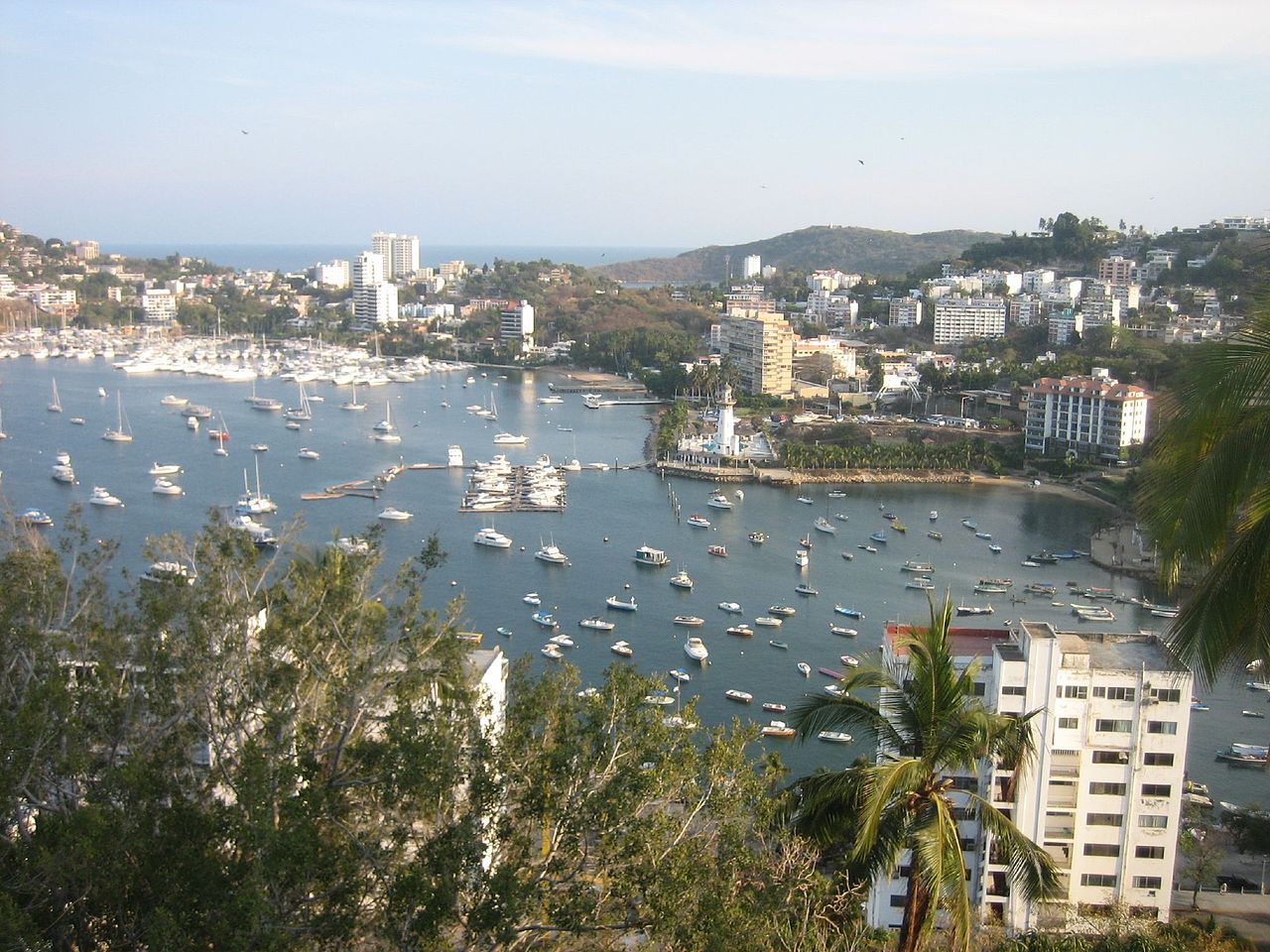
Guerrero is a state on Mexico's Pacific coast in the country's southwest. It combines a long shoreline, a coastal plain and the higher elevations of the Sierra Madre del Sur. The state capital is Chilpancingo and the best-known city is Acapulco, historically one of Mexico's main ports and tourist destinations. The population is roughly three million people, and the territory is noted for its cultural diversity and scenic contrasts.
Image gallery
10 Images



Geography and population
Topographically Guerrero ranges from sandy beaches and bays to steep, forested mountains. Coastal areas favor tourism and fishing, while the interior supports agriculture and small-scale ranching. Several indigenous communities live in the state: groups commonly identified include the Nahua, Mixtec, Tlapanec (Me'phaa) and Amuzgo peoples, each with distinct languages and traditions.
History and name
The region was inhabited in pre-Columbian times by a variety of cultures and later became subject to Spanish colonial administration. The modern state was created in the nineteenth century and was named in honor of Vicente Guerrero, an important leader in Mexico's independence movement. Colonial legacies, evangelical and indigenous influences all shaped local settlement and land use.
Economy, culture and tourism
Economic activities include tourism, especially along the Acapulco and Ixtapa-Zihuatanejo corridors, agriculture (corn, coffee, fruit) and some mining. Local crafts, music and festivals reflect a mix of indigenous and mestizo traditions. Guerrero attracts visitors for its beaches, bays and cultural events, though economic development varies greatly between coastal resorts and inland communities.
Notable facts and challenges
- Acapulco was once Mexico's most famous seaside resort and remains a major port and tourist draw.
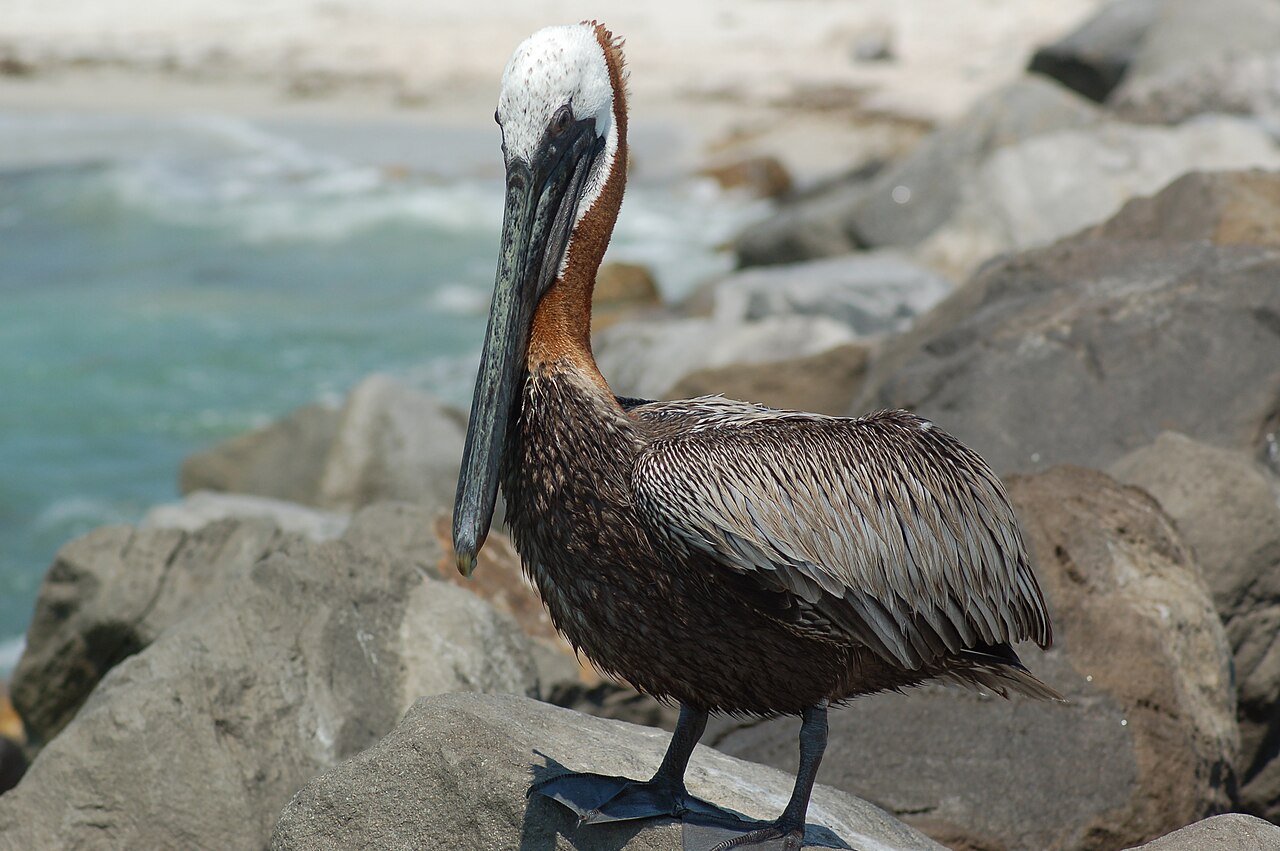
- The state contains important biodiversity in coastal and montane ecosystems.
- Guerrero faces social and economic inequalities and regional security challenges that affect development.
- For official information see the state government page and for visitor resources consult tourism information.
Related articles
Author
AlegsaOnline.com Guerrero (state) Leandro Alegsa
URL: https://en.alegsaonline.com/art/41239