
Ground meat (minced meat): types, uses, safety, and handling
Ground meat—also called minced meat—is meat finely chopped for cooking. This article explains common types, grinding methods, culinary uses, nutrition, food-safety rules, storage, and buying tips.
Ground meat, often called minced meat, is meat that has been finely chopped by a meat grinder, food processor, or knife. Rather than a single cut, ground meat is typically a blend of trimmings and muscle from one or more parts of the animal; grinding changes texture and increases surface area, which affects flavor absorption, tenderness, and cooking behavior.
Image gallery
6 Images
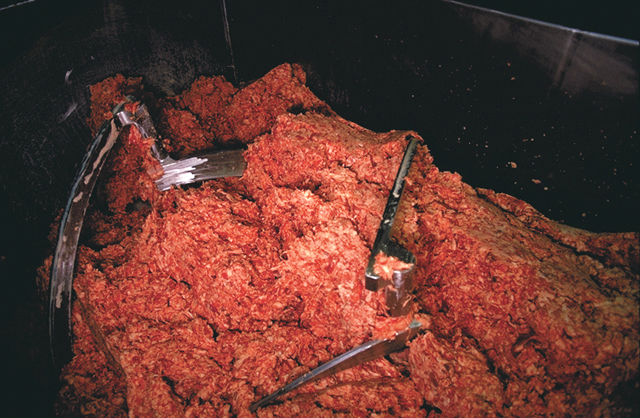


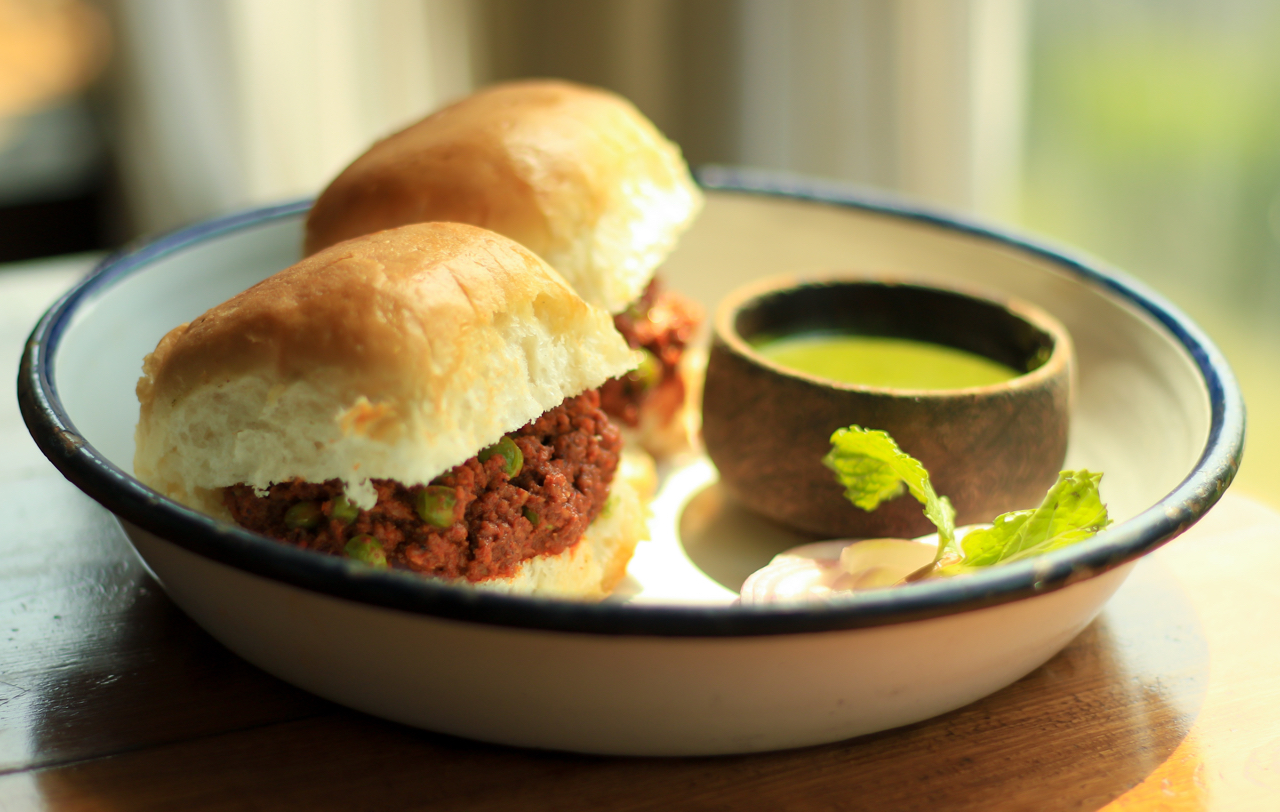
Characteristics and common types
Ground meat is sold from a variety of animals: beef, pork, lamb, veal, poultry (chicken or turkey), and game. Each type differs in flavor, fat content and culinary use. Retail ground meat is often labeled by fat level (for example, extra-lean, lean, or regular), and typical fat proportions vary widely depending on the cut and processing. Fat content influences juiciness, shrinkage and the final flavor of prepared dishes.
Preparation and grinding methods
Grinding can be done to different degrees of coarseness. A single pass produces a coarser grind; a second pass yields a finer, more uniform texture. Commercial producers may mix cuts to obtain consistent fat ratios. Home cooks use dedicated grinders, food processors, or pass meat through a coarse then fine plate. Seasonings, binders or curing agents can be added after grinding depending on the recipe.
Food safety and storage
Because grinding exposes interior meat to the surface, bacteria present on one piece can spread through the batch. For that reason, ground meat requires careful handling. Refrigerate promptly and use quickly; if not used within a day or two, freeze. Thaw in the refrigerator rather than at room temperature to limit bacterial growth. The United States Department of Agriculture (USDA) recommends cooking ground beef to 160°F (71°C) and ground poultry to 165°F (74°C) to ensure safety.
Culinary uses and examples
Ground meat is versatile across cuisines. Common preparations include hamburgers and sliders, meatballs, meatloaf, sausages (where seasonings and casings are added), Bolognese and other ragù sauces, tacos, kebabs, and stuffed vegetables. The fine texture allows quick, even cooking and easy flavor blending; different fat levels are chosen for specific recipes (fattier blends for burgers, leaner for sauces).
Buying, nutrition, and distinctions
When buying ground meat, choose reputable sources, check the sell-by date and packaging, and note color and smell—fresh beef often appears bright red on the surface because of oxygen exposure, while deeper interior color may vary. Nutrition depends on species and fat content: ground poultry tends to be lower in saturated fat than red meats, while fattier beef blends provide more calories and carrying flavor. Ground and minced are often used interchangeably, but some cooks distinguish a finer “ground” from a chunkier “mince.”
Practical tips and noteworthy facts
- For maximum control, grind meat at home from whole cuts to choose cut and fat level.
- Minimize cross-contamination by washing hands and surfaces after contact with raw ground meat.
- Freeze in portioned packages to avoid repeated thawing; label with date.
- For more on storage and safe handling practices, see official guidance and resources.
Related articles
Author
AlegsaOnline.com Ground meat (minced meat): types, uses, safety, and handling Leandro Alegsa
URL: https://en.alegsaonline.com/art/41033
Sources
- commons.wikimedia.org : Minced meat
- thesaurus.net : thesaurus.net