
Grateful Dead: American rock band known for improvisation and devoted fans
American rock band formed in 1965, the Grateful Dead blended psychedelic rock, folk, blues and country, built a devoted 'Deadhead' community and became renowned for long improvisational live performances.
Overview
The Grateful Dead were an American rock band that formed in Palo Alto, California, United States in the mid-1960s. Rather than relying on a string of radio singles, they became best known for lengthy, improvisational live performances and a fluid repertoire that drew on many American musical traditions. Their audience—self-styled "Deadheads"—helped create a participatory concert culture that continues to influence popular music presentation and fan communities.
Image gallery
10 Images


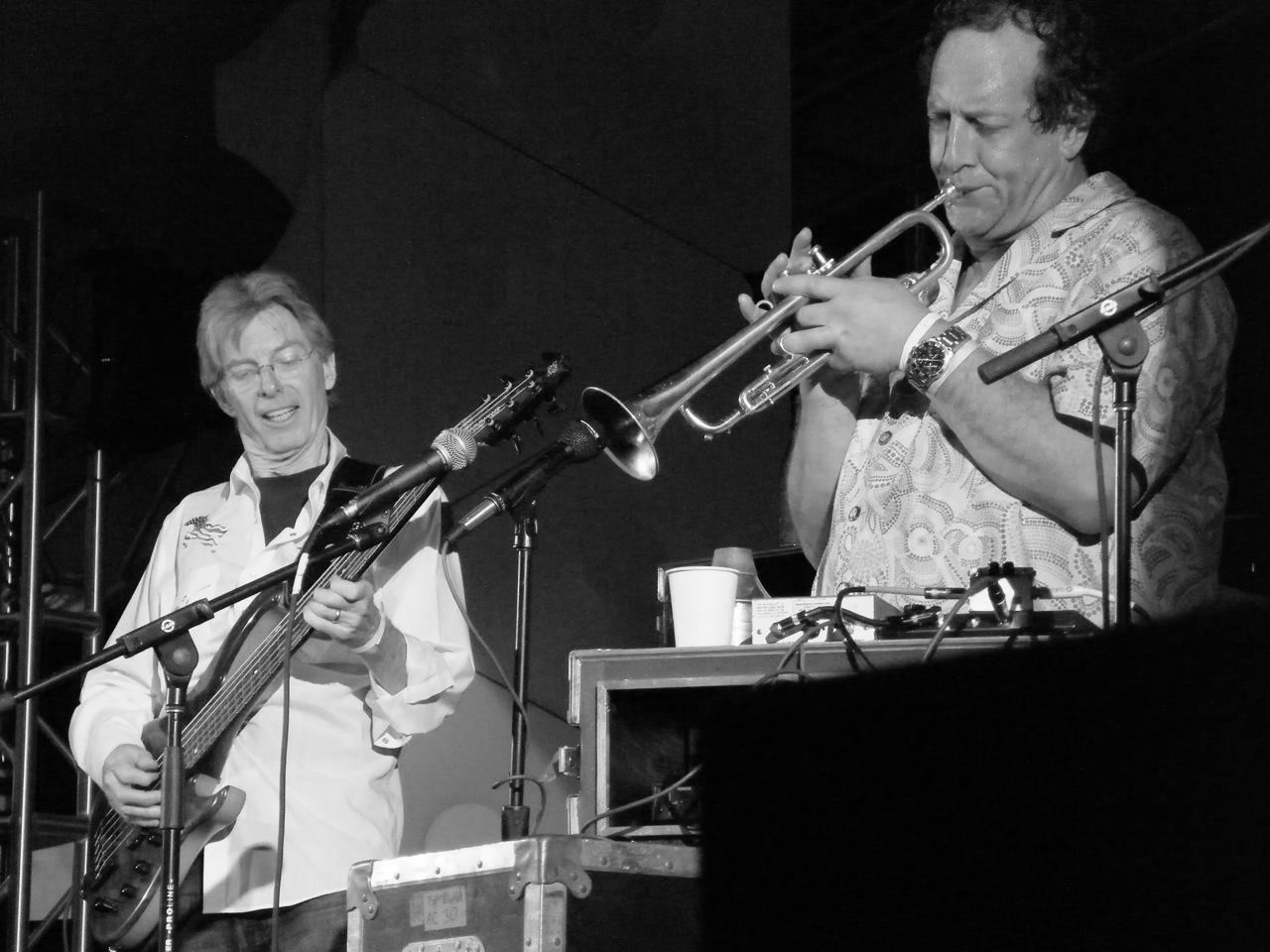


Musical style and imagery
The band's sound fused elements of psychedelic rock with blues, country, folk and bluegrass, producing extended jams that could stretch a song into exploratory improvisation. Their work is often discussed alongside 1960s counterculture—linked in popular memory to hippie ideals and, more controversially, to recreational drug use—though the band's musical identity remained distinct from any single social movement. Visually, the group became associated with iconic artwork and logos such as dancing bears and skull motifs that appear on concert posters and merchandise.
Members and development
Early and long-standing members included Jerry Garcia (lead guitar and vocals) alongside Bob Weir (guitar, vocals), Phil Lesh (bass guitar), Ron "Pigpen" McKernan (vocals and keyboards, harmonica) and Bill Kreutzmann (drums). Pigpen's contributions on keyboards and the harmonica in the band's first years gave their sound a gritty blues edge. Over time the lineup evolved to include other keyboardists and percussionists; members such as Mickey Hart, Keith and Donna Godchaux, Brent Mydland and Vince Welnick each shaped the group's musical directions during different eras.
Live performance and fan culture
Concerts were central: shows often featured extended improvisation, song segues and set lists that varied from night to night. The Grateful Dead tolerated and indirectly encouraged fans to record performances; these audience recordings circulated widely and became a core part of the band's culture. This practice helped foster a tight-knit community of tapers and traders whose devotion extended beyond formal fandom into a near-communal sharing of music and concert experiences.
Legacy and recognition
The Grateful Dead's influence reaches across rock, jam-band, and festival traditions. They have been acknowledged by institutions and critics: the band was inducted into the Rock and Roll Hall of Fame and has been cited among the most enduring and idiosyncratic American rock acts of the 20th century. Commercially and culturally their reach was substantial—tens of millions of records sold worldwide and concerts attended by multiple generations of listeners—yet their most enduring achievement is the live, improvisational model and the fan community that sustained it.
Notable distinctions
- Unusually long-running lineup continuity in the founding members during their first decades.
- A permissive attitude toward audience recording that created one of popular music's first large-scale fan-driven archives of live performance.
- Artwork and visual motifs that became as recognizable as the music itself.
For further reading on their early years, concert practices and cultural impact, see accounts of the San Francisco music scene of the 1960s and subsequent histories that place the Grateful Dead in the broader story of American popular music. Source materials and fan-maintained archives continue to document the band's many concerts and evolving repertoire.
Concerts | Band overview | Formation | California roots | United States context | Counterculture | Drug culture | Psychedelia | Blues influences | Country influences | Folk influences | Bluegrass influences | Artwork and logos | Hall of Fame | Bob Weir | Phil Lesh | Keyboards | Harmonica
Related articles
Author
AlegsaOnline.com Grateful Dead: American rock band known for improvisation and devoted fans Leandro Alegsa
URL: https://en.alegsaonline.com/art/40378