
Bob Weir (American musician)
American singer, songwriter and guitarist best known as a founding member of the Grateful Dead; noted for his rhythm guitar style, songwriting, and continued leadership in post‑Dead projects.
Robert Hall "Bob" Weir (born October 16, 1947) is an American singer, songwriter, and guitarist whose career began in the San Francisco Bay Area. He is best known as a founding member of the Grateful Dead, the influential rock and improvisational band formed in the 1960s, and he was born in San Francisco.
Image gallery
10 Images


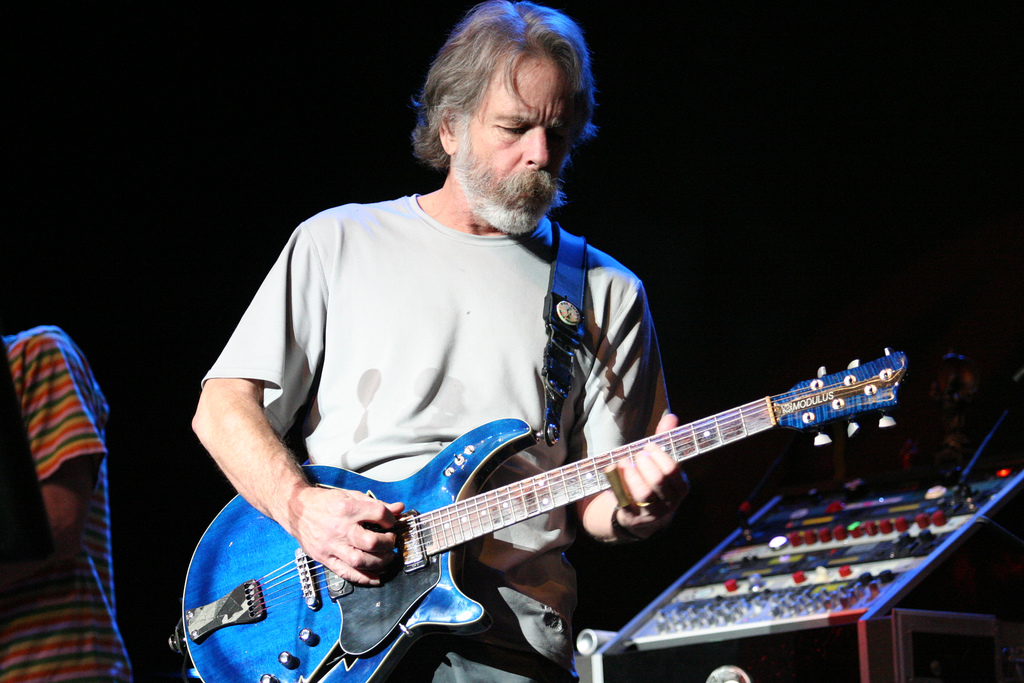


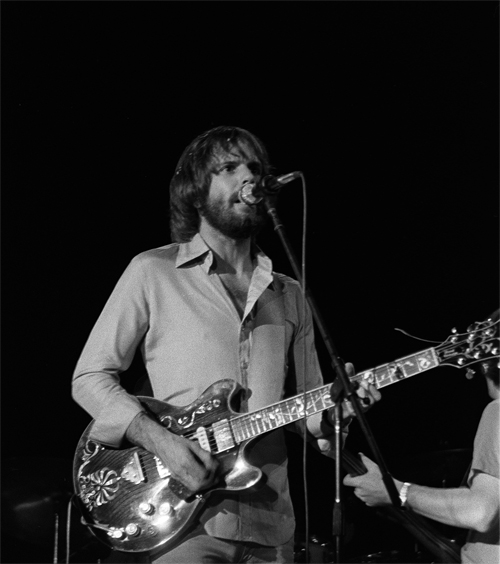


Overview
Weir's role in the Grateful Dead combined rhythmic guitar work, distinctive vocal contributions and songwriting. Rather than focusing on lead guitar solos, his approach emphasized inventive chord voicings, interlocking rhythm parts and dynamic stage interplay. Over decades he sang lead on many of the band's songs and contributed material that became part of the group's core repertoire.
Musical style and contributions
Weir is frequently noted for a rhythmic, syncopated guitar technique that supports extended improvisation without dominating the ensemble sound. His compositions and arrangements helped shape the Dead's blend of rock, folk, blues and improvisational music. He contributed original pieces and co-wrote songs that were performed regularly in the band's evolving live set lists.
Career and collaborations
Beyond the Grateful Dead's classic period, Weir remained active in a succession of post‑Dead ensembles and side projects. These include groups and reunions that brought together former Dead members and younger musicians in settings that preserved the improvisational spirit. Highlights of his later career include long‑running projects that kept the music alive for new audiences while exploring Americana, rock and jam‑band traditions.
Legacy and recognition
- Member of the Grateful Dead, a band credited with major influence on live rock performance and the jam‑band scene.
- Recognized for combining rhythmic guitar technique with collaborative ensemble playing rather than traditional lead guitar virtuosity.
- Continued to perform and collaborate, mentoring newer players and participating in reunions that extended the Dead's musical legacy.
Weir's career spans several decades of American popular music and he remains a prominent figure in discussions of improvisational rock, community‑oriented touring, and the development of the jam‑band phenomenon.
Related articles
Author
AlegsaOnline.com Bob Weir (American musician) Leandro Alegsa
URL: https://en.alegsaonline.com/art/115426