
Protagoras: Greek sophist, teacher, and early proponent of relativism
Protagoras (c. 490–420 BC), a pre-Socratic Greek thinker and leading sophist, known for the claim 'man is the measure' and for influential views on knowledge, rhetoric, and the gods.
Protagoras was an important Greek intellectual who lived roughly from 490 to 420 BC. His name in Greek appears as Πρωταγόρας. He is commonly identified with the sophistic movement and is often counted among the pre-Socratic figures who explored human knowledge, language, and argument rather than natural science. Much of what is known about him survives only in fragments and in accounts by later authors.
Image gallery
3 Images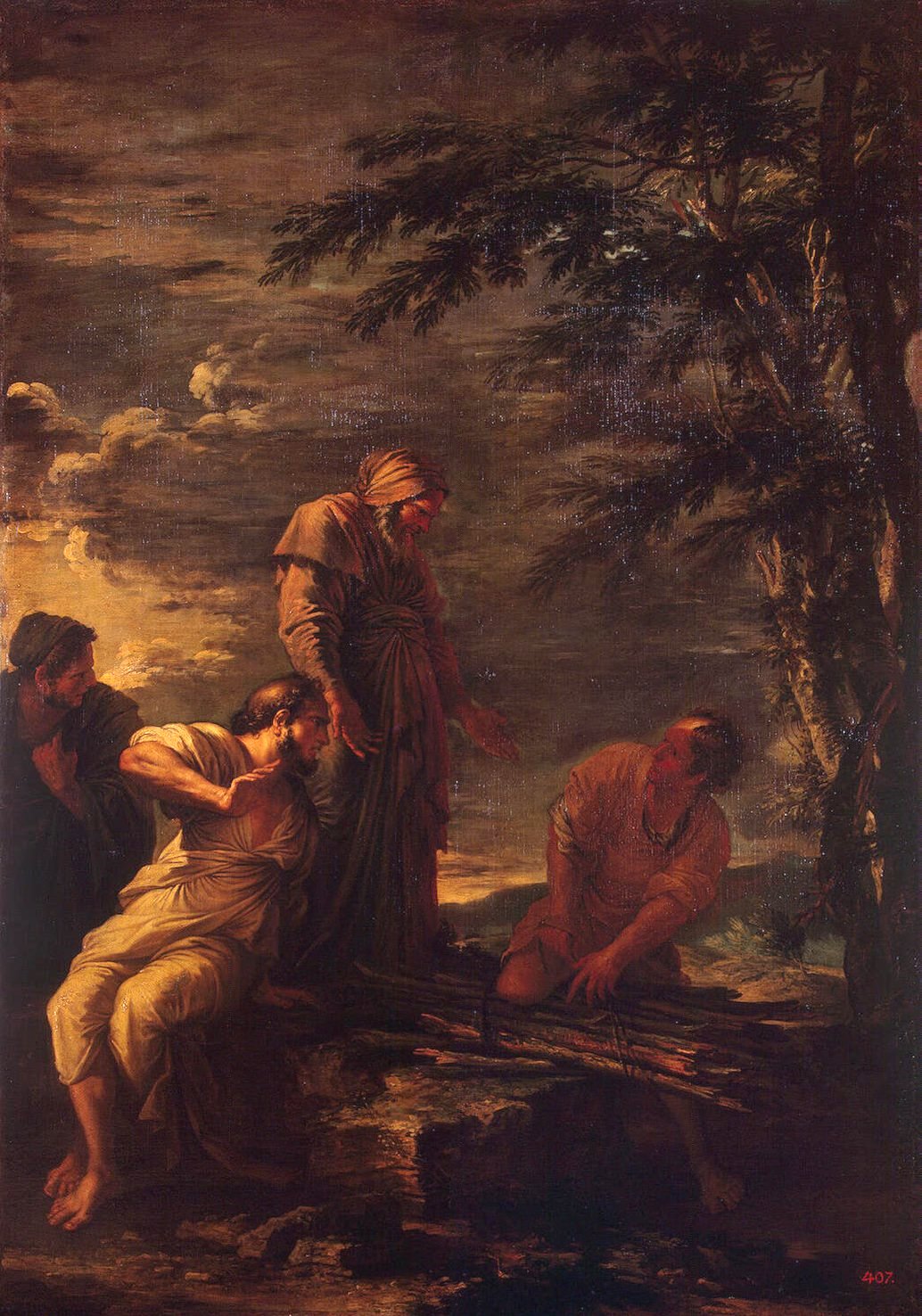


Ideas and reputation
Protagoras is most famous for a striking aphorism: that "man is the measure of all things," a formulation taken to express a form of epistemic relativism — the view that truth or judgment depends on the perceiver. He is also associated with a skeptical position about theological knowledge, often reported in paraphrase as saying he could not affirm the existence or nature of the gods because human perception and testimony are too variable. These themes made him a central figure in debates about whether there are objective standards for knowledge and morality.
Characteristics and writings
- Key doctrines: perspectivism or relativism about truth; emphasis on the role of language and argument.
- Style: rhetorical skill and teaching aimed at citizens, lawyers, and leaders; use of examples and counterexamples rather than systematic treatises.
- Works: only fragments and reports survive; titles and quotations are preserved in later writers' discussions.
Protagoras established a model for professional instruction in argumentation and civic virtue. Plato, in his dialogue named after him, credits him with turning the practice of argument and ethical instruction into a paid profession and examines his methods at length. That Platonic portrait interacts with another famous Athenian, Socrates, and is one of the principal sources through which modern readers encounter Protagoras. Plato's treatment is complex: it preserves both Protagoras's rhetorical skill and raises philosophical objections.
Many later accounts describe Protagoras as a teacher of virtue and rhetoric. In Plato's narrative he is presented as the originator of the role of professional teacher or sophist who instructs citizens in success, public speaking, and practical ethics. Contemporary and near-contemporary critics, however, often contrasted the sophists' pragmatic instruction with the search for immutable truth found in other philosophical strands.
Historical impact and legacy
Protagoras's emphasis on human judgment and rhetorical competence influenced discussions in epistemology, ethics, and education. His ideas provoked responses from Plato, Aristotle, and Hellenistic thinkers, and they continue to be invoked in modern debates about relativism, pluralism, and the limits of religious knowledge. Although direct writings are scarce, his reputation as a formative sophist and provocateur of philosophical reflection remains secure in the history of ideas.
For accessible primary and secondary treatments of Protagoras, consult editions and commentaries that collect fragments and testimonia; these discussions illuminate how a few reported sayings and Plato's dramatic reconstruction shaped centuries of interpretation. See also broader treatments of the pre-Socratic and sophistic movements for context: pre-Socratic traditions, Plato's dialogues such as Protagoras, and studies of sophistry and rhetoric.
Author
AlegsaOnline.com Protagoras: Greek sophist, teacher, and early proponent of relativism Leandro Alegsa
URL: https://en.alegsaonline.com/art/129038