
Gorgias (Plato): Dialogue on Rhetoric, Virtue, and Justice
Plato's Gorgias is a Socratic dialogue that examines rhetoric, moral responsibility, and the nature of justice through debates between Socrates and prominent sophists.
Overview
Gorgias is a Socratic dialogue by Plato that investigates the practice and moral status of rhetoric, the meaning of virtue, and what it means to live justly. Rather than offering a systematic treatise, the work stages a probing conversation in which Socrates questions practitioners of public persuasion about their aims and methods.
Image gallery
4 Images


Setting and characters
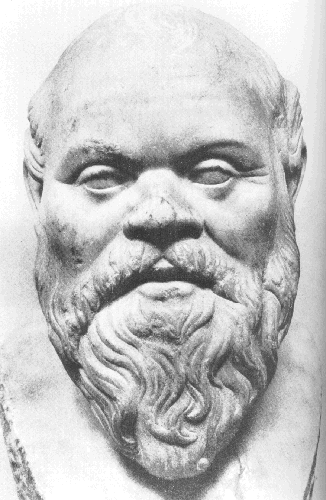
The dialogue unfolds as a debate among Socrates and three interlocutors: the sophist Gorgias, his student Polus, and the younger politician Callicles. These figures represent different attitudes toward persuasion, success, and the good life, and their exchanges let Plato contrast rhetorical skill with philosophical inquiry.
Main themes and arguments
Central tensions include whether rhetoric is an art that seeks truth or mere flattery that pursues power and pleasure. Socrates argues that true benefit depends on the soul’s health and that wrongdoing harms the agent more than the victim. Opponents defend the idea that power and pleasure can justify actions regardless of conventional morality.
Structure and method
The dialogue uses the Socratic method of questioning to expose contradictions and probe definitions. Key stages of the discussion can be summarized:
- Initial debate over the nature and value of rhetoric.
- Exchange on whether injustice is preferable to suffering injustice.
- Reaching ethical claims about self-mastery, punishment, and the role of philosophy.
Historical context and influence
Probably composed in the period when Plato was developing his middle dialogues, Gorgias has informed later thinking about political rhetoric, legal practice, and moral psychology. Its critique of persuasion without knowledge has been influential in classical rhetoric and contemporary debates about political communication.
Notable distinctions and legacy
Gorgias stands out for turning a practical subject—public speaking—into an ethical inquiry about the good life. Readers encounter sharp contrasts between success defined by appearance and success grounded in justice (justice). The dialogue remains a staple in courses on ancient philosophy, rhetoric, and ethics, and it continues to prompt reflection on the costs and responsibilities of persuasive speech.
Related articles
Author
AlegsaOnline.com Gorgias (Plato): Dialogue on Rhetoric, Virtue, and Justice Leandro Alegsa
URL: https://en.alegsaonline.com/art/39773