
Gotthold Ephraim Lessing (1729–1781)
German Enlightenment dramatist, critic and philosopher; author of Nathan the Wise and Laocoon; a key figure in theatre reform, aesthetics and the promotion of religious tolerance.
Gotthold Ephraim Lessing was a central figure of 18th‑century German letters. Born in Kamenz in Saxony in 1729 and dying in Braunschweig in 1781, he combined activity as a poet and dramatist with work as a critic, theorist and librarian. His thought is commonly situated within the broader currents of the Enlightenment and in the development of modern German literature.
Image gallery
9 Images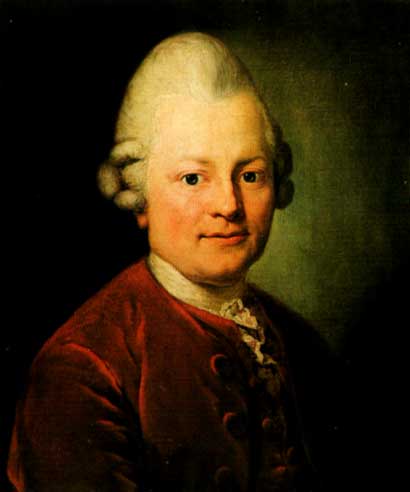



Life and career
Lessing studied theology and philology but gravitated toward the theatre and scholarship. He held posts as a dramatic critic and later as a librarian at the ducal library of Wolfenbüttel, where he pursued literary study and correspondence. His practical engagement with stage production, criticism and publishing allowed him to influence theatrical practice and public debate across the German states.
Major works and themes
- Plays: Minna von Barnhelm, Emilia Galotti, Nathan the Wise — dramas that mix social critique with ethical questions.
- Critical writings: Hamburgische Dramaturgie, a series of theatrical essays and reviews.
- Aesthetics and theory: Laocoon, an influential essay on the differences between poetry and the visual arts.
Lessing argued for clarity in dramatic form, an ethical role for theatre, and a distinction between literary genres that respected their different modes of expression. His analyses of form and taste helped professionalize literary criticism in German-speaking lands.
Religion, tolerance and public debate
One of Lessing's enduring contributions is his defense of religious tolerance. In works and polemics he challenged dogmatism and argued that reason and moral conduct, rather than sectarian authority, should guide judgment between faiths. Nathan the Wise popularized this stance through the well‑known parable of the rings, which calls for mutual respect across confessional lines.
Lessing's combination of dramatic craft, critical argument and civic engagement left a lasting imprint on German letters and on European debates about art, reason and conscience. For further reading and resources see literature overviews, archival collections at Braunschweig repositories, studies linked from Kamenz cultural pages, editions of his plays via dramatic archives, and broader Enlightenment contexts at period studies.
Questions and answers
Q: Who was Gotthold Ephraim Lessing?
A: Gotthold Ephraim Lessing was a German poet and philosopher during the Enlightenment period.
Q: When and where was Lessing born?
A: Lessing was born on January 22, 1729, in Kamenz, Saxony.
Q: When did Lessing pass away and in what city?
A: Lessing passed away on February 15, 1781, in Braunschweig.
Q: What was the major historical period in which Lessing lived and worked?
A: Lessing lived and worked during the Enlightenment period, which was characterized by reason, science, and ideas of progress and liberty.
Q: What were some of Lessing's major contributions to literature?
A: Lessing made significant contributions to literature with his plays, including Emilia Galotti and Nathan the Wise.
Q: What were some of Lessing's philosophical ideas?
A: Lessing's philosophical ideas included the importance of reason and tolerance, and the rejection of dogma and authority.
Q: How did Lessing fit into the broader intellectual landscape of his time?
A: Lessing was part of the broader intellectual landscape of the Enlightenment, which sought to challenge traditional ways of thinking and bring about social and intellectual progress.
Related articles
Author
AlegsaOnline.com Gotthold Ephraim Lessing (1729–1781) Leandro Alegsa
URL: https://en.alegsaonline.com/art/39888