
Gopal Gurung: Nepali journalist, politician and advocate for ethnic equality
Gopal Gurung (1935–2016) was a Nepali journalist, author and political activist who campaigned for the rights of indigenous groups, founded the Mongol National Organization, and promoted republican ideas in Nepal.
Gopal Gurung (गोपाल गुरुङ; July 27, 1935 – June 10, 2016) was a Nepali journalist, author and political activist known for his outspoken criticism of social and ethnic hierarchies in Nepal. He combined reporting, political organizing and polemical writing to challenge the dominance of upper-caste Indo-Aryan groups and to argue for greater recognition and rights for indigenous, Tibeto-Burman communities often referred to in his work as "Mongol" groups.
Image gallery
4 Images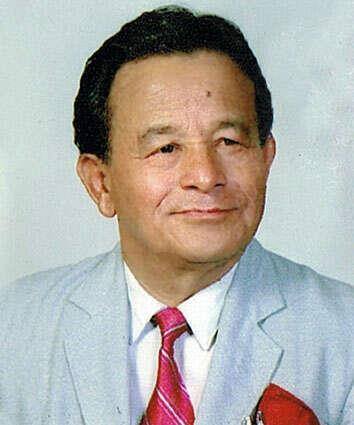


Overview and public roles
Gurung worked across journalism, political organizing and writing. He is described as a futurist in the sense that he argued for structural change and anticipated political transformations in Nepal and beyond. As an author and commentator he addressed issues of ethnicity, state structure and the future of Nepali governance, while as an organizer he founded and led the Mongol National Organization (MNO).
Ideas, themes and positions
- Ethnic equality: He challenged entrenched privileges of Bahun and Kshetri elites and called for legal and cultural recognition of indigenous peoples.
- Republicanism: An early advocate of abolishing the monarchy in favor of a republican system, he influenced debates about Nepal’s political future.
- Social critique and futurism: He combined contemporary analysis with long-term predictions about global and regional politics.
Organizing and publications
Gurung founded the Mongol National Organization (MNO) and served as its president; the MNO aimed to give a political voice to the ethnic communities he represented. He also published articles and books expressing his critiques and proposals; his writings attracted both supporters who praised his defense of marginalized groups and critics who disputed his terminology and tactics. For general context see selected resources on his journalism (journalism), his books (author profile) and his political career (politician).
Historical significance and controversies
Gurung is remembered as an early and vocal proponent of ideas that later featured in Nepal’s struggles over federalism, identity politics and the end of monarchy. His use of the term "Mongol" to describe Tibetoid and other indigenous groups, his confrontational style, and his challenges to dominant elites made him a polarizing figure. He faced political opposition and legal challenges during his life, and his legacy remains debated among scholars, activists and political opponents.
Legacy and further reading
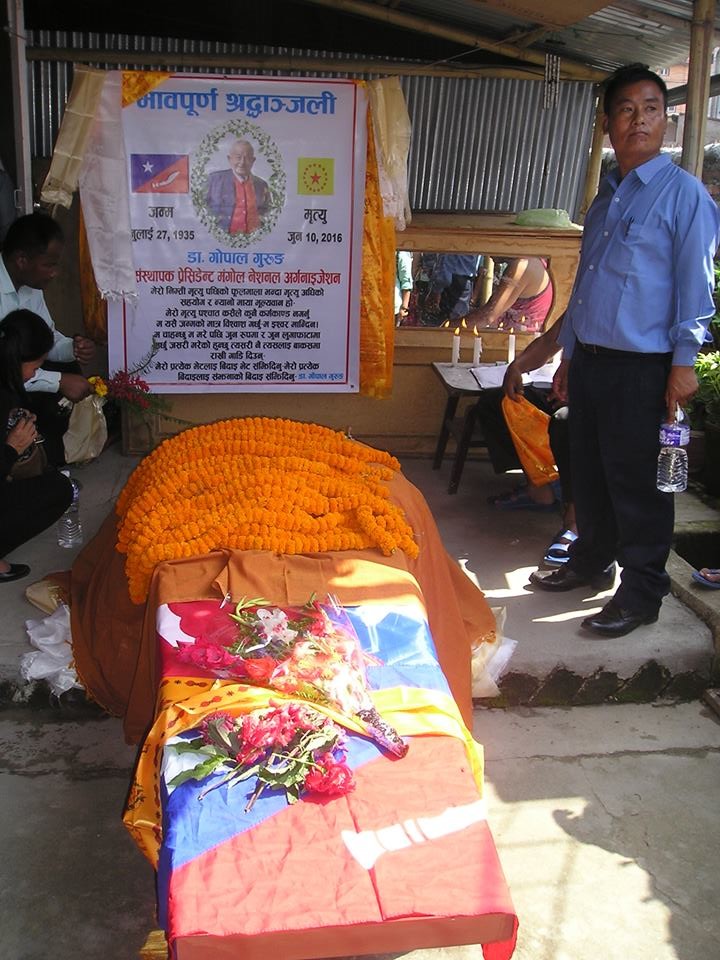
Gopal Gurung died in 2016. Supporters credit him with helping to broaden public conversation about ethnicity and governance; critics fault some of his language and methods. For additional perspectives on his role as a futurist and commentator on global affairs see his essays on futurism and global politics, on republican advocacy see republicanism, and for a broader survey of Nepali politics consult general resources (Nepal politics).
Related articles
Author
AlegsaOnline.com Gopal Gurung: Nepali journalist, politician and advocate for ethnic equality Leandro Alegsa
URL: https://en.alegsaonline.com/art/39715
Sources
- books.google.com.np : "The Rise of Ethnic Politics in Nepal: Democracy in the Margins"
- english.onlinekhabar.com : "Gopal Gurung, Nepal's leading republican figure, dies"