
Gopala I — Founder of the Pala dynasty of Bengal
Gopala I founded the Pala dynasty in Bengal around 750 CE. Elected by regional chiefs at Gaur, he established a Buddhist-backed power that his successors expanded into the Pala Empire.
Overview
Gopala I is recognized as the founder of the Pala dynasty in the Bengal region of the Indian subcontinent. He rose to prominence around 750 CE and established his rule from Gaur (also called Gauda). The dynasty he began became one of the principal powers of eastern India in the early medieval period. The element "-pala" in royal names means "protector" and was adopted by Gopala and his successors as a dynastic title.
Image gallery
2 Images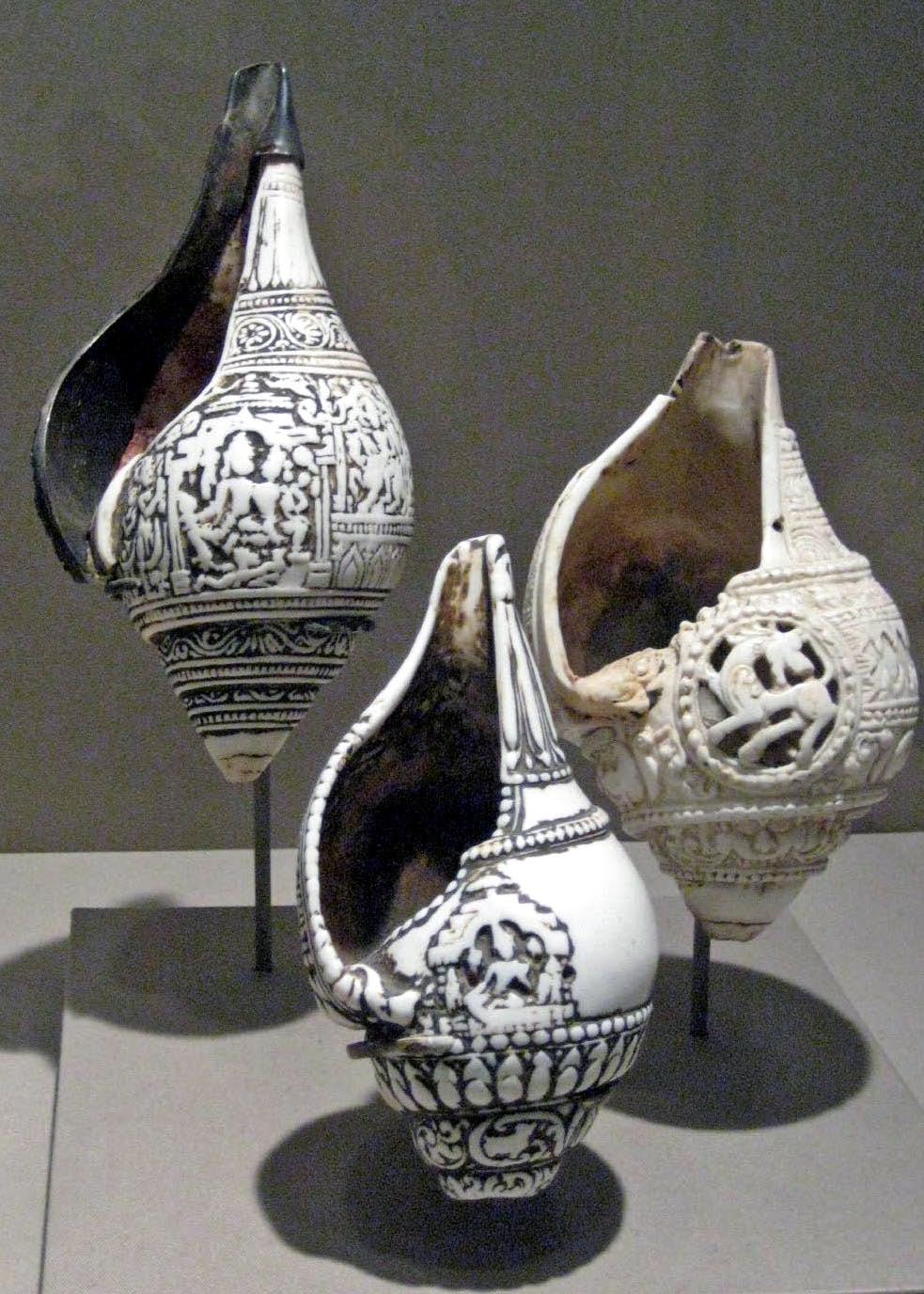

Origins and rise to power
Contemporary records about Gopala's early life are sparse. Historical accounts emphasize that he was elected by a group of regional chieftains during a period of political fragmentation in Bengal. That customary choice by local leaders—rather than simple hereditary succession—marks his accession as a response to disorder and the need for a strong, unifying ruler. Gaur, a long-standing political center in the region, served as his seat of power.
Reign and administration
While detailed administrative records from Gopala's reign are limited, later Pala practice suggests an emphasis on military consolidation and patronage of religious institutions. Gopala maintained the territorial base in Bengal and laid the groundwork for later expansion. His rule was succeeded by his son Dharmapala, who extended Pala influence into neighboring areas and became a prominent patron of Buddhist institutions.
Legacy and significance
Gopala's primary historical importance lies in founding a durable dynasty that shaped politics, religion, and culture in eastern India for several centuries. The Palas are especially noted for supporting Buddhist learning and monastic universities in subsequent generations, a development that owed its initial platform to the political stability the dynasty provided. The dynasty's name, the use of "-pala" in rulers' names, and the emergence of a distinct Pala state are direct parts of Gopala's legacy.
Key points and notable facts
- Founder of the Pala dynasty, active around 750 CE.
- Chosen by regional chieftains at Gaur during a time of unrest.
- Established a line of rulers who used the title meaning "protector."
- His successors, notably Dharmapala, expanded the dynasty and patronized Buddhist institutions.
For an overview of the political entity that grew from his rule, see the article on the Pala Empire.
Related articles
Author
AlegsaOnline.com Gopala I — Founder of the Pala dynasty of Bengal Leandro Alegsa
URL: https://en.alegsaonline.com/art/39716
Sources
- oudl.osmania.ac.in : The Early History of Bengal · web.archive.org