
Goran Hadžić: President of the Republic of Serbian Krajina
Serb political leader during the Croatian War of Independence; president of the self-proclaimed Republic of Serbian Krajina, indicted by the ICTY for war crimes, arrested in 2011 and died of brain cancer in 2016.
Overview
Goran Hadžić (7 September 1958 – 12 July 2016) was a political figure who became the president of the self-proclaimed Republic of Serbian Krajina (RSK) during the Croatian War of Independence in the early 1990s. The RSK was an unrecognized Serb entity established in areas of Croatia where ethnic Serbs sought autonomy or separation as Yugoslavia dissolved. Hadžić's tenure and actions during the conflict later led to international criminal charges.
Image gallery
3 Images
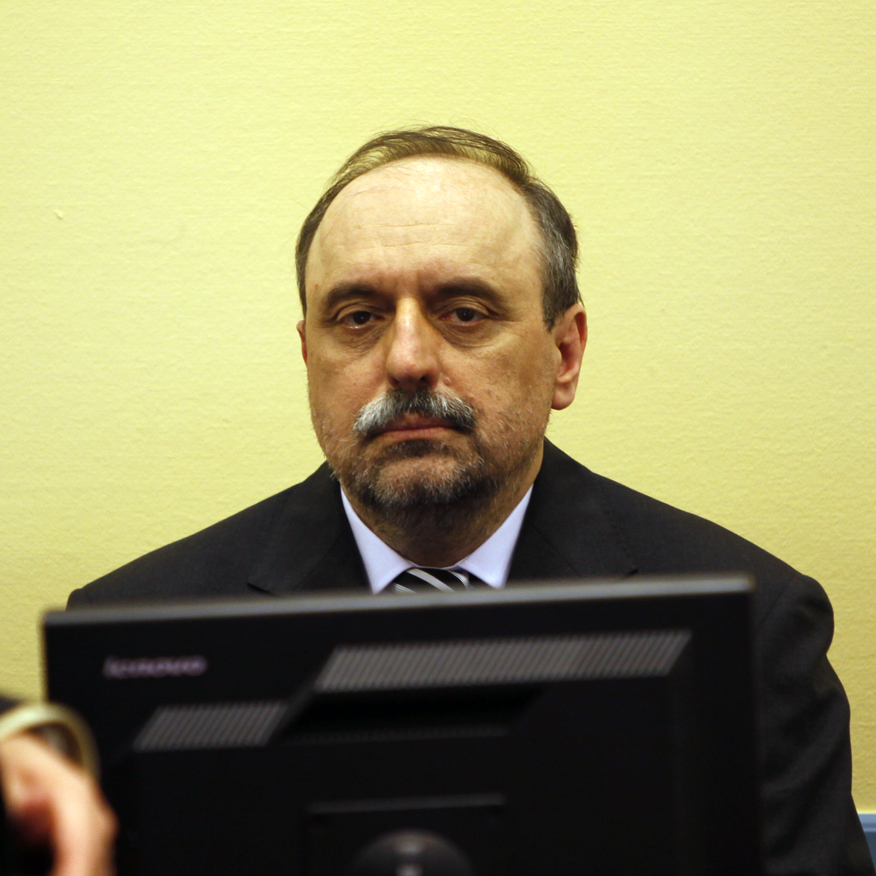

Political role and the RSK
As president of the RSK, Hadžić was a senior representative of the local Serb leadership during a period marked by ethnic tension, territorial disputes and armed conflict. The RSK existed from 1991 until 1995 and was not recognized by the international community. Its existence and eventual collapse are closely tied to military operations in Croatia and large-scale displacement of civilians.
War-time accusations and international indictment
Following the war, Hadžić was indicted by the International Criminal Tribunal for the former Yugoslavia (ICTY) on charges that included crimes against humanity and violations of the laws and customs of war. The indictment alleged his responsibility for policies and acts committed in RSK-held areas during the conflict. These allegations formed part of broader international efforts to hold political and military leaders accountable for serious violations of humanitarian law in the former Yugoslavia.
Arrest, transfer and medical condition
Hadžić was a fugitive for several years before his arrest in Serbia in 2011 and subsequent transfer to the ICTY. He appeared before the tribunal, but his case was repeatedly affected by health problems. Medical assessments later identified a serious brain illness, and proceedings were interrupted on medical grounds. He remained in custody or under court-ordered medical care as the legal process stalled due to his condition.
Death and legal outcome
Goran Hadžić died on 12 July 2016 in Sremska Kamenica, in the Republic of Serbia, from brain cancer at the age of 57. He died before a final judicial determination of guilt or innocence in his case at the ICTY. Because the trial did not reach a final verdict before his death, the formal legal record does not include a completed judgment on the full set of charges he faced.
Legacy and significance
Hadžić's life and case are emblematic of the complex and contested process of transitional justice after the Yugoslav wars. His indictment and arrest reflected international pressure for accountability for wartime abuses, while his prolonged health issues and death before trial highlight procedural and humanitarian challenges faced by tribunals. The history of the RSK and its leaders remains a sensitive and debated topic in the region's politics and memory.
- Born: 1958
- Role: President of the self-proclaimed Republic of Serbian Krajina
- Indicted by ICTY: charges of crimes against humanity and war crimes
- Arrested: 2011 (transferred to international custody)
- Died: 12 July 2016, brain cancer
Related articles
Author
AlegsaOnline.com Goran Hadžić: President of the Republic of Serbian Krajina Leandro Alegsa
URL: https://en.alegsaonline.com/art/39727
Sources
- icty.org : "The Prosecutor of the Tribunal against Goran Hadzic – Indictment"
- dnevnik.hr : Uhićen Goran Hadžić! at Dnevnik.hr
- klix.ba : "Goran Hadžić dead"