
Goldenrod (Solidago): description, ecology, uses and misconceptions
Goldenrod is a group of roughly 150 species of flowering plants in the genus Solidago. This article covers their appearance, ecology, uses, allergic issues, and cultural importance.
Goldenrod is the common name for a group of about 150 species in the genus Solidago. These are typically herbaceous, often weedy or pioneer herbs that produce clusters of small, bright yellow flowers in late summer and autumn. Most species are native to North America, though some occur elsewhere and a few have spread beyond their native ranges.
Image gallery
10 Images


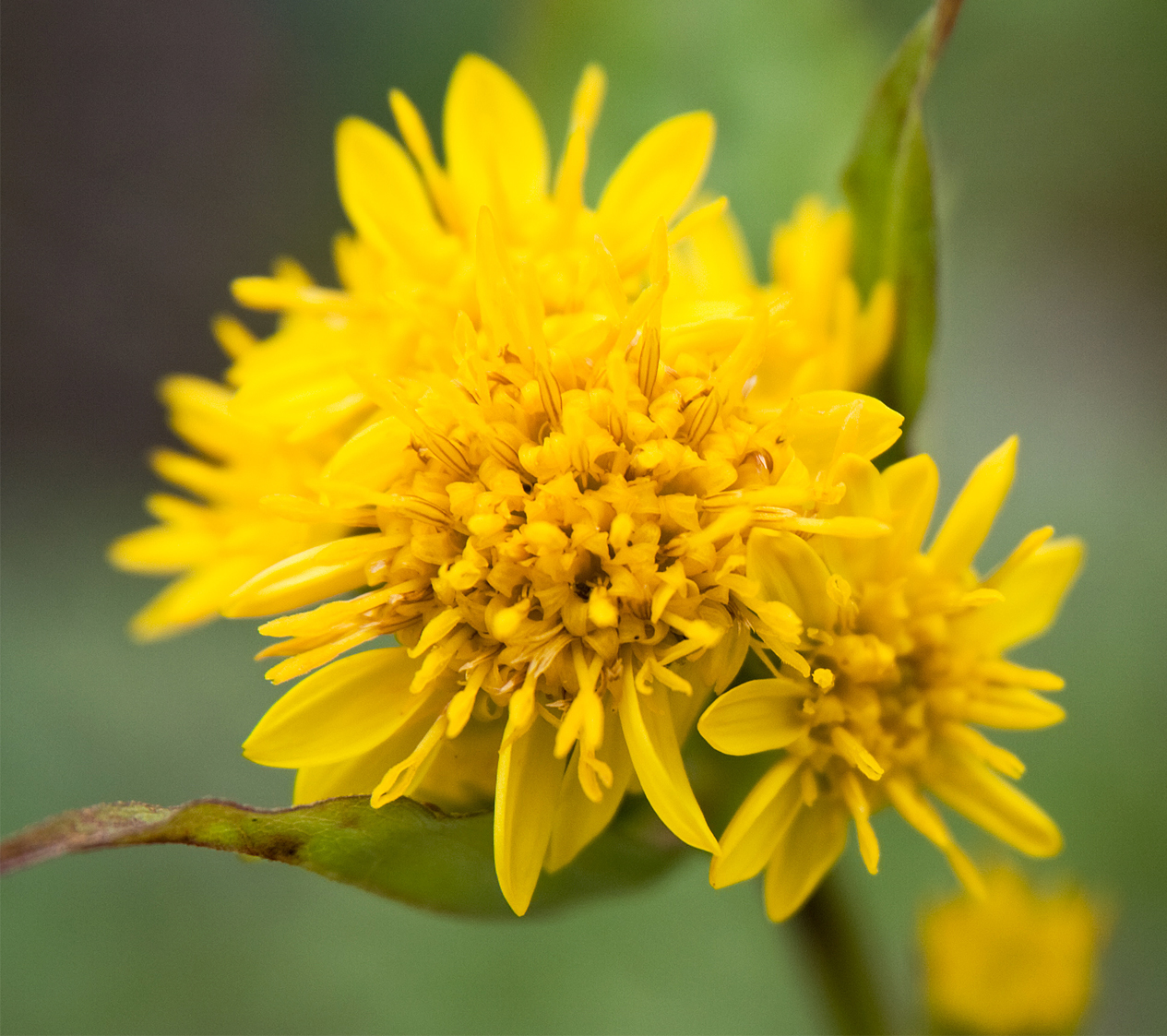


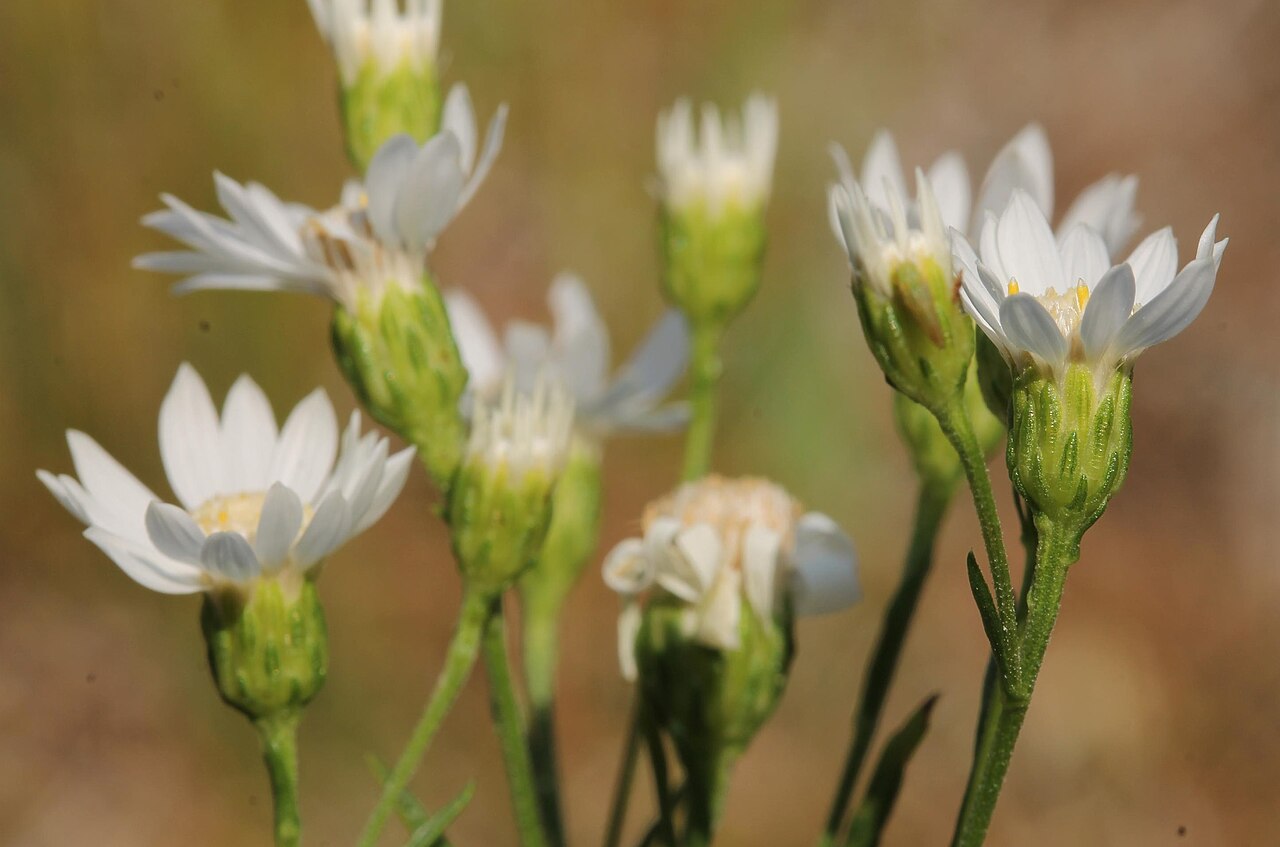


Description and distinguishing features
Plants called goldenrod range from low, clumping forms to tall, branching stems. Leaves are usually simple and alternate; stems end in dense panicles or racemes of many tiny, tubular flower heads. Each flower head is small and insect‑friendly, packed with nectar rather than wind‑blown pollen. That pollination strategy gives the blooms their characteristic golden appearance when they flower en masse.
- Growth habit: perennial or short‑lived, often forming colonies from rhizomes or seed.
- Flowers: small yellow florets in sprays, attractive to bees, butterflies and other insects.
- Seeds: fine achenes with tufts that aid dispersal by wind.
Ecology, insects and misconceptions
Goldenrod is an important late‑season source of nectar and pollen for many pollinators and insects. Caterpillars of Lepidoptera species feed on leaves, and numerous other invertebrates use goldenrod stands for shelter and food. While many people blame goldenrod for hay fever, that is largely a misconception: goldenrod pollen is relatively heavy and insect‑transported, whereas windborne plants such as ragweed are the usual cause of seasonal allergic rhinitis. Nevertheless, handling the plant or prolonged exposure can trigger skin irritation or allergic reactions in some sensitive individuals.
Some goldenrod species have become locally invasive outside their native range by spreading rapidly and displacing native vegetation. Gardeners and restoration practitioners therefore choose species and cultivars carefully and monitor spread.
Uses, cultural notes and management
Goldenrods have been used historically in herbal remedies and as a source of tea in folk traditions; fresh stalks and dried sprays are also valued as late‑season ornamental plants and cut flowers. Beekeepers prize many Solidago species because they can produce abundant late summer honey. Where plants are unwanted, management options include mowing before seed set, careful pulling of young clones, or targeted herbicide use when necessary.
For further practical and botanical information consult general plant guides or specialist resources on the genus Solidago. For details about associated insect species see references on many species and their relationships with Lepidoptera.
Related articles
Author
AlegsaOnline.com Goldenrod (Solidago): description, ecology, uses and misconceptions Leandro Alegsa
URL: https://en.alegsaonline.com/art/39526
Sources
- worldcat.org : 0105-4538
- pubmed.ncbi.nlm.nih.gov : 9534922
- northernbushcraft.com : Edibility of Goldenrod