
Gnathostomata — jawed vertebrates (sharks, bony fish and tetrapods)
Gnathostomata are vertebrates that bear jaws and paired appendages. This clade includes modern jawed fishes and all tetrapods; it arose in the early Paleozoic and diversified in the Devonian.
The Gnathostomata are the clade of vertebrates characterized primarily by the possession of true jaws. Members of this group include modern sharks and rays, bony fishes, and all tetrapods (amphibians, reptiles, birds and mammals). In taxonomic practice the name unites jawed fishes with their land‑dwelling descendants, recognizing a single evolutionary origin of the jawed condition. For a general context see vertebrates and the structural innovation of the jaw.
Image gallery
10 Images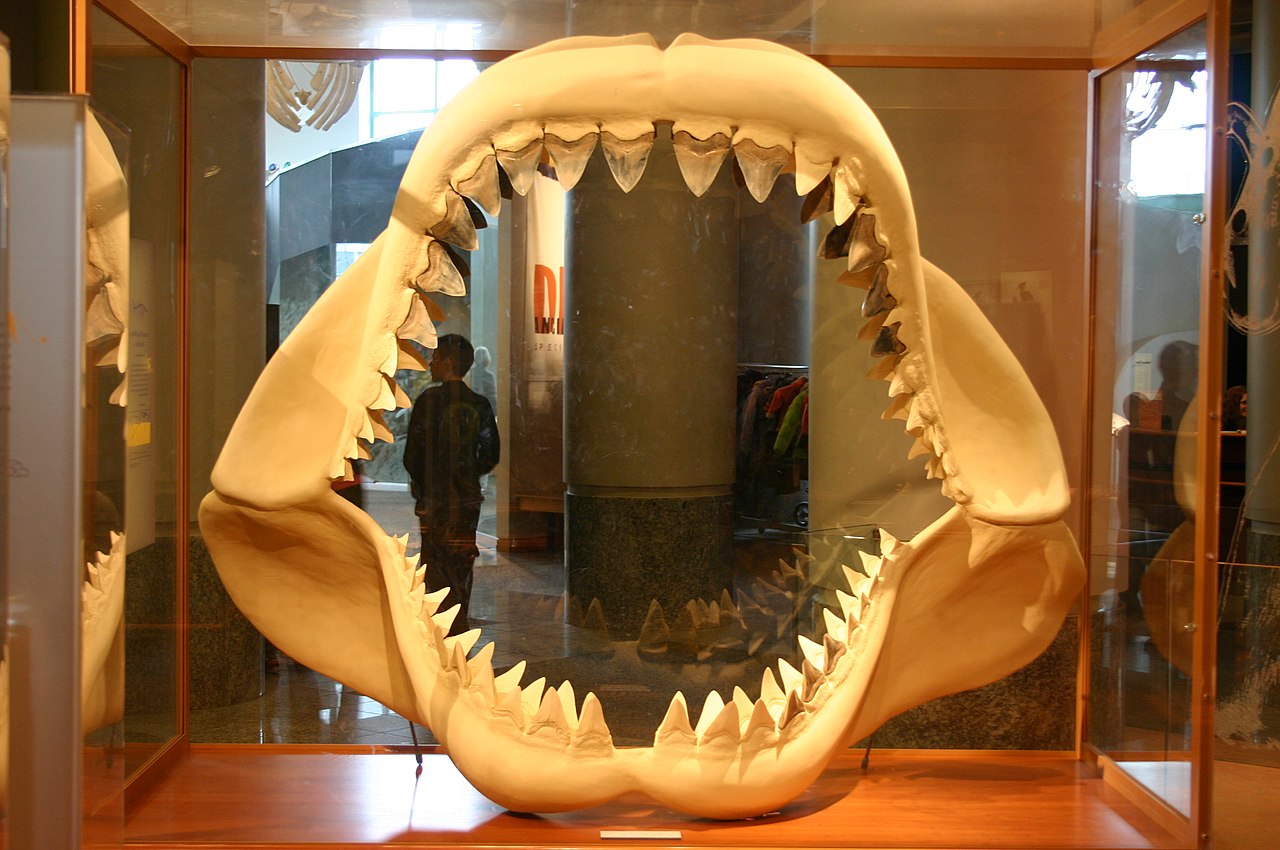



Key characteristics
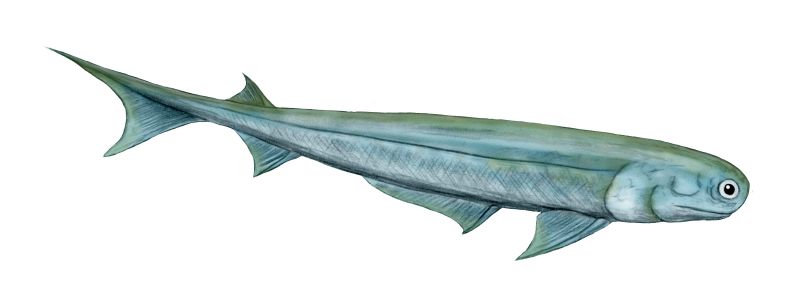
Beyond jaws, many gnathostomes share a suite of anatomical features that commonly include paired pectoral and pelvic fins or limbs, a mineralized skeleton or ossified elements, true teeth attached to jaws, and a more complex braincase and inner ear than jawless relatives. These traits appear in varying combinations across major lineages: cartilaginous fishes (sharks and rays) retain a largely cartilaginous skeleton, while osteichthyans (bony fishes and tetrapods) have extensive bone development.
History and fossil record
Fossil evidence indicates that early jawed vertebrates appeared during the Paleozoic Era. The earliest gnathostome remains are known from rocks of Ordovician to Silurian age, and the group became especially diverse and ecologically dominant during the Devonian, often called the "Age of Fishes." Important terrestrial diversification of their descendants produced the first land vertebrates later, during the Carboniferous. For timeline references see Ordovician, Devonian and Carboniferous.
Major subgroups and examples
- Chondrichthyes (cartilaginous fishes): sharks, skates and rays.
- Osteichthyes (bony fishes): a diverse set that also gave rise to tetrapods.
- Tetrapoda: the land vertebrates descended from lobe‑finned fishes.
Importance and distinctions
Gnathostomata form the sister clade to the jawless vertebrates often grouped as Agnatha. The evolution of jaws allowed active predation, more efficient feeding strategies and a wider range of ecological roles, which in turn drove morphological and behavioral diversification. When discussing jawed fishes in older literature the term jawed fish may be used, while modern treatments explicitly fold in terrestrial descendants such as tetrapods.
Because they encompass both aquatic and terrestrial vertebrates, gnathostomes are central to studies of vertebrate evolution, functional morphology and paleoecology. Their fossil record, anatomical innovations and living diversity make them one of the most important clades for understanding the history of vertebrate life.
Questions and answers
Q: What is Gnathostomata?
A: Gnathostomata is the group of vertebrates with jaws.
Q: What was the original intention of the Gnathostomata group?
A: The original intention of the Gnathostomata group was to include all jawed fish.
Q: What does the Gnathostomata group also include in modern fashion?
A: In modern fashion, the Gnathostomata group also includes all the tetrapods as well, since they evolved from jawed fish.
Q: What is the sister group of Gnathostomata?
A: The sister group of Gnathostomata is Agnatha, the jawless vertebrates.
Q: When did the Gnathostomata group first appear?
A: The Gnathostomata group first appeared in the Ordovician period.
Q: When did the Gnathostomata group become diverse?
A: The Gnathostomata group became diverse in the Devonian period, the 'Age of Fishes'.
Q: When did land vertebrates first appear?
A: Land vertebrates first appeared in the Carboniferous period.
Related articles
Author
AlegsaOnline.com Gnathostomata — jawed vertebrates (sharks, bony fish and tetrapods) Leandro Alegsa
URL: https://en.alegsaonline.com/art/39315