
Gino Lucetti: Italian anarchist who attempted to kill Mussolini
Gino Lucetti (1900–1943) was an Italian anarchist who attempted to assassinate Benito Mussolini in 1926, was sentenced to life imprisonment, escaped in 1943 and died during a bombing on Ischia.
Gino Lucetti was an Italian anarchist born in Carrara on 31 August 1900. He served during World War I as a young man and later spent time abroad. His political convictions and opposition to Italy's Fascist regime shaped his actions in the 1920s and 1930s.

After a period working and living in France, Lucetti returned to Italy determined to act against what he saw as a tyrannical government. Like other militants of his time, he combined personal risk with a willingness to use violence aimed at political leaders. His target was the head of the Fascist state, Benito Mussolini, commonly referred to in contemporary accounts as Mussolini.
Image gallery
1 Image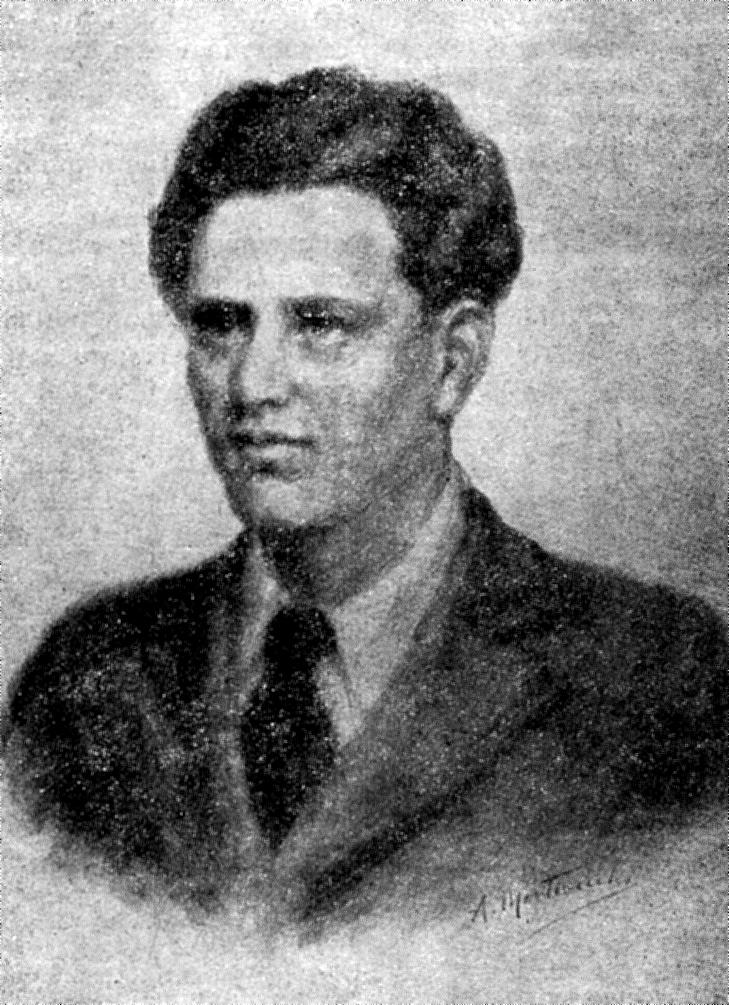
The 1926 attack
On 11 September 1926, in the area of Porta Pia in Rome, Lucetti threw a bomb at the car carrying Mussolini. The device did not succeed in killing the dictator. The assassination attempt is one among several violent incidents from that period directed at Fascist authorities; it led to Lucetti's arrest and a severe judicial response from the regime.
Imprisonment, escape and death
Following the failed attack, Lucetti was tried and condemned to spend the remainder of his life in prison under the Fascist judicial system. In 1943, amid the disarray of the Italian collapse and the Allied invasion, he escaped custody with assistance from others. He did not live long afterward: Lucetti died on 17 September 1943 during a bombing on the island of Ischia, an end often noted in accounts of anti‑Fascist militants.
Legacy and historical context
Lucetti's action has been interpreted in different ways: as an isolated act of violent opposition, as part of the broader anarchist movement in Italy, and as an episode in the larger story of anti‑Fascist resistance. He is remembered in studies of early opposition to Mussolini for his willingness to act at great personal cost.
- Birth and background: Born 1900 in Carrara; veteran of the First World War.
- Political stance: Identified with anarchist politics and anti‑Fascist sentiment.
- Notable act: 11 September 1926 bombing attempt at Porta Pia aimed at Mussolini's vehicle.
- Fate: Sentenced to life imprisonment, escaped in 1943, died during a bombing on Ischia.
For readers investigating Italy's interwar period, Lucetti represents one of several individuals who chose direct action against the Fascist state. His story is cited in works about anarchism, anti‑Fascist opposition, and the social turmoil of Italy between the world wars; further reading can provide fuller context about motivations, contemporaries, and the broader consequences of resistance in that era.
Related articles
Author
AlegsaOnline.com Gino Lucetti: Italian anarchist who attempted to kill Mussolini Leandro Alegsa
URL: https://en.alegsaonline.com/art/38898