
Giorgio Faletti
Italian writer, comedian, actor and singer-songwriter who achieved international success with bestselling fiction and a long career in television and music.
Overview
Giorgio Faletti was an Italian creative figure best known as a writer, but also recognised for his work as an actor, comedian and singer-songwriter. He built a multi‑faceted career that moved between stage, television, music and literature. In the early 2000s he reached a new international audience when his crime fiction became widely translated and commercially successful.
Image gallery
2 Images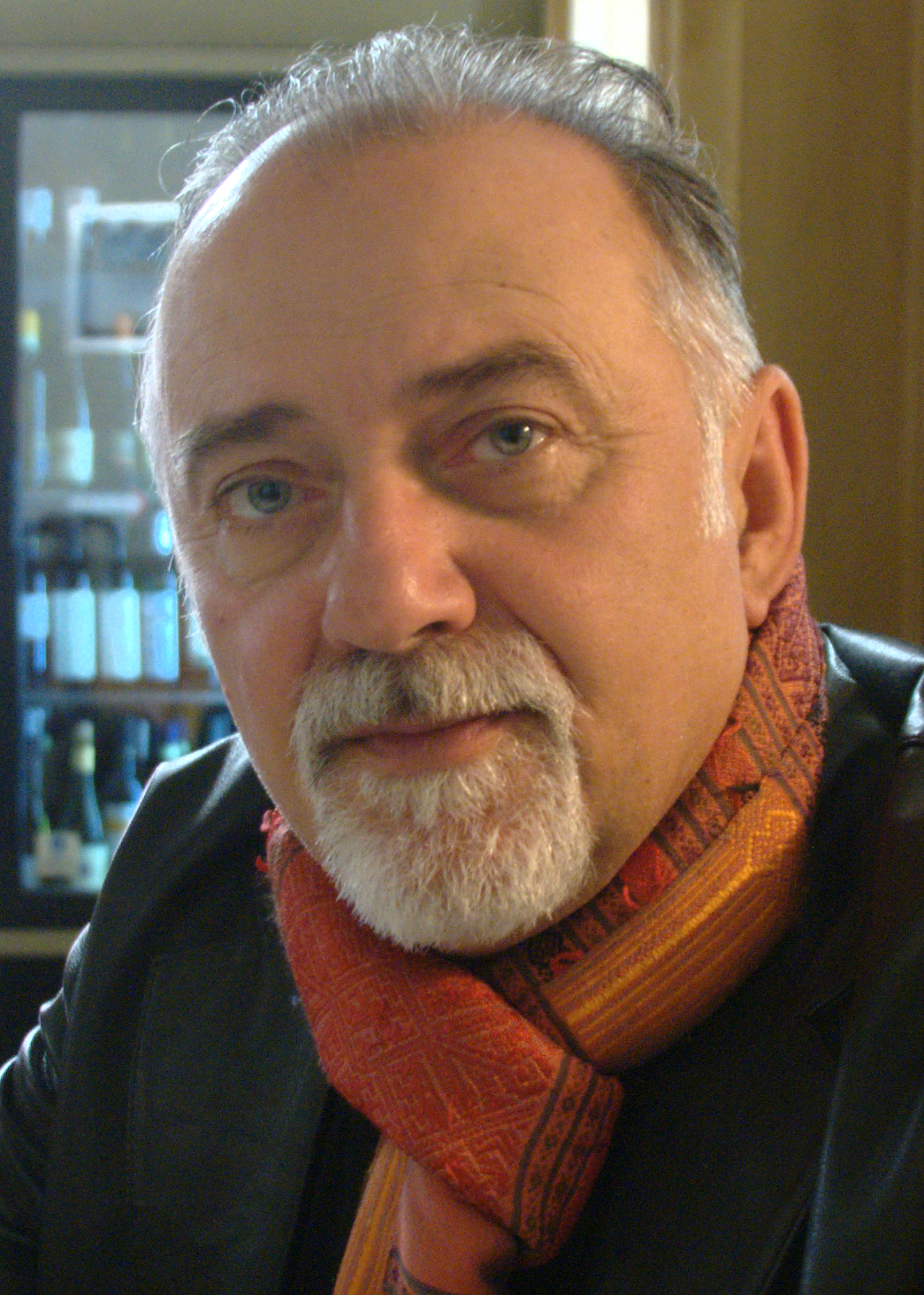

Early life and background
Faletti was born in the town of Asti in the region of Piedmont. His personal life retained ties to the Italian landscape; at various times he lived on Elba Island. He was also known as a fan of the Juventus football club, reflecting a common personal interest that often appeared in interviews and profiles about him (football).
Entertainment career
Before turning to long-form fiction, Faletti made his name in entertainment. He performed as a comedian and appeared in television and theatre as an actor. Parallel to his stage work he wrote and performed songs as a singer-songwriter, combining lyrical sensibility with a flair for comic timing. This background in popular media helped him develop a clear, direct narrative voice that later served his books.
Writing career and international reach
Faletti turned to fiction and achieved widespread recognition with suspense and crime novels that sold well beyond Italy. His books have been translated into many languages (translations) and published across Europe, South America, China, Japan, Russia and the United States. Reviewers often noted his ability to mix tight plotting with atmospheric descriptions of place and character.
Style, themes and legacy
Faletti's writing is generally described as accessible but taut: he favoured fast-moving plots, clear prose and a focus on crime, justice and human frailty. Because he came from entertainment, his books often appealed to readers who appreciated both suspense and strong storytelling. His cross-disciplinary career—spanning music, comedy and acting—made him a recognizable cultural figure in Italy.
Later life and death
In later years Faletti remained active as a public figure and continued to publish. He died in Turin after a long battle with lung cancer. His work continues to be read internationally and his transition from performer to bestselling novelist is frequently cited in discussions of contemporary Italian popular culture.
Related articles
Author
AlegsaOnline.com Giorgio Faletti Leandro Alegsa
URL: https://en.alegsaonline.com/art/38912
Sources
- espresso.repubblica.it : "E' morto Giorgio Faletti"