
Gino Severini
Italian painter Gino Severini (1883–1966), a leading Futurist who combined Divisionist color, Cubist structure and rhythmic movement; later embraced classicism, executed murals and returned to abstraction.
Overview
Gino Severini (7 April 1883 – 26 February 1966) was an Italian painter whose career traced several of the major developments in European modern art. Born in Cortona, Tuscany, he trained in Italy and spent formative years in Paris. Severini is best known as one of the principal figures of Futurist painting, a movement that celebrated speed, urban life and mechanical energy, but his work also absorbed Divisionist and Impressionist color techniques and the structural lessons of Cubism.
Image gallery
10 Images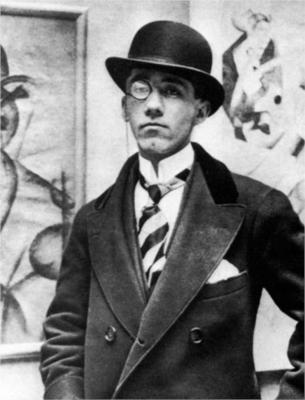




Early life and influences
Severini's early experience included exposure to late 19th‑century painting traditions such as Impressionism and Italian Divisionism, which encouraged an interest in light, fragmented touches and the optical mixing of color. A stay in Paris around the 1900s brought him into contact with Cubist innovations: the analysis of form into planes, the exploration of multiple viewpoints and a new vocabulary of structure that he would synthesize with a more animated pictorial rhythm.
Futurism and mature work
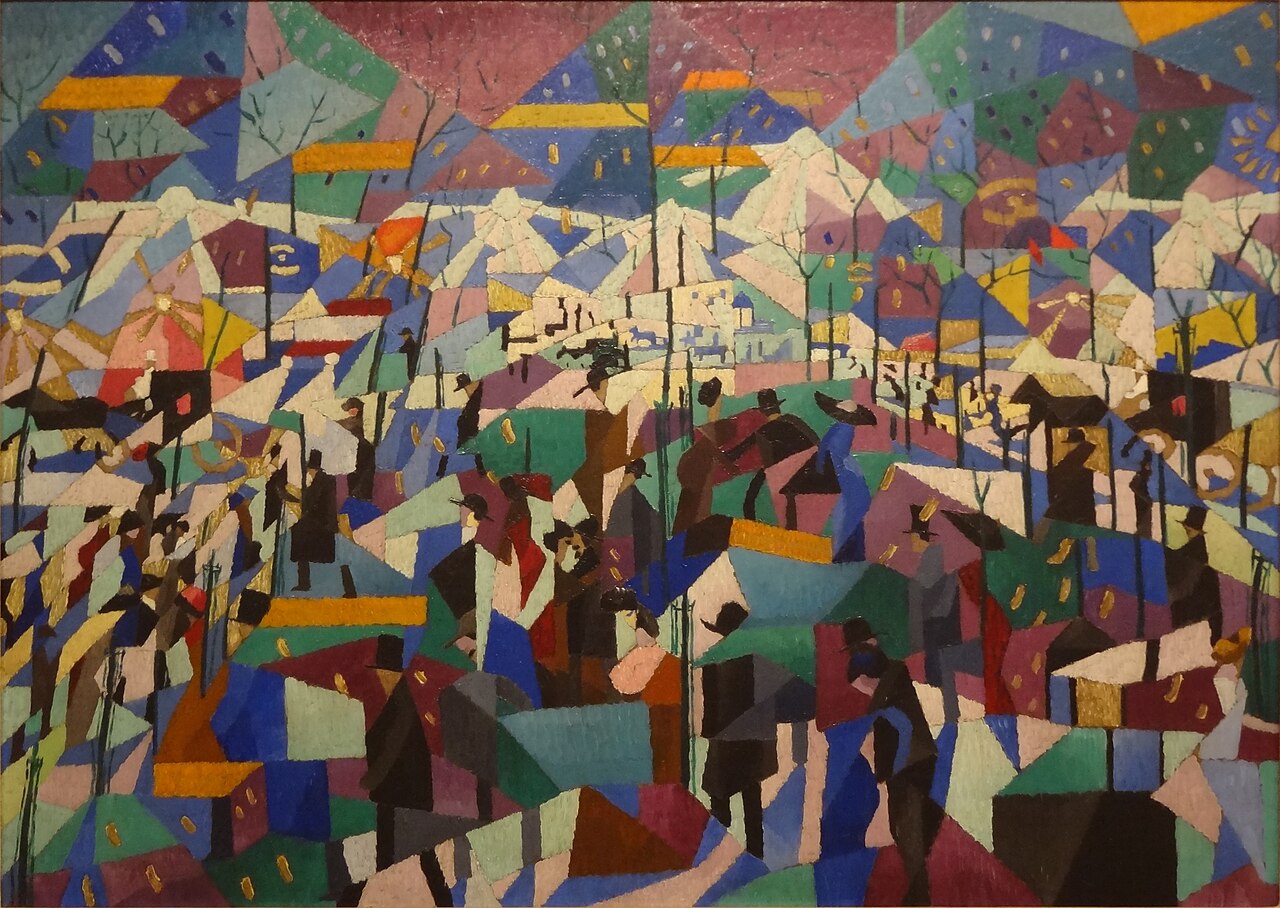
By the 1910s Severini was a founding member of the Futurist movement and an active participant in its exhibitions and debates. He developed a pictorial language that combined rhythmic repetition, staccato brushwork and fragmented forms to suggest movement and simultaneity. Common subjects in his Futurist phase included dancers, cafés, city scenes and mechanized motion, where the aim was to convey sensation and tempo as much as visual appearance.
Between classicism and public commissions
In the 1920s Severini moved toward a more classical, orderly approach often described as a return to tradition. He favored clearer volumes, balanced composition and a decorative sensibility appropriate to public and architectural commissions. During this period he executed murals and fresco schemes, including projects carried out in Switzerland, and contributed to a broader European trend toward a moderated, neo‑classical language.
Later years and renewed abstraction
Severini's output continued to evolve across the mid‑20th century. In the 1940s he resumed explorations of abstraction and spatial ambiguity while maintaining an interest in rhythm, pattern and the relation between figure and ground. He spent his later life in Paris, remained active in exhibitions and critical discussions of modernism, and died there in 1966. Throughout his career he balanced experimentation with a careful concern for composition and color.
Style, themes and legacy
- Technique: a synthesis of Divisionist/Impressionist color, Cubist structure and Futurist dynamism.
- Themes: modern urban life, dance and music, movement, machines and spectacle.
- Periods: early colorist and Divisionist phase; Paris/Cubist contact; Futurist prominence; 1920s classicism and murals; mid‑century abstraction.
- Legacy: remembered as a bridge between Cubism and Futurism and as an artist who brought compositional clarity and refined color to avant‑garde painting.
Further reading and links
For concise overviews and resources about Severini and the movements connected to his work see: artist biography, an outline of the Futurist movement, basic information on Impressionism and background on Cubism. Details of his decorative and mural commissions can be consulted at murals and commissions and holdings or exhibitions in Switzerland are listed at Switzerland holdings. Discussions of his mid‑century abstract work are available via 1940s developments, and summaries of his final years and influence can be found at death and legacy.
Related articles
Author
AlegsaOnline.com Gino Severini Leandro Alegsa
URL: https://en.alegsaonline.com/art/38900