
Giorgio Antonucci — Italian physician and critic of psychiatric practice
Giorgio Antonucci (1933–2017) was an Italian physician known for questioning psychiatric hospitalization and advocating non‑coercive, community‑based approaches to mental health care.
Overview
Giorgio Antonucci (1933–19 November 2017) was an Italian physician and a prominent critic of conventional psychiatry. Born in Tuscany, Italy, he became known for challenging the assumptions and practices of institutional psychiatric care and for promoting alternatives focused on respect, dialogue and community placement rather than compulsory hospitalization. His work is often discussed alongside the wider Italian psychiatric reform movement of the 1960s–1970s.
Image gallery
1 Image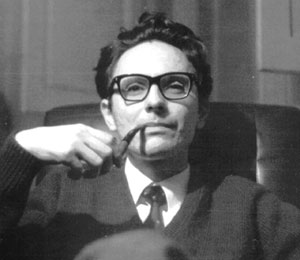
Career and major projects
Antonucci's clinical and organizational work combined direct patient contact with projects aimed at closing or transforming psychiatric institutions. In 1969 he worked at the psychiatric hospital in Gorizia, where experimental practices were taking place. From 1970 to 1972 he directed the mental hygiene centre in Castelnuovo nei Monti in the province of Reggio Emilia; this period is associated with attempts to rethink the role of mental health services.Castelnuovo nei Monti
Between 1973 and 1996 he was active in Imola, where he participated in the gradual dismantling of the hospitals Osservanza and Luigi Lolli and the development of community alternatives. His interventions in these settings emphasized ending coercive practices and creating smaller, open forms of assistance.
Ideas and methods
- Critique of the psychiatric model: Antonucci questioned diagnostic categories and the routine use of confinement, arguing that many practices in psychiatry lacked sufficient evidence and could be harmful. Psychiatry was for him a field in need of profound rethinking.
- Non‑coercive care: He advocated alternatives based on voluntary, dialogue‑centred help, prioritizing patients' autonomy and social reintegration.
- Community‑based services: Rather than large hospitals, he supported small therapeutic groups, outpatient support and collaboration with families and local services to sustain people in their everyday environments.
Context and influence
Antonucci worked during a period of intense debate about the role of asylums in Italy and Europe. His positions paralleled other reformist currents that contributed to legislative and organizational changes in Italy, including the momentum that led to psychiatric law reforms in the 1970s. He wrote, lectured and took part in public discussions that spread critical perspectives on institutional psychiatry and helped inspire local experiments in care.
Legacy and later life
Through several decades of practice and public engagement, Antonucci became a reference figure for movements that oppose coercion and emphasize human rights in mental health. He authored essays and spoke at conferences about alternatives to institutionalization. Observers note his long commitment to replacing custodial care with paths toward social inclusion and therapeutic attention based on respect.
Giorgio Antonucci died on 19 November 2017 in Florence, Italy, at the age of 84.Florence He is remembered for his persistent critique of established psychiatric methods and for practical efforts to change how care is organized in communities; his early life in Tuscany and his work in several Italian towns left a visible imprint on local mental health services.
Further reading and resources on the themes connected with Antonucci's work are available in historical overviews of psychiatric reform and critiques of institutional psychiatry. For introductory material and archival references, see dedicated collections and retrospectives at specialist centres.More on psychiatric reform
Related articles
Author
AlegsaOnline.com Giorgio Antonucci — Italian physician and critic of psychiatric practice Leandro Alegsa
URL: https://en.alegsaonline.com/art/38911
Sources
- spunk.org : I pregiudizi e conoscenza critica alla psichiatria
- it.blastingnews.com : Morto Giorgio Antonucci, medico, psicoanalista, scrittore e poeta italiano