
Gingivitis: causes, signs, prevention and treatment
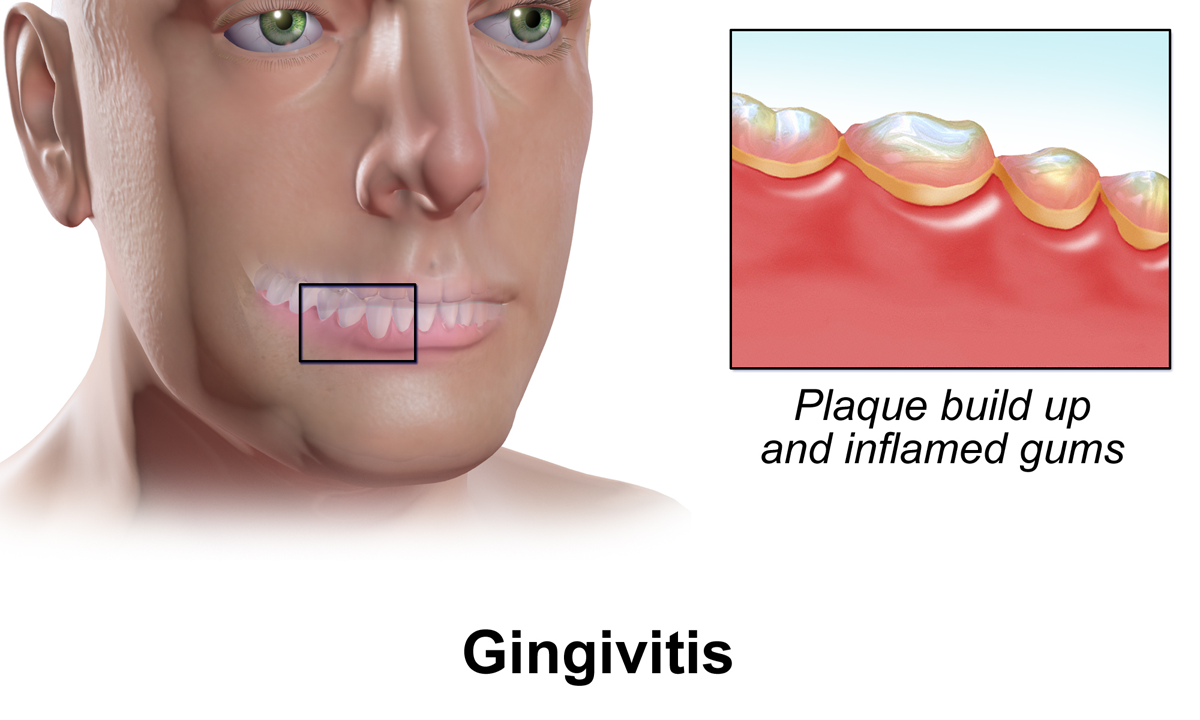
Gingivitis is gum inflammation usually caused by plaque buildup. This reversible early stage of periodontal disease produces bleeding, swelling and bad breath; proper care and professional cleaning prevent progression.
Overview
Gingivitis is the inflammation of the soft tissues that surround the teeth. In dental practice it refers specifically to inflammation of the gingiva and is often the earliest, reversible stage of periodontal disease. A concise definition and further background are available via dental references.
Image gallery
5 Images


Causes and risk factors
The most common cause is accumulation of dental plaque, a sticky film of bacteria, food particles and saliva; when plaque is not removed it can harden into calculus (tartar). Many descriptions of plaque and tartar explain how these deposits irritate gum tissue: plaque and tartar.
Other factors that increase risk include:
- Poor oral hygiene habits and irregular professional cleanings
- Tobacco use, certain medications, and hormonal changes (pregnancy, puberty)
- Systemic medical conditions such as diabetes or immune suppression; see a summary at systemic links
- Aggressive or improper brushing and flossing technique that can damage the margin of the gingiva (brushing and flossing)
Signs, symptoms and diagnosis
Typical signs include red, swollen gums that bleed easily during toothbrushing or flossing, persistent bad breath and sometimes mild tenderness. Dentists diagnose gingivitis by clinical examination: visual inspection, measurement of pocket depths, and assessment of bleeding on probing.
Treatment, prevention and prognosis
Treatment focuses on eliminating plaque and calculus. This usually combines professional cleaning (scaling and polishing) with an improved daily regimen of brushing, interdental cleaning and routine dental visits. When addressed early, gingivitis is usually reversible; without treatment it may advance to periodontitis, a more destructive disease affecting supporting bone (periodontitis).
Prevention emphasizes consistent oral hygiene, smoking cessation, management of underlying medical conditions, and periodic professional care. In some cases adjuncts such as antimicrobial mouthwashes or targeted care plans are recommended by clinicians.
Notable distinctions
Gingivitis differs from periodontitis in that it involves only soft tissue inflammation without loss of the bone that supports teeth. There are subtypes — for example, acute ulcerative forms that require urgent care — but most cases are chronic and mild if detected and managed early.
Related articles
Author
AlegsaOnline.com Gingivitis: causes, signs, prevention and treatment Leandro Alegsa
URL: https://en.alegsaonline.com/art/38894