
Goitre (thyroid enlargement)
Enlargement of the thyroid gland causing a visible neck swelling; causes include iodine deficiency, autoimmune disease, nodules, or tumours. Diagnosis, types, and treatments range from observation to surgery.
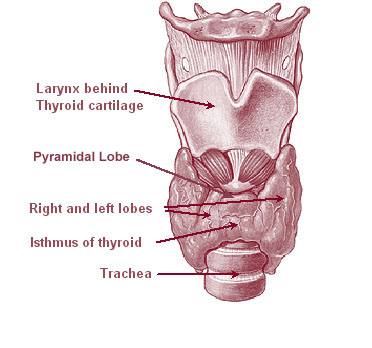
A goitre is an enlargement of the thyroid gland that produces a visible swelling in the front of the neck. The condition has been called struma in Latin and historically referred to as a bronchocele. The lump appears just below the Adam's apple near the larynx and is often the first sign noticed by patients or clinicians. In many areas, a common cause is insufficient dietary iodine, but other causes are frequent as well.
Image gallery
7 Images



What it looks like and how it behaves
Goitres range from diffuse, evenly enlarged glands to single or multiple nodules. Some remain small and painless, while larger enlargements can cause a tight feeling, cough, difficulty swallowing or breathing. The swelling itself is a swelling of thyroid tissue; the gland’s function may be normal, underactive, or overactive depending on the underlying disorder.
Causes and classification
- Endemic iodine deficiency — common historically in inland and mountainous regions.
- Autoimmune thyroid disease — for example, Hashimoto’s or Graves’ disease.
- Nodular thyroid disease — solitary or multinodular goitre; some nodules may become autonomous.
- Other causes — medication effects, inflammation, congenital conditions or tumours.
Diagnosis and investigations
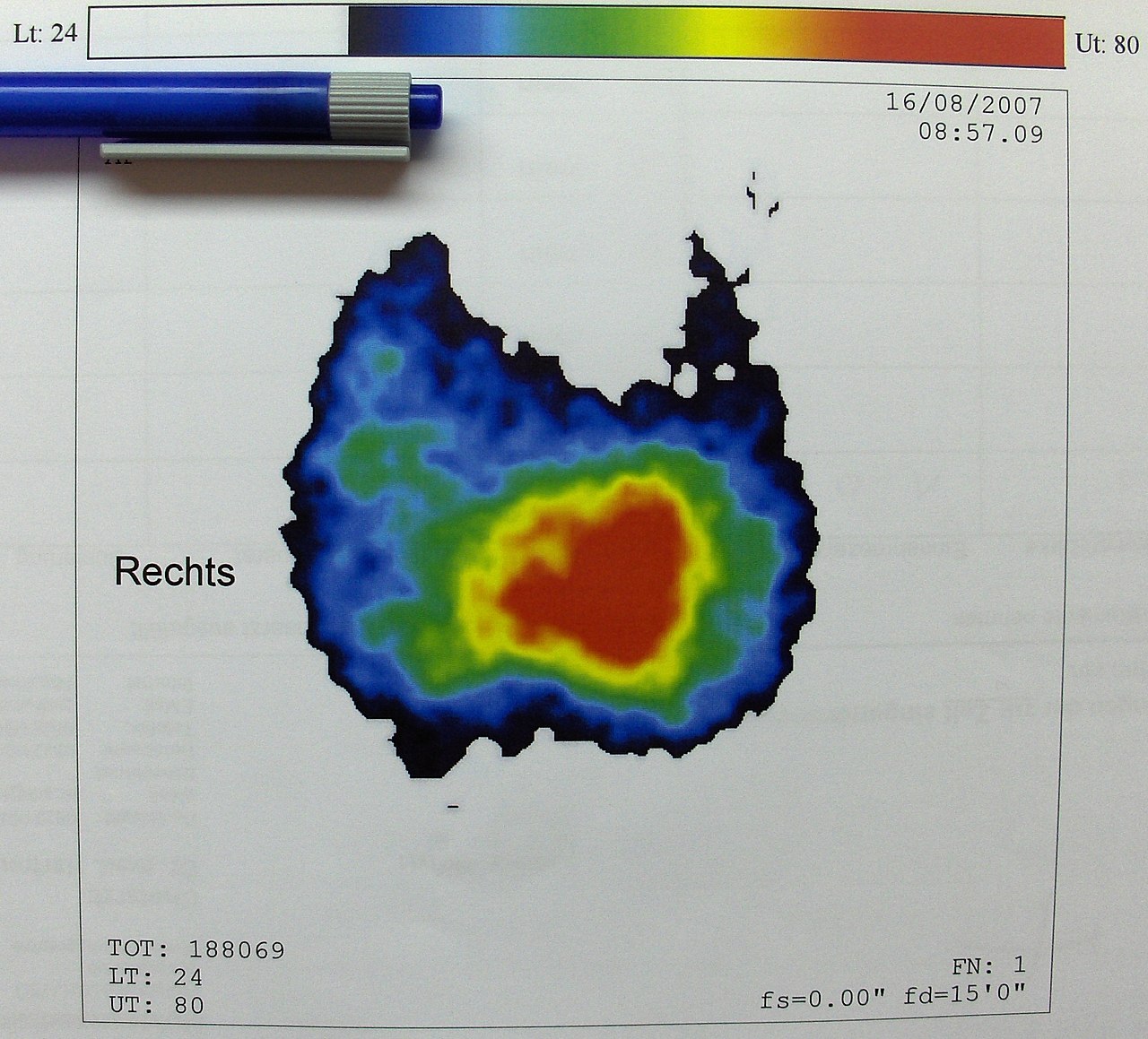
Evaluation typically includes physical examination, blood tests of thyroid function (TSH and thyroid hormones), and imaging such as ultrasound. Additional tests, including thyroid antibody assays, radioactive iodine uptake studies or fine-needle aspiration biopsy, are used when the cause is unclear or when a nodule raises concern for malignancy.
Treatment and public health
Management depends on cause and severity: mild, nonobstructive goitres may be monitored; iodine supplementation and public measures like iodized salt have reduced endemic goitre. Medical therapies include levothyroxine or antithyroid drugs, radioactive iodine for certain toxic goitres, and surgery (thyroidectomy) for compressive symptoms, cosmetic reasons or suspected cancer.
Historically significant and still relevant in some regions, goitre is both a clinical sign and a public-health indicator. Prompt assessment distinguishes benign, treatable enlargement from conditions requiring more urgent intervention.
Questions and answers
Q: What is a goitre?
A: A goitre is a swelling that occurs in the neck just below the Adam's apple or larynx.
Q: What is another name for goitre?
A: Goitre is also called bronchocele.
Q: What causes goitre?
A: Goitre is caused when the thyroid gland gets larger, usually due to the body not getting enough iodine.
Q: Where in the neck does goitre occur?
A: Goitre occurs in the neck, just below the Adam's apple or larynx.
Q: What is the Latin term for goitre or swelling in the neck?
A: The Latin term for goitre or swelling in the neck is struma.
Q: Is a goitre a serious medical condition?
A: In most cases, goitre is not a serious medical condition, but it can sometimes cause discomfort or difficulty swallowing.
Q: What can cause the body to not get enough iodine and lead to goitre?
A: A diet low in iodine can cause the body to not get enough iodine and lead to goitre.
Related articles
Author
AlegsaOnline.com Goitre (thyroid enlargement) Leandro Alegsa
URL: https://en.alegsaonline.com/art/39443
Sources
- doctorzebra.com : The Health and Medical History of President George Bush