
Glaucoma: causes, types, diagnosis and treatment
Glaucoma is a group of eye conditions that damage the optic nerve, often linked to raised intraocular pressure. Early detection and pressure-lowering treatments can slow progression but lost vision is usually irreversible.
Overview
Glaucoma describes a group of progressive eye disorders that damage the optic nerve and can lead to permanent vision loss. In many forms the damage is associated with elevated pressure inside the eye, though some people develop optic nerve injury despite normal pressure readings. Because early stages are often painless and symptomless, glaucoma may advance unnoticed unless detected during an eye examination. Regular checks are recommended for people with risk factors.
Image gallery
10 Images




Signs and symptoms
Symptoms depend on the type and stage. Chronic forms typically erode peripheral (side) vision first and progress slowly, so patients may not notice changes until advanced loss occurs. Acute or angle-closure glaucoma presents suddenly with severe eye pain, headache, blurred vision, colored halos around lights, nausea, and a red eye — a medical emergency that requires immediate care.
Causes and pathophysiology
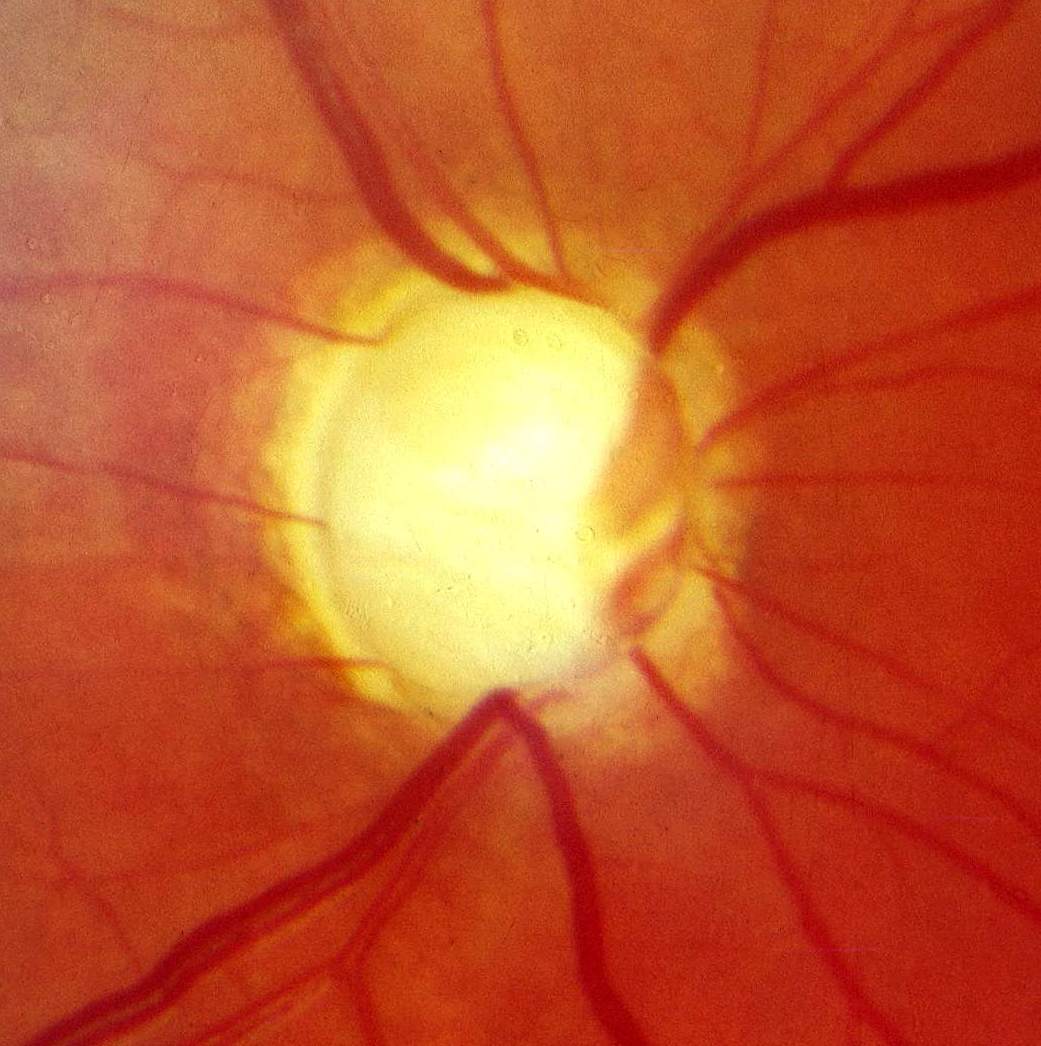
Normal eye function depends on a balance between production and drainage of aqueous fluid. When drainage is reduced or fluid production increases, intraocular pressure can rise and compress the optic nerve fibers at the optic disc. This leads to characteristic optic nerve cupping and loss of retinal ganglion cells. Other mechanisms include vascular insufficiency, genetic susceptibilities, inflammation, trauma, or secondary causes such as steroid use.
Diagnosis
Comprehensive eye exams combine several tests to evaluate structure and function:
- Tonometry to measure eye pressure.
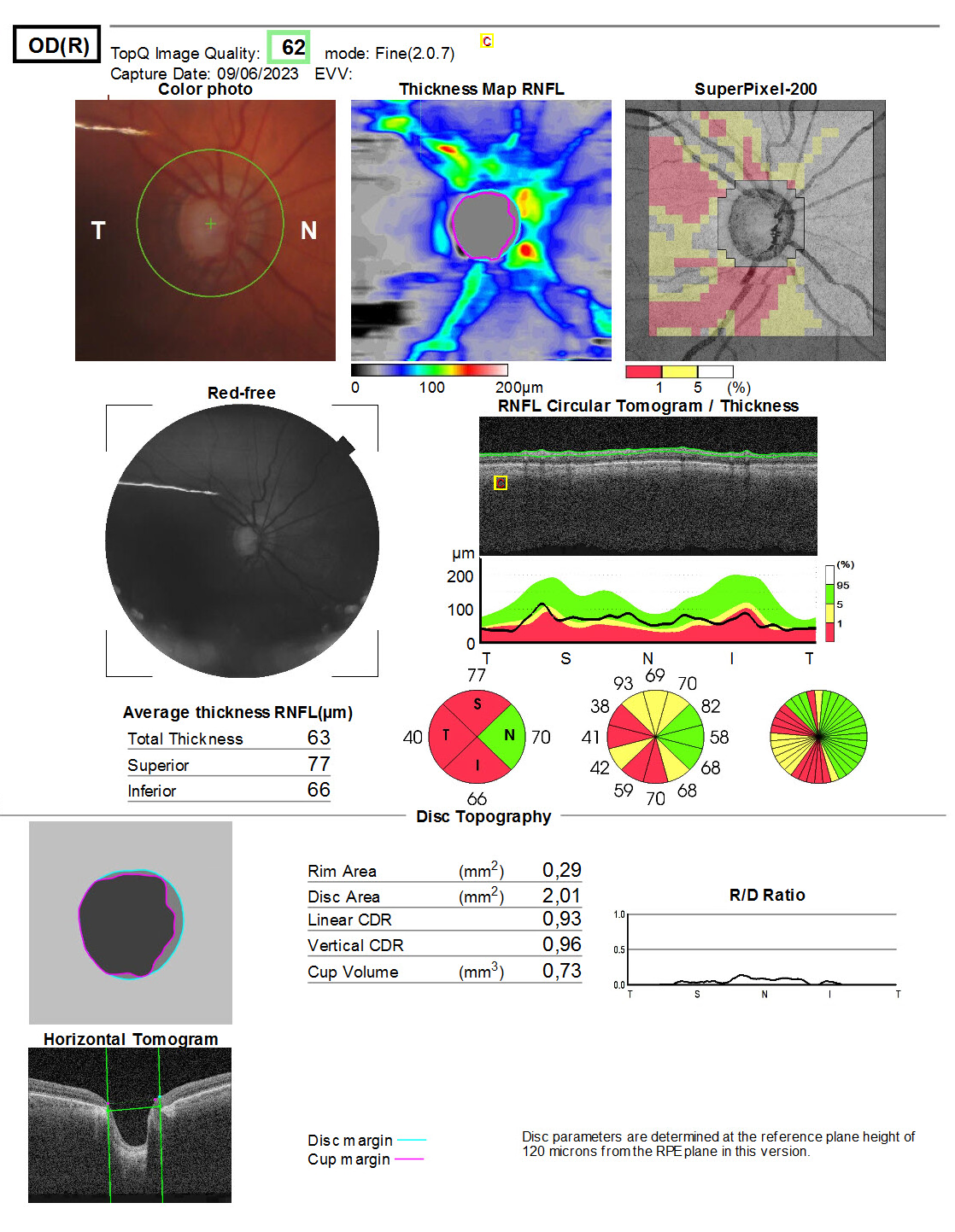
- Ophthalmoscopy to inspect the optic nerve head and detect cupping (optic nerve evaluation).
- Visual field testing to map peripheral vision loss.
- Optical coherence tomography (OCT) to image nerve fiber layers.
Treatment and management
There is no cure that restores lost optic nerve tissue; treatment aims to preserve remaining vision by lowering eye pressure and addressing contributing factors. Options include:
- Topical medications (prostaglandin analogs, beta blockers, carbonic anhydrase inhibitors, alpha agonists) or systemic drugs to reduce fluid production or increase outflow.
- Laser procedures such as trabeculoplasty for open-angle glaucoma or iridotomy for angle closure.
- Surgical procedures (trabeculectomy, tube shunts) and newer minimally invasive glaucoma surgeries (MIGS) for resistant cases.
- Lifelong monitoring and adherence to therapy to slow progression.
Types, risk factors and public health
Major categories include primary open-angle glaucoma (the most common, slow and often asymptomatic), primary angle-closure glaucoma (can be acute), normal-tension glaucoma (optic nerve damage at normal pressures), secondary glaucoma (following injury, inflammation, or medication use), and congenital glaucoma in infants. Risk is increased by older age, family history, certain ethnic backgrounds, myopia, diabetes, and prior steroid use. Globally, glaucoma is a leading cause of irreversible blindness; early detection through screening of at-risk groups and prompt treatment reduce the burden of vision loss.
For introductory resources and clinical guidance, see general overviews of glaucoma and professional recommendations on screening and management.
Questions and answers
Q: What is glaucoma?
A: Glaucoma is a disease that causes damage to the eye due to increased pressure causing damage to the optic nerve which can cause loss of vision and may be painful.
Q: What happens if a person with glaucoma does not get help?
A: If a person with glaucoma does not get help from a doctor, they will not be able to see.
Q: Can a person with glaucoma recover their vision after it is lost?
A: No, when a person loses their vision due to glaucoma, it cannot be recovered.
Q: What are the two kinds of glaucoma?
A: The two kinds of glaucoma are the kind that happens very fast and the kind that happens slowly over a long time.
Q: Why is it hard for some people to know that they have glaucoma?
A: It can be hard for some people to know that they have glaucoma because the vision can be lost very slowly.
Q: What is the second most common cause of blindness in the world?
A: Glaucoma is the second most common cause of blindness in the world.
Q: What causes damage to the optic nerve in glaucoma?
A: Increased pressure in the eye causes damage to the optic nerve in glaucoma.
Related articles
Author
AlegsaOnline.com Glaucoma: causes, types, diagnosis and treatment Leandro Alegsa
URL: https://en.alegsaonline.com/art/39139
Sources
- ncbi.nlm.nih.gov : ncbi.nlm.nih.gov/pubmed/12609093
- nejm.org : nejm.org/doi/full/10.1056/NEJM199111143252004