
Gonorrhea — infection caused by Neisseria gonorrhoeae
Gonorrhea is a common sexually transmitted bacterial infection caused by Neisseria gonorrhoeae. It often causes urogenital symptoms, can be asymptomatic, and requires prompt diagnosis and antibiotic treatment.
Gonorrhea is a sexually transmitted bacterial infection most often caused by the species Neisseria gonorrhoeae. It affects mucous membranes of the urogenital tract, rectum, pharynx and eyes. Because many infections produce few or no symptoms—particularly in women—undetected gonorrhea can spread widely and lead to serious complications if untreated. For general information see resources on sexually transmitted infections.
Image gallery
7 Images
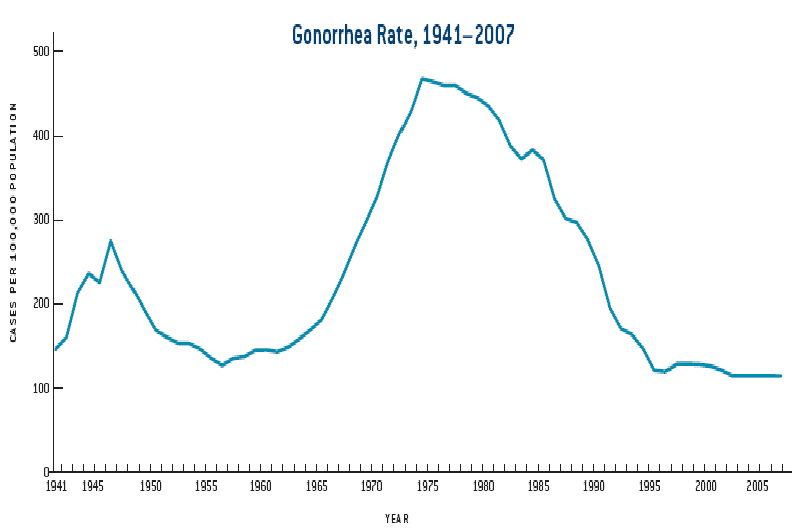



Causes and characteristics
Neisseria gonorrhoeae is a gram-negative diplococcus that colonizes mucosal surfaces. The bacterium attaches to cells, multiplies locally and triggers inflammation. In men it frequently causes urethritis with discharge; in women it commonly infects the cervix and may be mistaken for other pelvic conditions. Extragenital infections—anal and pharyngeal—occur after receptive sex and are often overlooked.
Symptoms, complications and special risks
- Common symptoms: painful urination, abnormal genital discharge, anal pain or discharge, sore throat (when pharyngeal).
- Asymptomatic infection: a substantial share of cases, especially in women, produce no noticeable signs.
- Complications: pelvic inflammatory disease, infertility, increased risk of ectopic pregnancy, and disseminated gonococcal infection that can cause arthritis or skin lesions.
- Neonatal risk: exposure during birth can lead to eye infections in newborns.
Transmission, prevention and screening
Gonorrhea spreads primarily through unprotected sexual contact—vaginal, anal or oral. Preventive steps include consistent condom use, routine screening of sexually active people and prompt treatment of partners. Public health measures such as partner notification and targeted screening reduce transmission. For guidance on prevention programs and testing policies, consult public health resources.
Diagnosis and treatment
Diagnosis is commonly made by nucleic acid amplification tests (NAATs) on urine or swabs; cultures remain important for detecting antibiotic resistance. Gonorrhea is treatable with antibiotics, but rising antimicrobial resistance is a major global concern and complicates therapy choices. Clinicians follow current treatment recommendations from health authorities; patients must complete prescribed regimens and ensure sexual partners are evaluated.
History and name
Descriptions of gonorrhea-like illnesses date back centuries. The familiar English slang "the clap" has uncertain origins; one hypothesis links it to French place names associated with brothels, another to an antiquated treatment technique. The disease has been a public health focus for generations because of its prevalence and potential for complications. For a concise overview and further reading see additional references.
Awareness, accessible testing and appropriate antibiotic stewardship are central to controlling gonorrhea today. Ongoing surveillance and research aim to curb resistant strains and protect reproductive and neonatal health.
Related articles
Author
AlegsaOnline.com Gonorrhea — infection caused by Neisseria gonorrhoeae Leandro Alegsa
URL: https://en.alegsaonline.com/art/39608
Sources
- doi.org : 10.3389/fmicb.2015.01190
- worldcat.org : 1664-302X