
Gigantopithecus
Extinct genus of very large Asian apes known chiefly from jaws and teeth. Lived in the Pleistocene; likely a forest-dwelling herbivore. Size, behavior, and relationships are inferred and remain debated.
Overview
Gigantopithecus is an extinct genus of large apes that lived in parts of Asia during the late Pliocene into the Pleistocene. The genus is known almost exclusively from isolated teeth and mandible fragments recovered from cave deposits and sediments. Because of this limited record, reconstructions of its appearance, size, locomotion and ecology rely heavily on dental anatomy, comparisons with living primates, and study of the sites where its remains are found. The time frame of its known occurrences corresponds broadly with the Pleistocene epoch, a period of repeated climatic change and faunal turnover on Earth.
Image gallery
10 Images
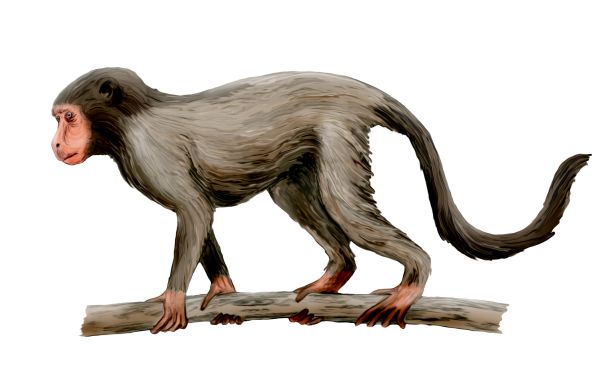


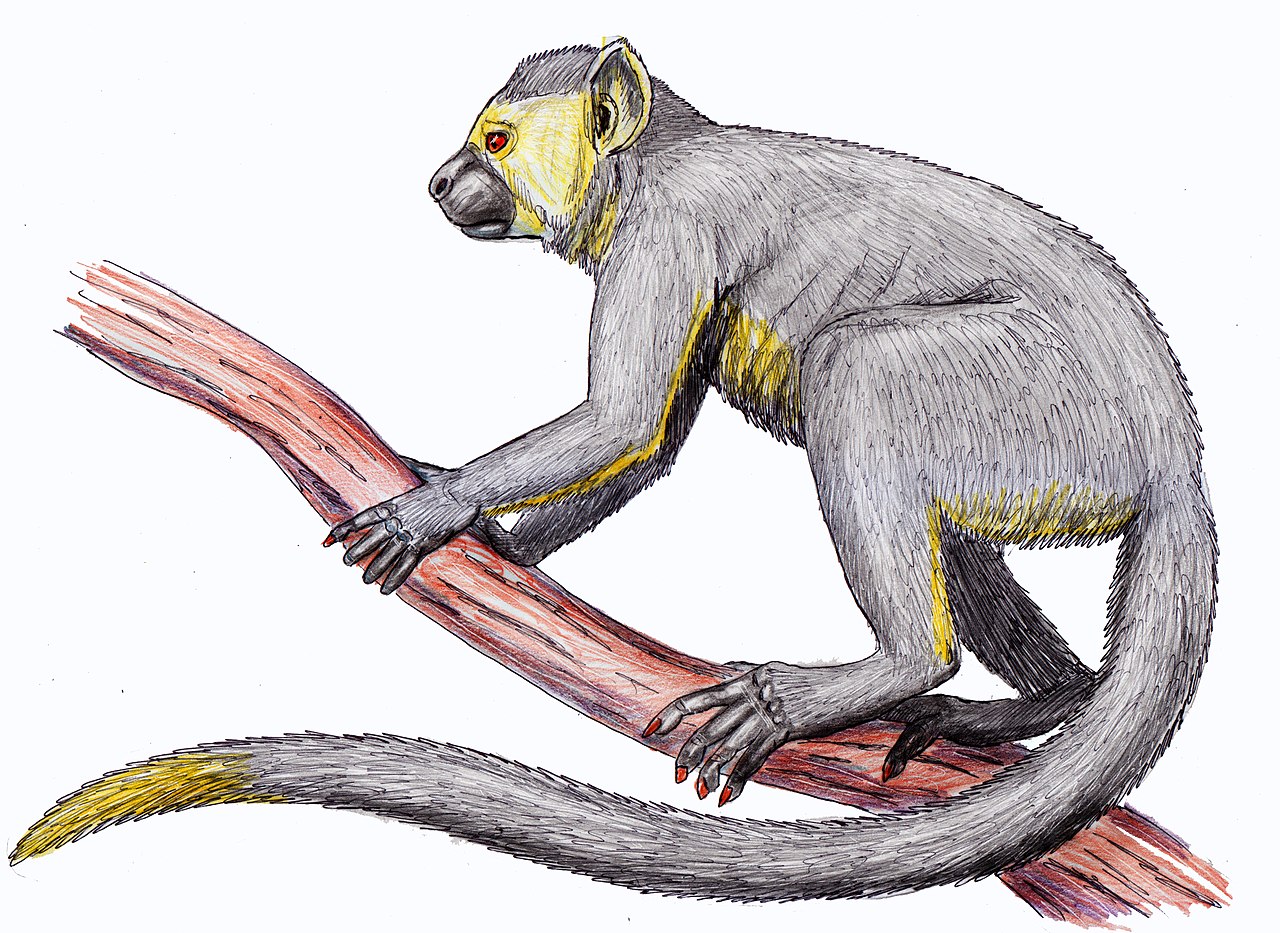


Discovery and fossil record
Fossils attributed to Gigantopithecus were first identified from cave deposits in southern China and later in other parts of mainland Southeast Asia. Most specimens are large lower jaws and molar teeth, which preserve details of enamel thickness and wear. The fragmentary nature of the material means that many aspects of its anatomy remain unknown; no complete skull or postcranial skeleton has been confidently associated with the genus. Key fossil localities are concentrated in regions that are today part of southern China and extend into Indochina, reflecting a once broader distribution across mainland Southeast Asia.
Anatomy and size estimates
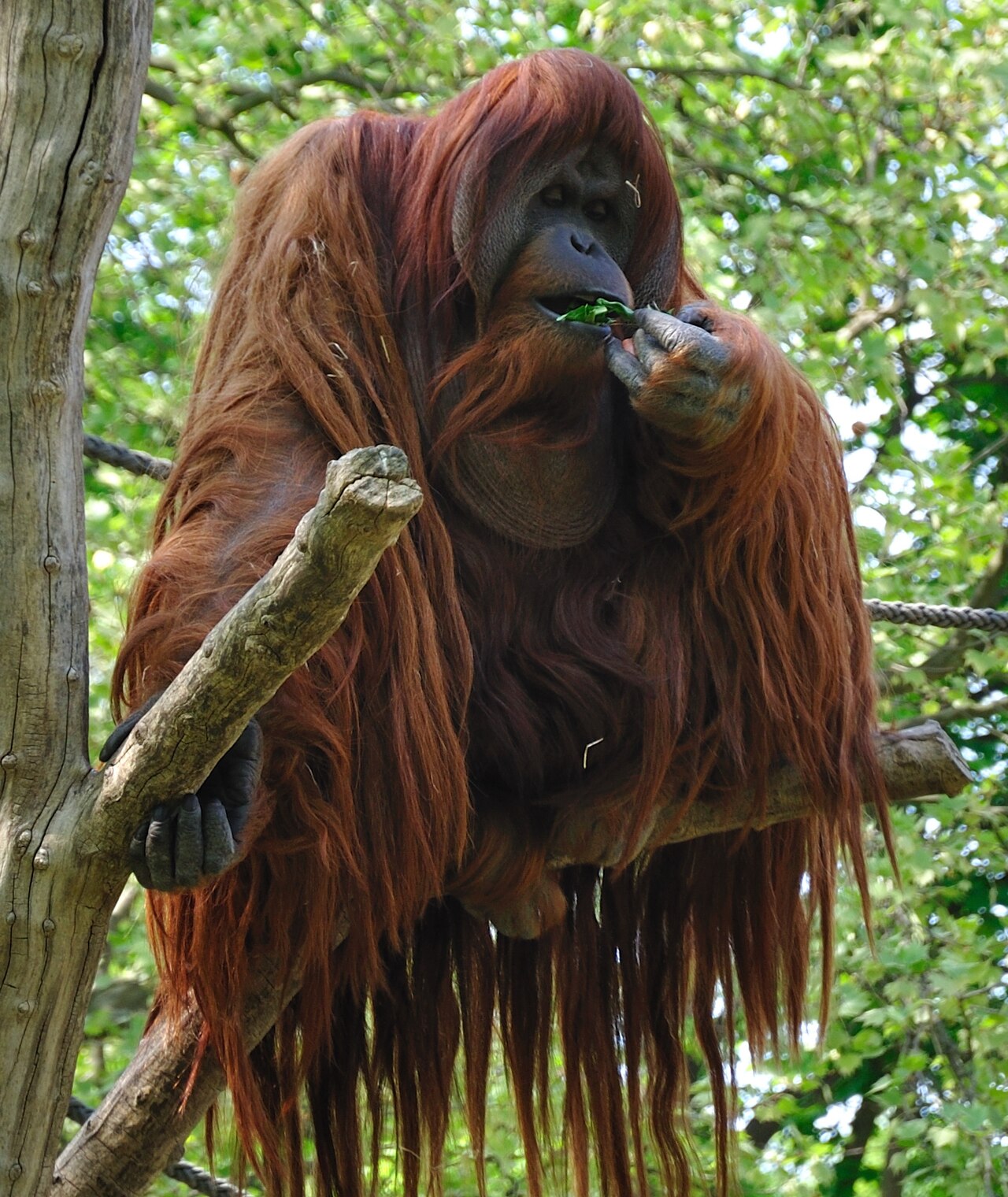
Because only jaws and teeth are well documented, size estimates for Gigantopithecus vary. Some researchers have suggested that it could attain very large dimensions—potentially comparable in height to a tall standing ape—while more conservative assessments place it within the upper range of modern great apes. Estimates often emphasize uncertainty: body mass and posture must be extrapolated from dental and mandibular size using comparisons with living species. Such comparisons typically use orangutans or gorillas as reference points; for scale, living gorillas are commonly referenced, though direct equivalence is not assumed.
Teeth, diet and feeding behavior
The robust teeth and heavy enamel of Gigantopithecus indicate adaptation to processing tough, fibrous plant material. Microscopic wear and chemical analyses of tooth enamel performed on available specimens have been interpreted to show a diet dominated by vegetation—possibly including bamboo, roots, seeds and other coarse plant parts—rather than primarily fruit or animal matter. Such a diet would have suited life in dense forest or woodland habitats where fibrous resources were abundant.
Habitat and ecology
Evidence from associated faunal remains and sedimentary contexts suggests that Gigantopithecus occupied forested environments, including lowland and seasonal forests. Its presumed lifestyle was that of a large-bodied, primarily herbivorous ape that fed at low to mid canopy levels and in understory vegetation. As a large consumer of plant material, it may have played roles in seed dispersal and in shaping local vegetation structure, though detailed ecological interactions are speculative without fuller skeletal evidence.
Taxonomy and evolutionary relationships
The taxonomic position of Gigantopithecus has been debated. Many researchers place it in a group related to orangutans based on dental characteristics, while others regard its relationships as uncertain because of the fragmentary fossil record. Molecular data cannot be obtained from the available specimens, so hypotheses about its evolutionary affinities rely on comparative anatomy and the broader fossil record of Asian apes.
Causes of extinction
Its disappearance is commonly linked to environmental change during the late Pleistocene, when climatic cooling and drying reduced the extent of dense forests preferred by forest-adapted herbivores. Changes in plant communities, competition with other herbivores, and possible interactions with early hominins have been proposed as contributing factors. Because the record is incomplete, any single cause remains uncertain and likely involved multiple interacting pressures.
Cultural impact and research
Gigantopithecus has captured public imagination and been associated in popular culture with legends of giant apes, but there is no scientific evidence linking the genus to modern folklore about large bipedal creatures. Scientific interest continues, with paleontologists seeking additional fossils to clarify its anatomy, life history and place in primate evolution. Ongoing study draws on comparative work among living primates, paleoenvironmental reconstructions of the Pleistocene, and faunal surveys across Earth regions where its remains are found.
- Geographic context: fossil finds are concentrated in southern China and parts of Indochina within mainland Southeast Asia.
- Comparative scale: reconstructions often use modern apes such as gorillas for comparison, but direct size equivalence is uncertain.
- Research priorities: discovery of more complete cranial or postcranial material would greatly improve knowledge of locomotion, social behavior and precise dietary adaptations.
For introductory summaries and updates consult general resources on primates and the Pleistocene, as well as regional paleontological reports describing fossil faunas from southern China and Indochina. Museum pages and peer-reviewed summaries provide the best accessible syntheses of current knowledge and uncertainties about this distinctive extinct ape.
Related articles
Author
AlegsaOnline.com Gigantopithecus Leandro Alegsa
URL: https://en.alegsaonline.com/art/38776
Sources
- dailynews.mcmaster.ca : "Giant Ape lived alongside humans"
- worldcat.org : 0028-0712
- wynja.com : Selected Readings in Physical Anthropology