
Giannutri
Giannutri is a small crescent-shaped island off southern Tuscany in the Mediterranean, the southernmost isle of the Tuscan Archipelago, noted for Roman villa ruins, clear waters, Posidonia meadows and protected status.
Overview
Giannutri is a small island in the Mediterranean Sea, located off the coast of Tuscany in Italy. As the southernmost land of the Tuscan Archipelago, the island is valued for its relatively undeveloped shorelines, transparent waters and compact, often crescent-shaped silhouette that gives a strong sense of isolation compared with larger, more developed islands.
Image gallery
8 Images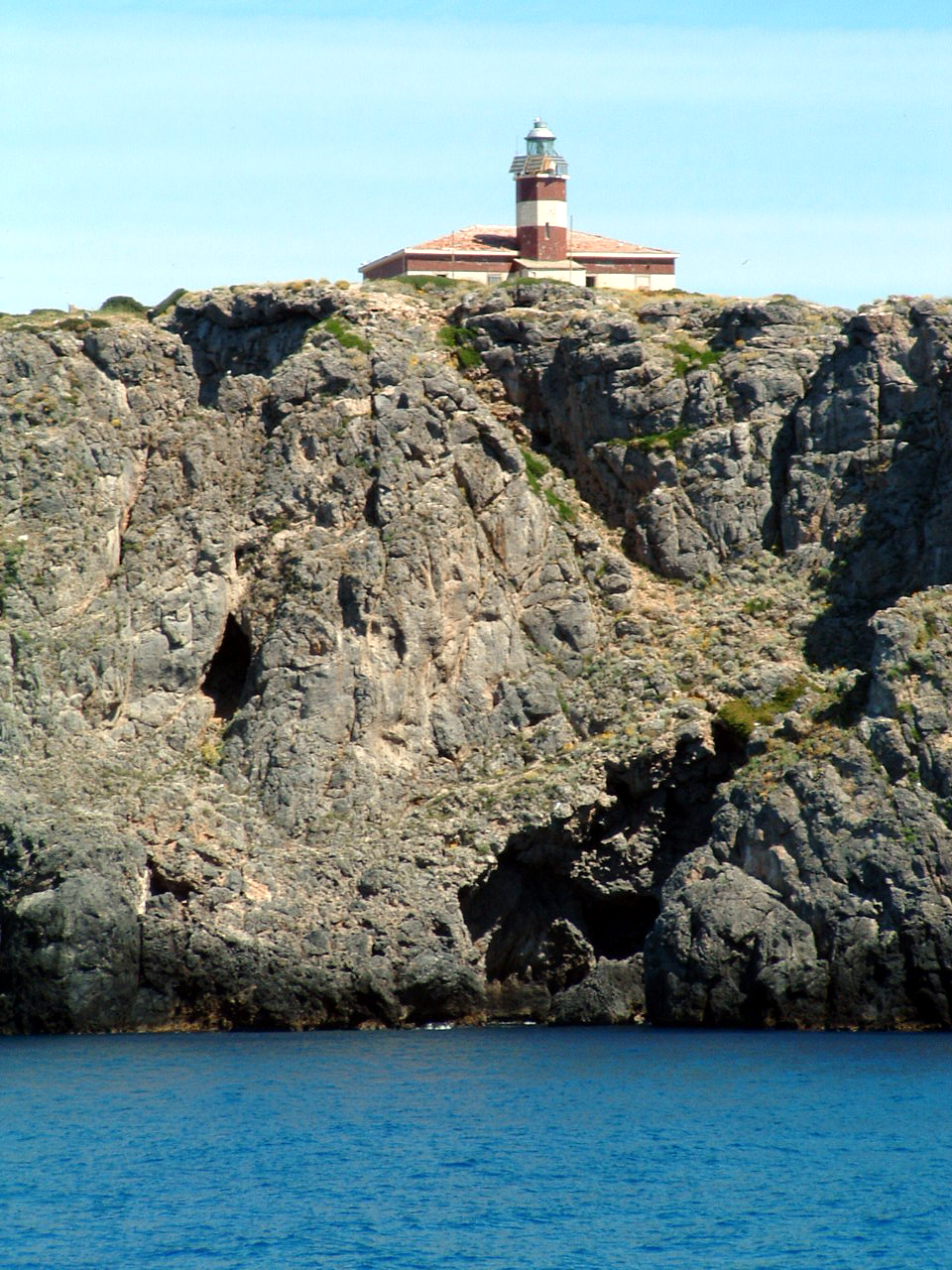




Geography and environment
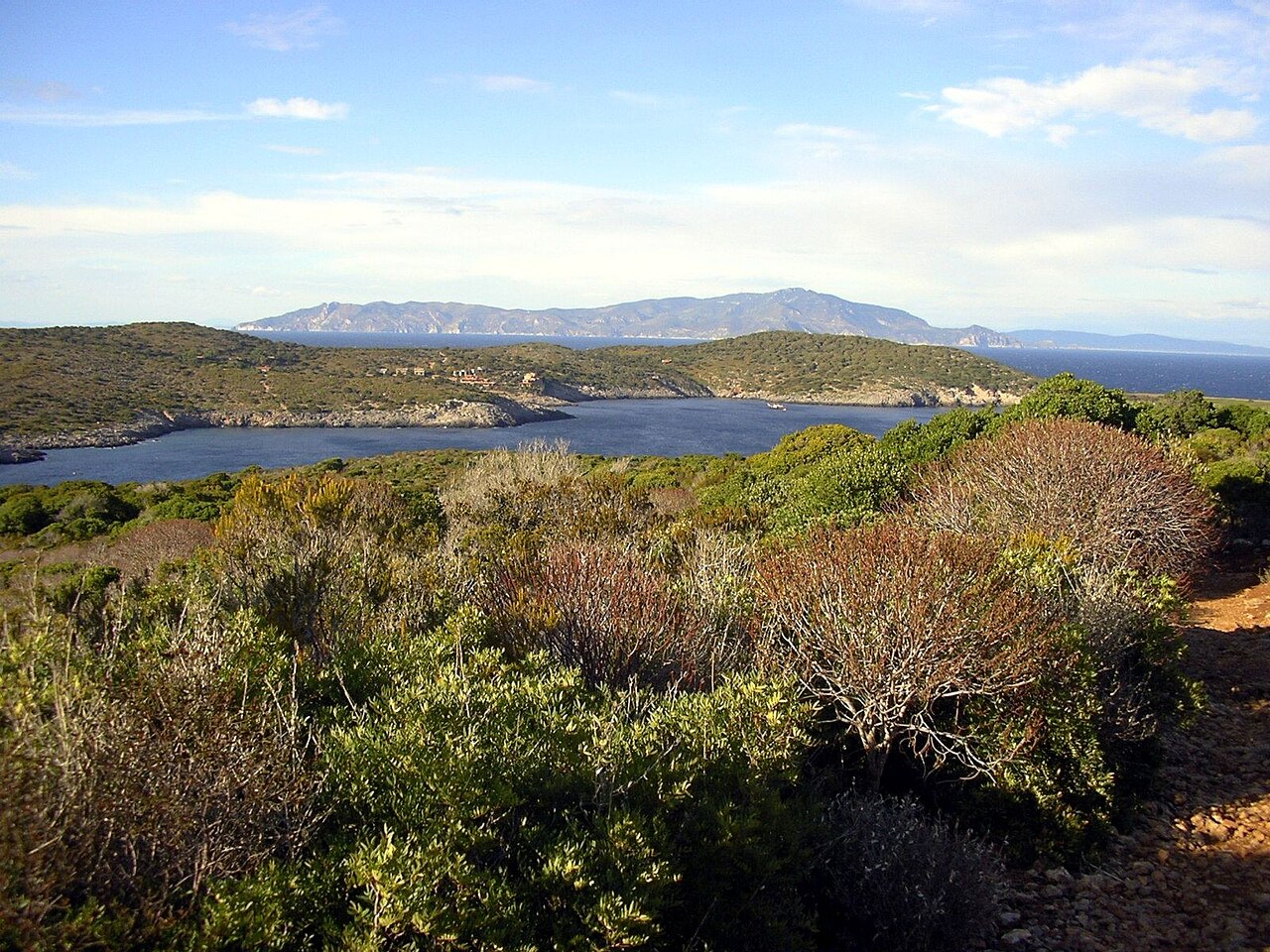
Giannutri's coastline is a mix of rocky cliffs, small coves and a few sandy or shingle beaches. Inland vegetation is typical Mediterranean maquis and garrigue, with aromatic shrubs and hardy scrub adapted to dry summers. The surrounding seabed supports beds of Posidonia seagrass and a variety of fish and invertebrates; these marine habitats are important for biodiversity and for recreational diving and snorkelling.
History and archaeology
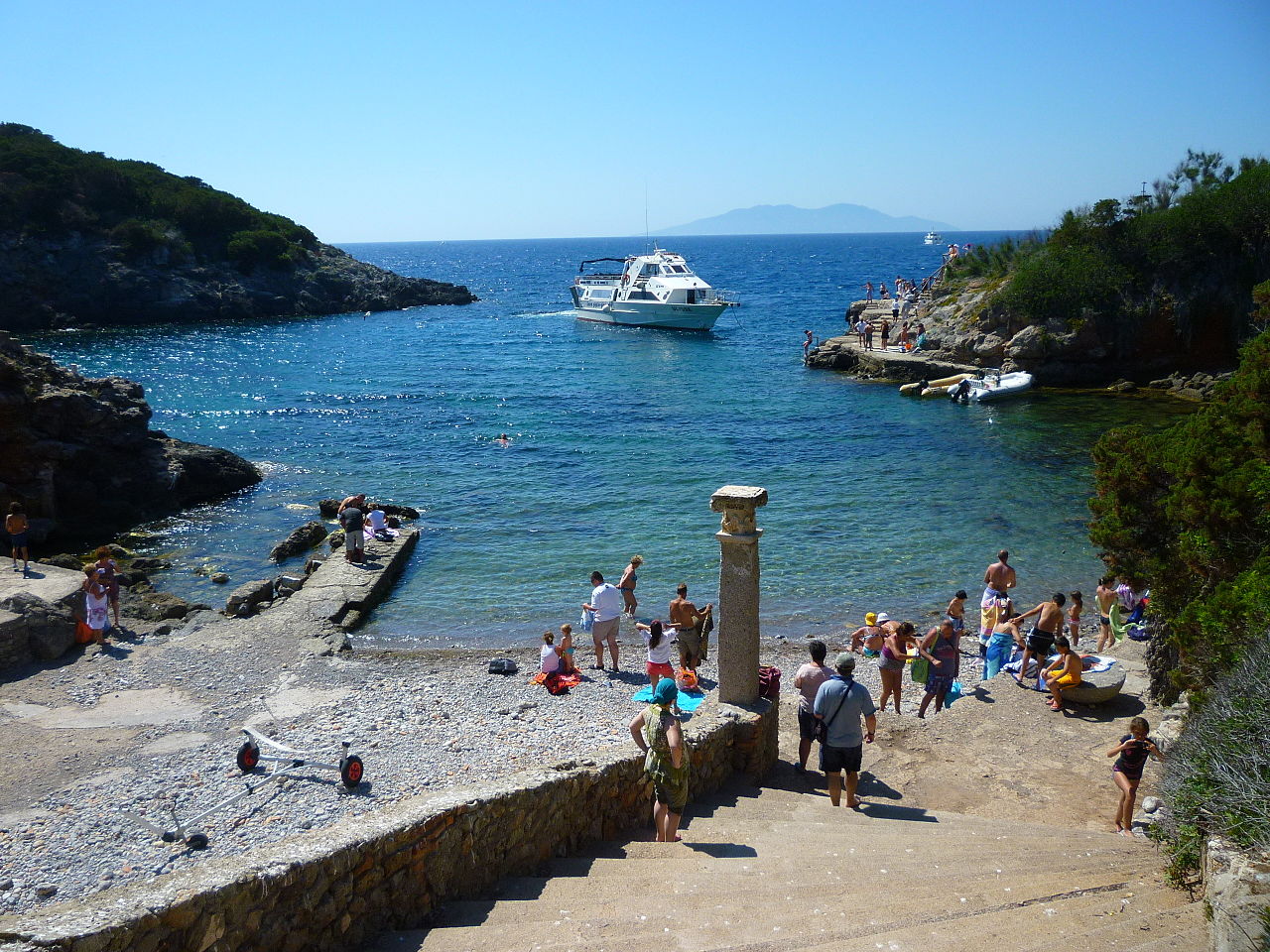
The island has a long human history, with traces from antiquity through later centuries. The best-known archaeological ensemble is the Roman seaside complex commonly called Villa Domizia. This Roman-era villa and its maritime installations include terraces, cisterns and quay remains that reflect the site's use as a coastal residence and a point of landing in antiquity. Other stone remains and later features document intermittent use in medieval and modern times.
Visiting and attractions
Access is by boat from mainland ports and from other islands in the archipelago; there is no regular road connection. Visitors find walking paths, viewpoints, beaches and sheltered anchorages for small craft. Principal attractions are the archaeological villa complex, opportunities for underwater exploration of seagrass meadows and rocky reefs, and quiet coastal scenery. Facilities on the island are limited and seasonal, so visitors should plan accordingly and follow local guidance.
Conservation and management
Giannutri lies within the broader protected area that covers much of the Tuscan Archipelago and its maritime zone, with measures aimed at preserving land and sea ecosystems. Restrictions on development, controls on mooring and regulated visitor access help protect archaeological features, nesting seabirds and marine habitats. Scientific monitoring and low-impact tourism are encouraged to maintain ecological and historical values.
Notes
Although compact, Giannutri offers a concentrated example of Mediterranean island character: a blend of ancient human presence, distinctive coastal ecology and a protected status that together shape how the island is used and experienced today. Its Roman remains are often cited alongside natural features when describing the island's appeal to visitors and researchers alike. For broader context see entries on the Roman world and on the Mediterranean Sea region.
Related articles
Author
AlegsaOnline.com Giannutri Leandro Alegsa
URL: https://en.alegsaonline.com/art/38702