
Gilbert and Ellice Islands: history, geography, and legacy
Former British territory in the central Pacific, divided in the 1970s into the independent states of Kiribati (Gilbert Islands) and Tuvalu (Ellice Islands). Overview, colonial history, and legacy.
Overview
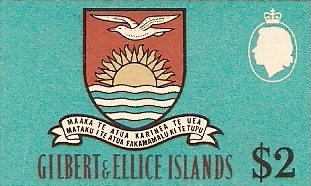
The Gilbert and Ellice Islands was a single British-administered territory in the central Pacific that combined two culturally distinct island groups. It existed under British protection from the late 19th century and was governed as a colony in the 20th century. The combined administration was later dissolved and the island groups became separate colonies and then independent nations: the Gilbert Islands forming part of Kiribati and the Ellice Islands becoming Tuvalu. The name of the territory recalls European figures associated with early charting and colonial interests.
Image gallery
10 Images




Geography and peoples
The territory comprised two collections of low-lying coral atolls and reef islands separated by hundreds of miles of open ocean. The Gilbert group consists of tightly spaced atolls and was the larger population center; the Ellice group lies to the southeast and is culturally Polynesian, whereas the Gilbert population is generally classified as Micronesian. Life on the islands traditionally centered on small-scale subsistence agriculture, fishing and copra production, and communities developed distinct languages and customs over centuries.
Colonial era and administration
European contact accelerated in the 19th century, and the groups came under British influence before formal administration was established. The islands were a British protectorate from the 1890s and later administered as a single colony. The colonial administration organized local government, missionary activity, labor licensing and limited economic development. During the Second World War parts of the territory saw military action and occupation by Japanese and Allied forces, most notably fighting in the Gilbert Islands during 1943.
Path to separation and independence
During the decolonization period of the 1960s and 1970s rising local political organization and the recognition of cultural differences led to a decision to separate the two island groups administratively. A referendum and subsequent arrangements created distinct colonial units at the start of 1976. The Ellice Islands moved toward self-government and full independence as Tuvalu in 1978, while the Gilbert Islands later formed the independent republic of Kiribati in 1979. These events concluded the formal existence of the combined colonial entity.
Legacy and contemporary significance
The former Gilbert and Ellice administration is important for understanding the modern identities and political boundaries of Kiribati and Tuvalu. Both nations are small island states with economies that still rely heavily on marine resources, remittances, and limited tourism. They also face shared challenges, including vulnerability to sea level rise and climate change. Historical episodes, such as wartime battles and the colonial period, remain part of regional memory and scholarship.
Further reading and references
- Overview of colonial status: British protectorate and later protectorate arrangements.
- Formal colonial designation and administration: colony records and governance.
- Geographical description: the two groups of islands in the Pacific Ocean.
- The larger constituent parts: the Gilbert Islands and their role within Kiribati.
- The Ellice group and modern statehood as Tuvalu.
Related articles
Author
AlegsaOnline.com Gilbert and Ellice Islands: history, geography, and legacy Leandro Alegsa
URL: https://en.alegsaonline.com/art/38803